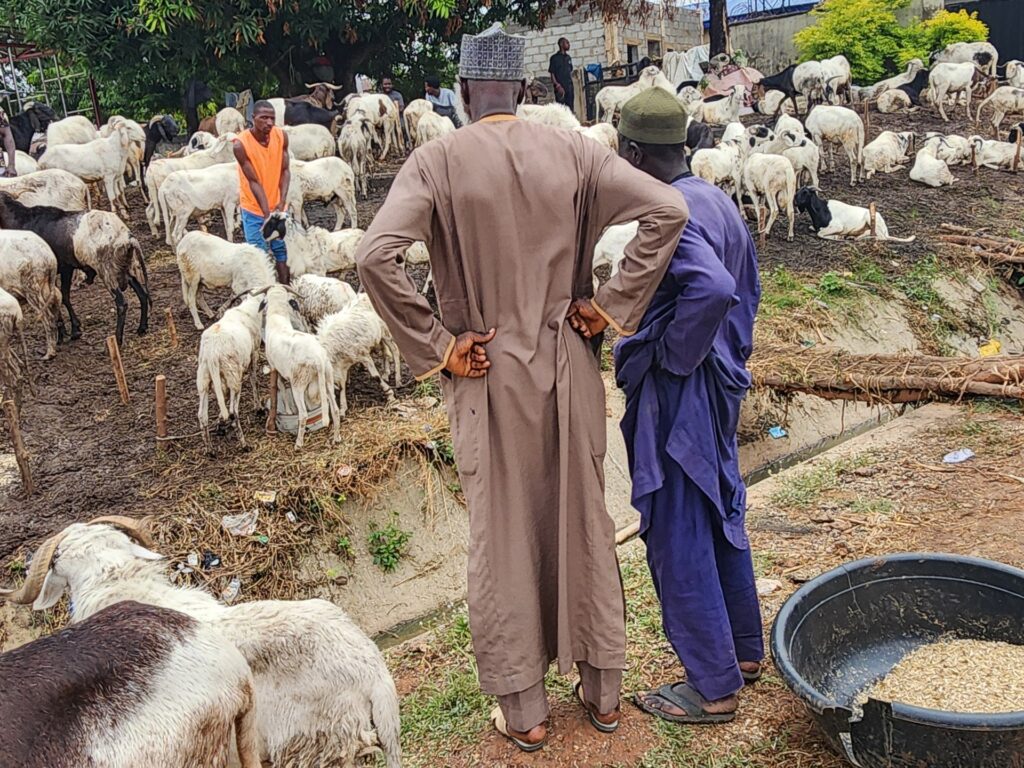
In Nigeria, the ongoing cost of living crisis is significantly reshaping how families prepare for and celebrate Eid, one of the most important religious festivals for Muslims. With soaring prices on basic goods and services, many households are compelled to adjust their spending habits and cut back on traditional festivities.
Eid, which marks the end of Ramadan, is typically characterized by lavish meals, new clothing, gifts, and community gatherings. However, this year, the financial reality facing many Nigerians is leading to more restrained celebrations. Essential food items such as meat, rice, and cooking oil have become increasingly expensive, forcing families to reconsider their menus and reduce quantities.
Clothing and gift purchases, which usually form a significant part of Eid spending, are also being scaled back. Many families are prioritizing the essentials, buying fewer new clothes or opting for more affordable options and foregoing non-essential gifts.
This change is also impacting the local economy. Small businesses that rely on Eid sales—such as tailors, food vendors, and market traders—are experiencing reduced demand, which may have longer-term effects on livelihoods in those communities.
Despite financial constraints, the spirit of Eid remains strong. Families are finding ways to celebrate within their means, emphasizing the religious and communal aspects of the holiday rather than lavish spending. Community support and solidarity remain vital as many Nigerians navigate these tough economic times.
Economic analysts warn that unless inflation and high living costs are addressed, such shifts in consumer behavior could persist, potentially altering cultural practices long term. Policymakers face pressure to implement measures that can ease the burden on ordinary Nigerians and help restore the ability of households to partake in cultural and religious festivities without undue hardship.
In conclusion, the cost of living crisis in Nigeria is having a profound impact on how Eid is celebrated. While families adapt to financial pressures by cutting back on spending, the underlying cultural and religious significance of the festival continues to hold strong. The resilience and adaptability of Nigerian families highlight their determination to preserve tradition despite economic challenges.