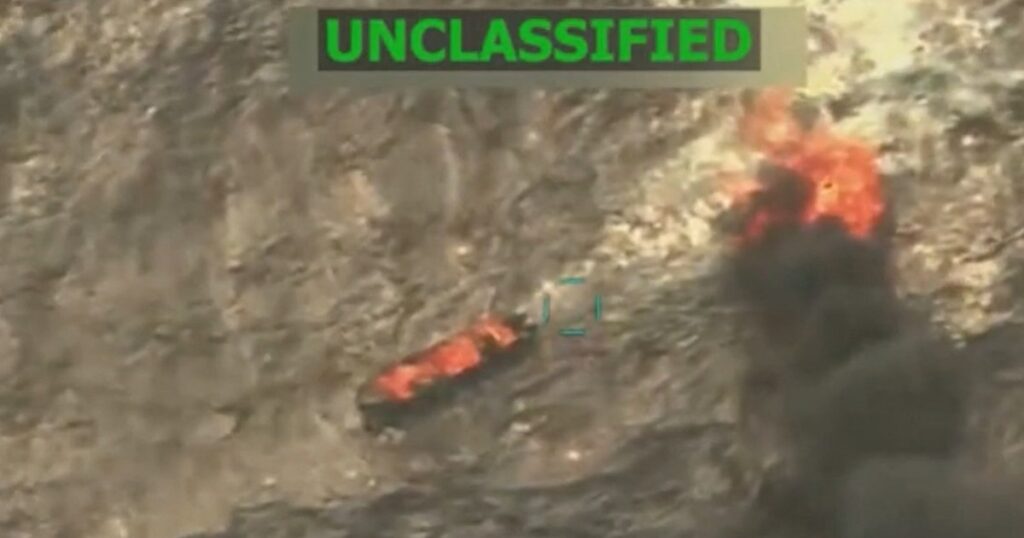
The United States government has officially confirmed that a total of 157 individuals were killed in a series of maritime strikes targeting alleged drug-trafficking vessels. These operations, which have been conducted as part of an ongoing campaign against drug trafficking, have reportedly struck 47 vessels identified by U.S. defense officials.
A defense official recently testified before Congress, revealing details about the campaign’s scope and outcomes. According to the official, these maritime strikes are designed to disrupt and dismantle narcotics transportation networks by targeting boats suspected of carrying illegal drugs.
However, this campaign has attracted considerable scrutiny and criticism from experts and human rights advocates. Many have described the strikes as ‘extrajudicial,’ pointing out concerns regarding the legality and morality of using lethal force without due process or judicial oversight. The term ‘extrajudicial’ refers to actions taken outside the bounds of the law, often without adequate accountability.
Critics argue that such operations risk civilian casualties and may violate international law, particularly maritime laws and human rights conventions. The lack of transparency surrounding these strikes and the criteria used to identify vessels as targets have further intensified these concerns.
Supporters of the campaign assert that these operations are necessary measures to combat powerful and well-funded drug trafficking organizations that operate on international waters. By disabling vessels suspected of transporting narcotics, U.S. authorities aim to reduce the flow of illegal drugs into countries, ultimately enhancing public safety.
The debate highlights the difficult balance between national security interests and adherence to international standards of justice and human rights. As the campaign continues, calls for greater oversight, clearer legal frameworks, and comprehensive investigations into each strike have grown louder.
The U.S. government has indicated it will review the outcomes of the campaign to ensure that operations align with both strategic objectives and legal obligations. Meanwhile, the international community watches closely, as the implications of these maritime strikes extend beyond immediate drug enforcement goals to broader questions about the use of force in combatting transnational crime.