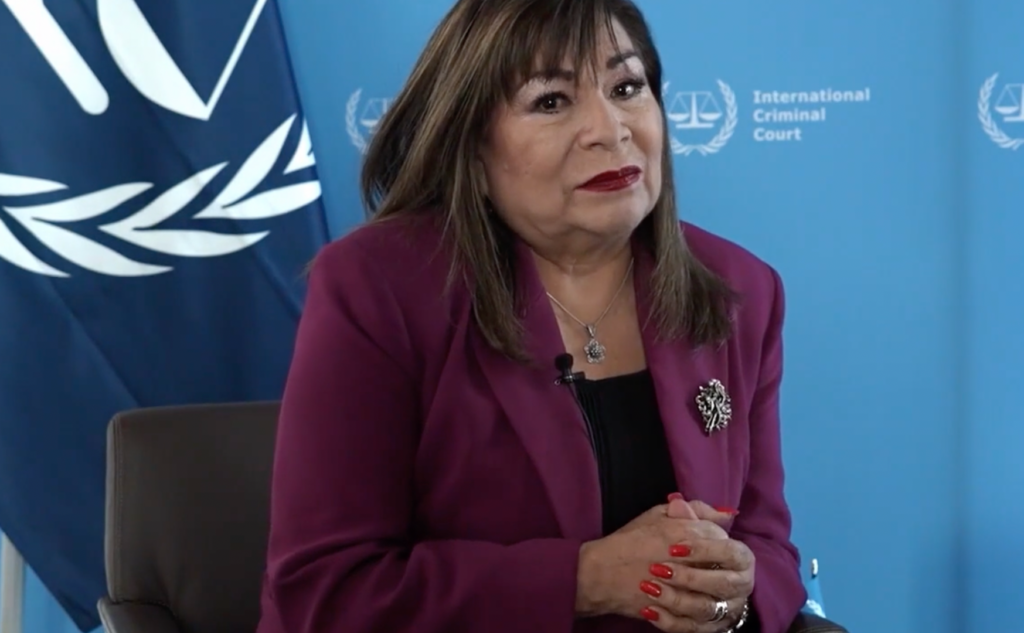
An International Criminal Court (ICC) judge has publicly stated that sanctions imposed by the former Trump administration have severely impacted her personal and professional life, effectively removing her access to banking services and digital platforms such as Google accounts. The judge alleges that these sanctions, intended as punitive measures, are effectively penalizing her for fulfilling her judicial responsibilities.
The sanctions, part of measures targeting officials involved in certain ICC activities, have reportedly led to the freezing or refusal of bank cards issued to the judge, severely limiting her ability to conduct everyday financial transactions. Furthermore, access to key digital services, including Google accounts crucial for communication and work, has been disrupted.
This situation raises concerns about the intersection of international law enforcement, diplomatic actions, and the rights and protections of judicial officials. The ICC judge’s statement highlights the personal ramifications of geopolitical tensions and the challenges faced by international judiciary members working under sanctions.
Legal experts and human rights advocates have expressed alarm, suggesting that sanctions on judicial figures could undermine the independence of international courts and impair their ability to operate without external interference. The judge’s predicament spotlights potential conflicts between national policies and international legal obligations.
The ICC, established to prosecute crimes like genocide, war crimes, and crimes against humanity, relies on the impartiality and independence of its judges to uphold international justice. Interference through sanctions may jeopardize the court’s integrity and its global mission.
This development has sparked debate among international legal circles about the appropriate use of sanctions and the need to ensure that such measures do not infringe upon the impartial operation of international justice institutions.
The ICC judge continues to advocate for the removal of these sanctions, urging authorities to consider the implications on international judicial cooperation and the broader framework of global justice. Meanwhile, the US government has yet to comment on the specific case or announce any plans to modify the sanctions affecting ICC officials.
The issue underscores the complex balance between national interests, international law, and the personal rights of officials serving in global institutions. It also serves as a reminder of the far-reaching consequences that diplomatic and economic pressures can have on individuals dedicated to the rule of law at the international level.