Iran has officially declared that the Strait of Hormuz will remain closed to United States naval vessels, a significant announcement amid ongoing geopolitical tensions in the region. An influential member of Iran’s Expediency Council emphasized that this strategic waterway will not be reopened to US ships, signaling a firm stance by Iran in response to broader conflicts and sanctions.
The Strait of Hormuz, a narrow but crucial chokepoint connecting the Persian Gulf with the Gulf of Oman and the Arabian Sea, is one of the world’s most strategically important maritime routes. Around 20% of the world’s petroleum passes through this strait daily, making it a vital artery for global energy supplies.
For years, the Strait has been a flashpoint for confrontation, reflecting broader US-Iranian hostilities. The latest declaration comes amid heightened tensions following recent US sanctions and military deployments in the Gulf region. Iran has repeatedly threatened to close the strait in retaliation against what it perceives as aggressive US policies.
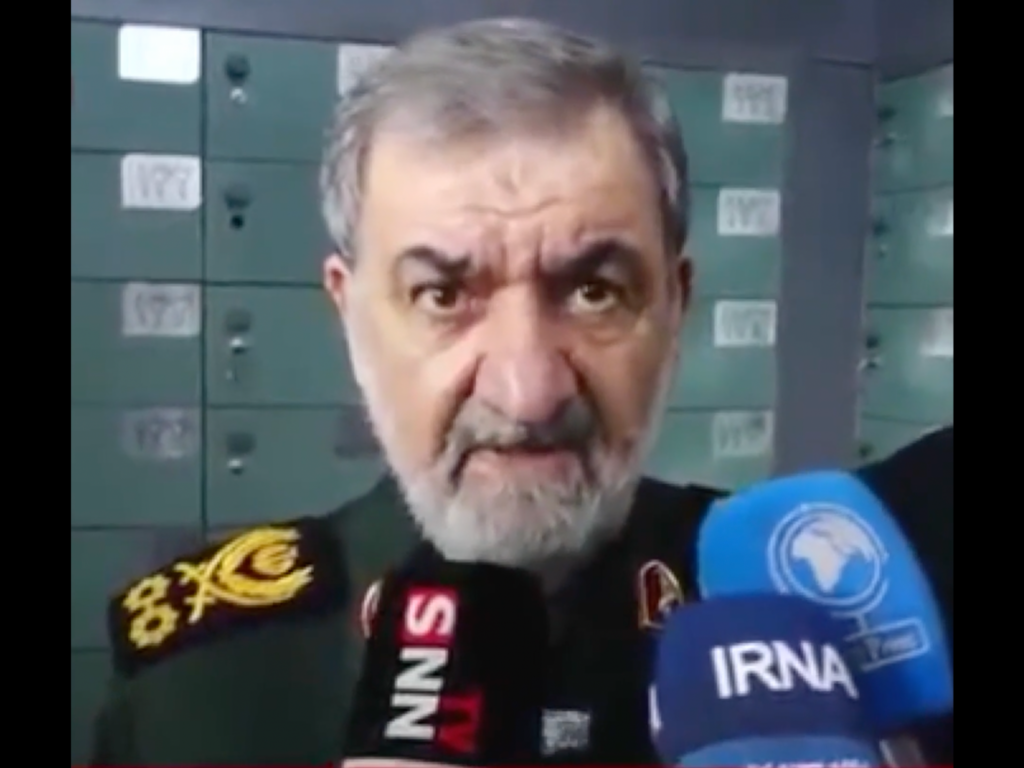
A member of the Expediency Council, which serves as an advisory body to Iran’s Supreme Leader and helps mediate legislative disputes, reaffirmed this policy by stating the strait will stay closed to US naval ships. The statement underscores Iran’s determination to assert control over this strategic passage and respond to US pressure with uncompromising measures.
Analysts warn that Iran’s stance could seriously disrupt international shipping and escalate military risks in an already volatile zone. The US Navy frequently patrols the waters near the strait to ensure freedom of navigation and to counter Iranian influence, and closure by Iran to US ships could provoke military confrontations.
Iran’s decision may also impact global oil markets, contributing to price volatility due to fears of supply disruptions. Countries reliant on oil transit through the Persian Gulf are closely monitoring the situation, as any extended closure could have ripple effects on energy security worldwide.
The international community has called for restraint and dialogue to prevent any conflict. However, Iran’s Expediency Council member’s firm stance suggests Tehran is prepared to sustain this posture unless political negotiations bring a change in relations.
This declaration is part of a broader pattern where Iran leverages its geographic positioning to influence regional and global politics. By controlling access through the Strait of Hormuz, Iran possesses a powerful strategic tool that could shape future diplomatic interactions.
The coming weeks will be critical as tensions remain high and diplomatic efforts continue to seek peaceful resolutions. The world watches closely how the situation will evolve, with the Strait of Hormuz’s status being a key indicator of stability in the Gulf region and beyond.