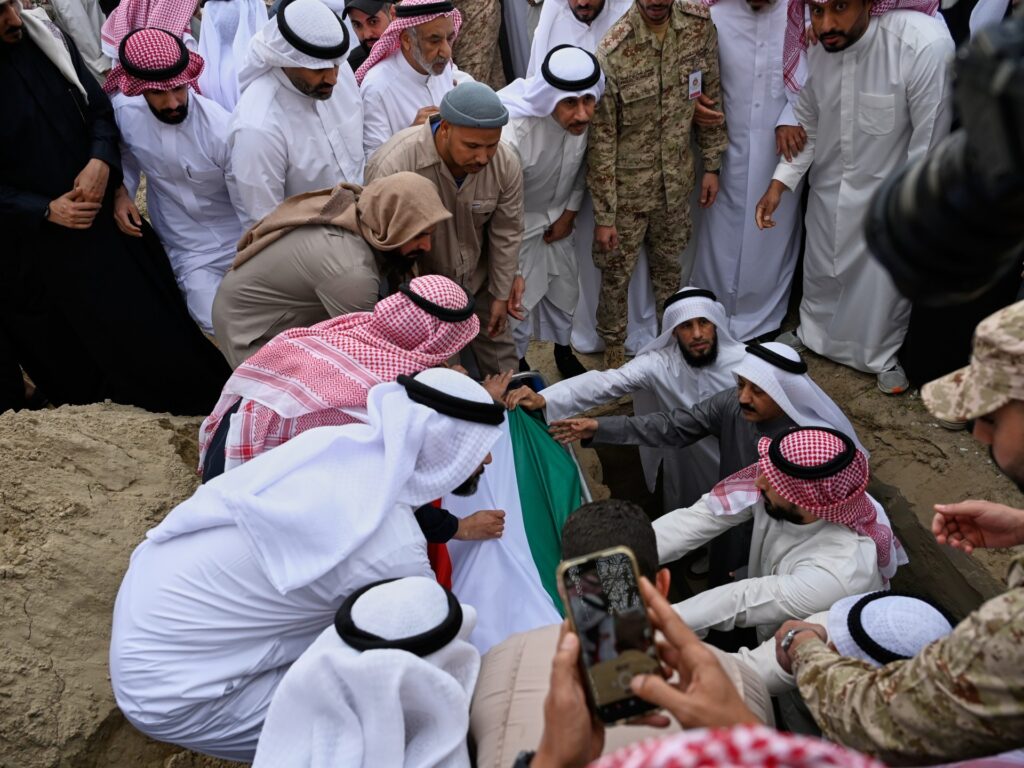
The ongoing tensions and potential conflict involving Iran have reached a critical juncture. As Iran raises the costs of continued warfare, this move significantly impacts the strategic calculations of the United States and its Gulf allies. The current situation is defined by a complex interplay of military, political, and diplomatic maneuvers that could lead to either de-escalation or a dangerous escalation.
Iran’s strategy appears to be centered on increasing the costs and risks for any adversaries who consider military action or intensified sanctions. This approach includes bolstering regional proxies, enhancing missile capabilities, and increasing asymmetric warfare tactics, all aimed at deterring further aggression and compelling opponents to seek negotiations.
For the United States, the challenge lies in balancing a show of strength with caution to avoid an uncontrollable spiral into full-scale conflict. Washington must weigh the consequences of escalating military presence or strikes against Iran, which could trigger retaliatory attacks on US forces and interests in the region.
Gulf nations, closely aligned with the US, face heightened security threats as Iran’s tactics put pressure on their infrastructure and political stability. These countries are pressing for a more assertive US stance, yet they also worry about the devastating fallout of a prolonged war.
Diplomatic efforts, meanwhile, face considerable hurdles. Iran’s insistence on its right to nuclear technology and regional influence complicates talks, especially with the US’s demand for curtailing Iran’s nuclear program and support for militant groups.
The international community is watching cautiously, urging restraint while preparing for multiple scenarios. Economic sanctions, cyber warfare, and covert operations are likely to continue as parts of this multifaceted conflict landscape.
In conclusion, the war on Iran is truly at a crossroads. Both Iran and the US have significant incentives and pressures that could drive them toward escalation or negotiation. The outcome depends on strategic decisions made in the near term, where the balance between deterrence and diplomacy will be pivotal in shaping the future of Middle Eastern stability and global security.