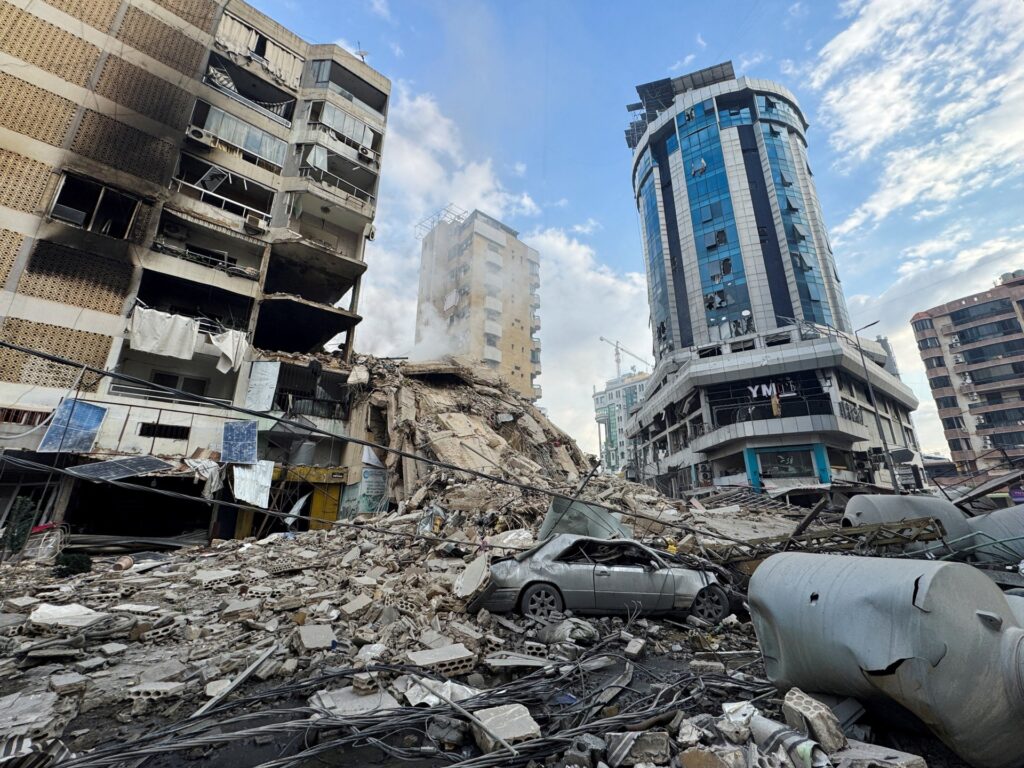
In a recent escalation of hostilities, the southern suburbs of Beirut have been left in ruins following a series of Israeli airstrikes. This devastating wave of attacks has significantly damaged residential areas, commercial properties, and key infrastructure, plunging the community into a state of crisis.
The southern suburbs, known for their dense population and vital role in Lebanon’s social and economic fabric, have borne the brunt of the aggressive campaign. Buildings that once housed families and businesses are now reduced to rubble, with debris scattered across streets that are eerily silent except for the sounds of emergency responders.
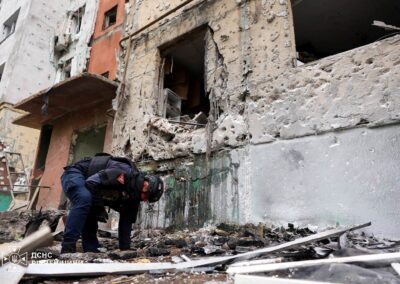
Local authorities and humanitarian organizations have mobilized quickly to provide relief and assistance to those affected. Efforts are underway to rescue trapped individuals, clear debris, and restore basic services such as electricity and water supply, which have been severely disrupted.
Witnesses describe scenes of chaos and despair, with residents fleeing their homes amid the destruction. Hospitals are overwhelmed with casualties, straining an already fragile healthcare system. The psychological toll on the population, especially children and the elderly, is profound, as many cope with trauma and the loss of loved ones.
The international community has expressed concern over the deteriorating situation, urging restraint from all parties and calling for immediate ceasefire negotiations. There are growing fears of a broader conflict that could destabilize the region further, impacting millions beyond Lebanon’s borders.
Diplomatic efforts are intensifying as global leaders seek to broker peace and prevent further bloodshed. Aid agencies are calling for safe corridors to deliver humanitarian aid, emphasizing the urgent need to address the humanitarian crisis unfolding in Beirut.
The impact of the Israeli strikes extends beyond physical destruction; it has deepened divisions within Lebanese society and heightened tensions with neighboring countries. The most vulnerable populations face increasing hardship as economic struggles compound the aftermath of the attacks.
As Beirut’s southern suburbs grapple with rebuilding and recovery, the resilience of its residents is being tested. The path ahead requires solidarity, support, and a commitment to peace to restore stability and hope to a community shattered by conflict.
In summary, the Israeli strikes on Beirut’s southern suburbs have left a trail of destruction and human suffering. The immediate priority remains to provide aid and support to those affected while seeking avenues for peaceful resolution to prevent further devastation.