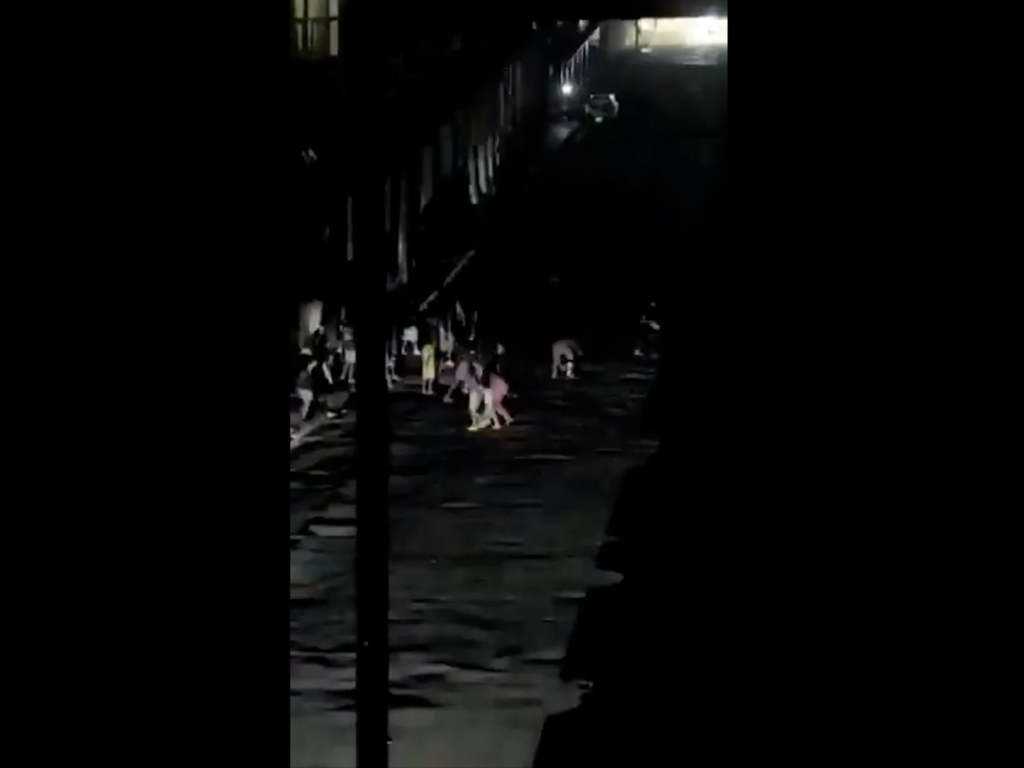
In the midst of a significant blackout affecting thousands, Cuba has witnessed protests erupting in the dark, highlighting the citizens’ frustration and dire circumstances. The power outage, which has left large parts of the country without electricity, has caused major disruptions in daily life, affecting homes, businesses, and essential services.
Residents in several cities reported being plunged into complete darkness for extended periods, with no immediate restoration timeline provided by authorities. The blackout has exacerbated existing economic and social challenges facing the island nation, further straining the public’s patience.
Protesters took to the streets, expressing their anger and demanding swift government action to restore power and improve infrastructure. The demonstrations, described by some as one of the largest in recent years, signal deep dissatisfaction with the state’s ability to provide basic services.
Cuban officials have acknowledged the blackout, attributing it to technical failures in the national grid, compounded by a lack of resources to maintain and upgrade the aging electrical system. Efforts are underway to address the problem, but progress has been slow, fueling public discontent.
The outage has also impacted hospitals and emergency services, raising concerns about the well-being of vulnerable populations. Communications disruptions caused by the blackout have made it harder for people to coordinate and access information.
This blackout comes at a time when Cuba is already grappling with economic hardships, food shortages, and the aftermath of the global pandemic, presenting a multifaceted crisis for the island.
International observers have expressed solidarity with the Cuban people, urging the government to prioritize infrastructure improvements and take accountability for the blackout’s impact.
As night falls, the protests continue, shedding light on the urgent need for systemic change to ensure reliable power and basic services across Cuba. For now, residents wait anxiously for restoration, hoping their voices lead to meaningful action.