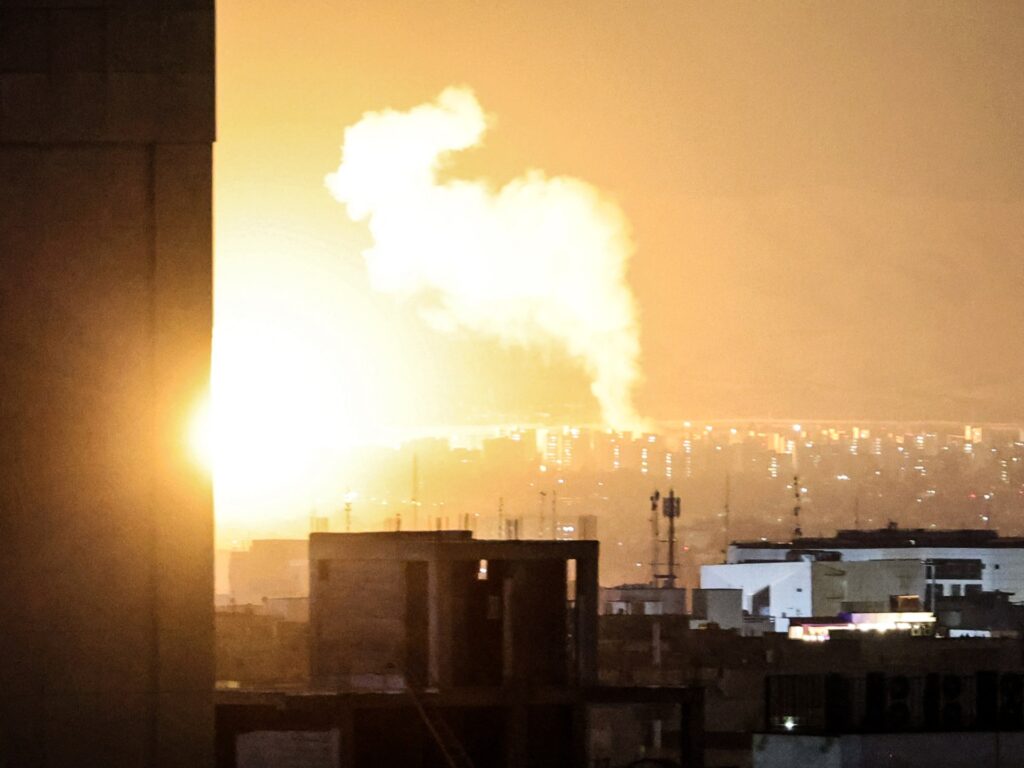
The ongoing war involving the US and Israel against Iran has now moved into its second consecutive week, with hostilities continuing unabated and no clear end in sight. Despite intensive military operations and international attention, the conflict shows little indication of de-escalation. In the midst of escalating tensions, former US President Donald Trump has publicly stated a firm stance, insisting that there will be no negotiated settlement until Iran fully ‘surrenders.’ This hardline position reflects the heightened rhetoric accompanying the military conflict, which underscores the deep complexities and challenges in reaching a peaceful resolution.
The war began as a result of longstanding geopolitical tensions and disagreements over Iran’s nuclear ambitions and regional influence. Both the United States and Israel regard Iran’s expanding military capabilities and activities as a direct threat to regional stability and global security. Over the past week, military strikes, counterattacks, and strategic maneuvers have dominated the conflict landscape, contributing to significant casualties and infrastructural damage.
Internationally, the war has sparked widespread concern and calls for diplomacy. However, the combatants remain entrenched in their positions, with little willingness to compromise. The United Nations and various global leaders have urged restraint and dialogue, however, such appeals have yet to yield tangible results.
Economic repercussions are beginning to emerge as well, with energy markets experiencing volatility due to the conflict’s impacts on the Middle East, a crucial hub for global oil supplies. Sanctions, trade disruptions, and heightened security risks have further complicated the situation.
On the ground, civilians are facing the harsh realities of war, including displacement, loss of life, and humanitarian crises. Aid organizations are struggling to provide relief amidst ongoing hostilities.
Experts warn that if the conflict continues without any meaningful negotiations, it could escalate into a wider regional war, drawing in neighboring countries and threatening broader global stability.
In conclusion, the second week of the US-Israeli war against Iran is marked by continued military engagement, no signs of peace, and growing international concern. The explicit stance by figures such as Donald Trump highlights the significant challenges facing diplomatic efforts. As the conflict unfolds, the world watches anxiously, hoping for a resolution that avoids further devastation and promotes lasting peace in the region.