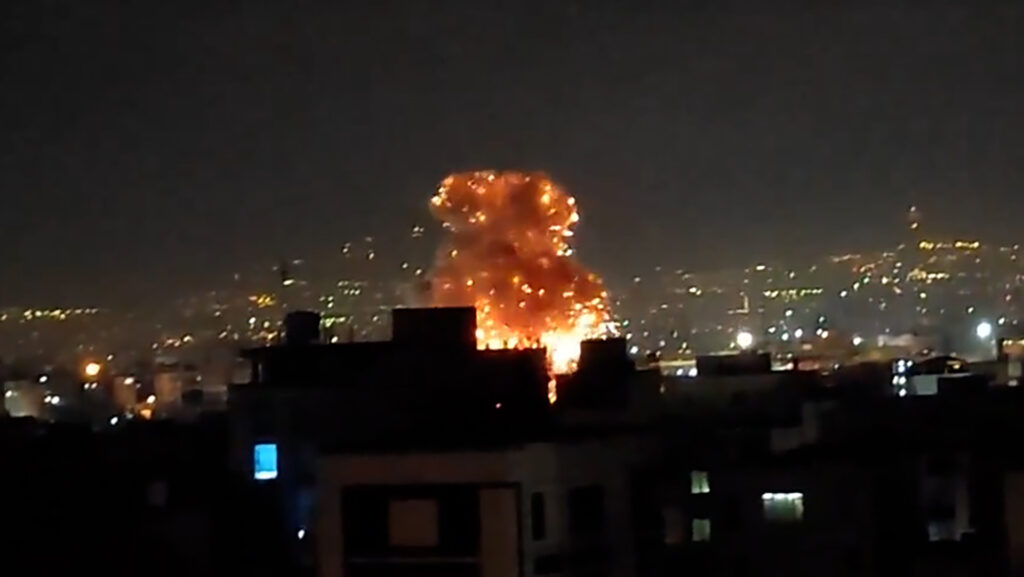
Massive explosions and widespread fires were reported across Tehran following a series of coordinated strikes allegedly carried out by US and Israeli forces. The attacks targeted key locations in the Iranian capital, resulting in significant damage and chaos.
The nature of the strikes suggests a critical escalation in tensions between Iran and the allied forces of the United States and Israel. Reports indicate that multiple high-value targets were hit, including government buildings, military installations, and infrastructure critical to Iranian operations.
Eyewitnesses described scenes of intense devastation, with towering plumes of smoke rising into the sky and emergency services scrambling to contain the blazes. The explosions were reportedly so powerful that they were felt across vast areas of the city, triggering panic among residents.
Details about casualties remain unclear at this stage, with official sources yet to release a comprehensive statement. Hospitals in Tehran are said to be overwhelmed with injured individuals, and rescue operations are ongoing amid fears of further hidden damages.
The timing and scale of the strikes have sparked international condemnation and raised concerns about the potential for further escalation in the already volatile Middle East region. Analysts warn that the strikes could precipitate a wider conflict, with retaliatory actions expected from Iranian forces.
Iranian officials have condemned the attacks as acts of aggression and vowed to respond decisively. In recent statements, Iranian leadership emphasized their readiness to defend national sovereignty and respond to perceived threats with full force.
The US and Israeli governments have not officially confirmed responsibility for the strikes, although unnamed sources within both countries have hinted at their involvement. The strategic motivations behind the attacks are believed to focus on undermining Iran’s military capabilities, particularly in its nuclear and missile programs.
This development marks one of the most severe instances of direct confrontation between these nations in recent years. It underscores escalating tensions that have been mounting due to geopolitical disputes, nuclear negotiations, and regional power struggles.
The international community is closely monitoring the situation, with diplomatic efforts underway to prevent further deterioration. Calls for restraint and dialogue have intensified from various global leaders, urging all parties to return to negotiation tables and avoid military conflict.
Tehran’s residents are facing a night of uncertainty and fear, with basic services disrupted and ongoing threats of further attacks. Emergency responses continue as the city grapples with the immediate humanitarian and infrastructural fallout.
This incident reflects the broader complexities of Middle Eastern geopolitics, marked by cycles of provocation, retaliation, and unstable peace. The coming days and weeks will be critical in determining the region’s path forward amid these dangerous developments.