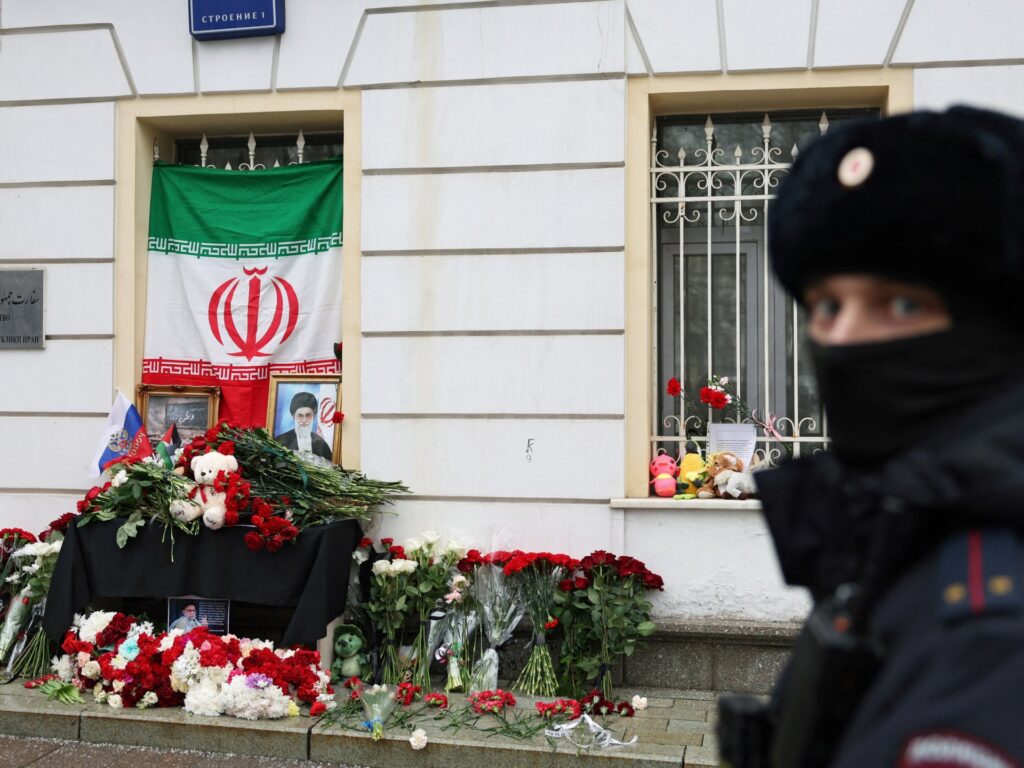
The ongoing conflict in Iran has positioned Russia in a unique geopolitical spot, potentially turning war into a strategic advantage. As one of Iran’s few steadfast allies, Moscow is maneuvering diplomatically amid the tensions involving Iran and Israel, seeking to capitalize economically and politically.
Russia’s ties with Iran have long been grounded in mutual interests against Western influence, and the current war scenario amplifies these connections. With international sanctions and conflicts disrupting global oil supplies, Russian oil emerges as a sought-after commodity. Moscow’s ability to supply oil to markets that might otherwise face shortages strengthens its economic leverage.
Diplomatically, Russia balances a complex relationship with Israel, prioritizing its alliance with Iran while managing concerns related to Israeli security interests. This balancing act enhances Russia’s role as a key mediator and power broker in Middle Eastern affairs, increasing its influence in the region.
Furthermore, the war provides Russia an opportunity to expand its military and economic footprint in the Middle East. By supporting Iran through arms sales and joint military exercises, Russia cements its position as an indispensable player. This support also counters Western efforts to isolate Tehran.
Economically, Moscow benefits as sanctions on Iran limit its capacity to sell oil independently. Russian firms may act as intermediaries, facilitating the flow of Iranian oil under Moscow’s umbrella, boosting revenues and further consolidating Russia’s presence in global energy markets.
On the international stage, Russia’s alignment with Iran underlines its challenge to Western dominance, showcasing Moscow’s confidence in reshaping alliances and influence spheres. The war in Iran thus becomes a platform for Russia to reinforce its status as a global power.
The conflict also impacts regional dynamics, as other nations observe Russia’s expanding influence and seek to adjust their strategies accordingly. Russia’s gains echo beyond immediate war-related benefits, suggesting a long-term recalibration of Middle Eastern geopolitics with Moscow at the center.
In summary, Russia’s involvement in the Iran war facilitates:
– Increased demand for Russian oil amid disrupted global supplies.
– Strengthened diplomatic leverage between Iran and Israel.
– Expanded military cooperation with Tehran.
– Economic gains through intermediary roles in Iranian oil sales.
– Enhanced geopolitical stature challenging Western influence.
As the war unfolds, Moscow’s calculated diplomatic and economic actions exemplify how geopolitical conflicts can translate into strategic gains, positioning Russia as a pivotal actor in the Middle East and beyond.