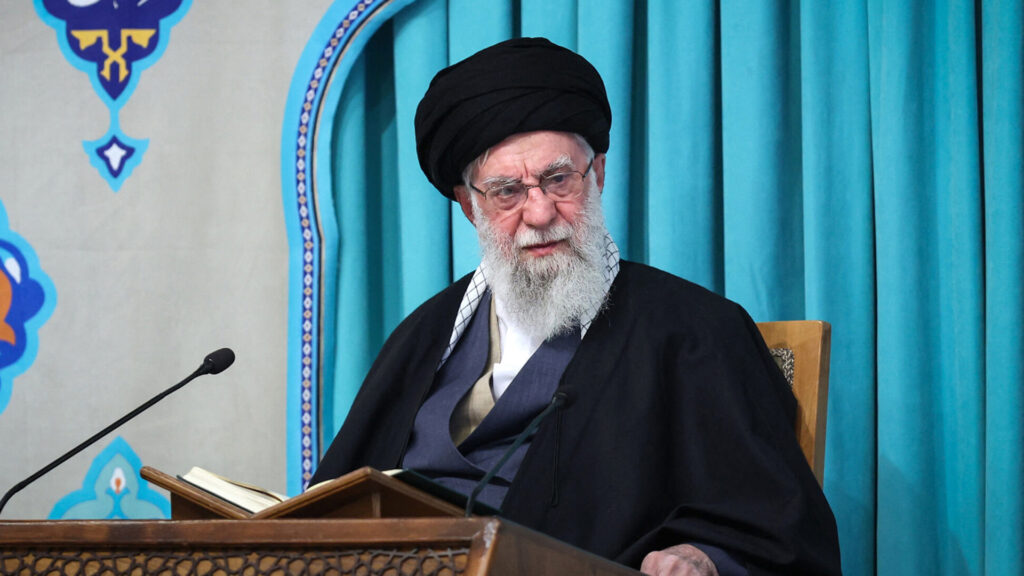
Recent claims circulating on social media and certain news outlets stated that Ayatollah Ali Khamenei, the Supreme Leader of Iran, was killed in a joint US-Israeli strike. However, Iranian state media have not confirmed these reports; in fact, they have denied them, affirming that Ayatollah Khamenei is alive.
Ayatollah Ali Khamenei has been the Supreme Leader of Iran since 1989, succeeding Ayatollah Khomeini, the founding leader of the Islamic Republic. As Supreme Leader, Khamenei holds the highest authority in Iran, overseeing the executive, legislative, and judicial branches of government, as well as the military and media.
Born in 1939, Khamenei is a cleric and politician who has played a central role in shaping Iran’s domestic policies and foreign relations for over three decades. He is seen as a conservative and influential figure in the Islamic Republic, known for his strong stance against Western influence and support for regional proxy groups.
The Supreme Leader position is not subject to term limits, and Khamenei has held it for more than 30 years. His leadership style has been characterized by a mix of religious authority and political control. He has a significant impact on Iran’s nuclear program, its stance towards the United States and Israel, and its regional policy in the Middle East.
False news about his death can have serious implications, potentially escalating tensions in the already volatile Middle East region. Iran has often accused the US and Israel of covert operations and plots against its leadership, but the official denial of this claim underscores that Ayatollah Khamenei remains firmly in power.
It’s important to rely on credible sources and official confirmations when evaluating information about such significant political figures. The situation in the Middle East remains complex and sensitive, and misinformation could lead to dangerous misunderstandings or escalation.
In summary, Ayatollah Ali Khamenei continues to serve as Iran’s Supreme Leader, and reports of his death have been refuted by Iranian state media. He remains a pivotal figure in Iran’s political and religious landscape, influencing the country’s trajectory and its role on the international stage.