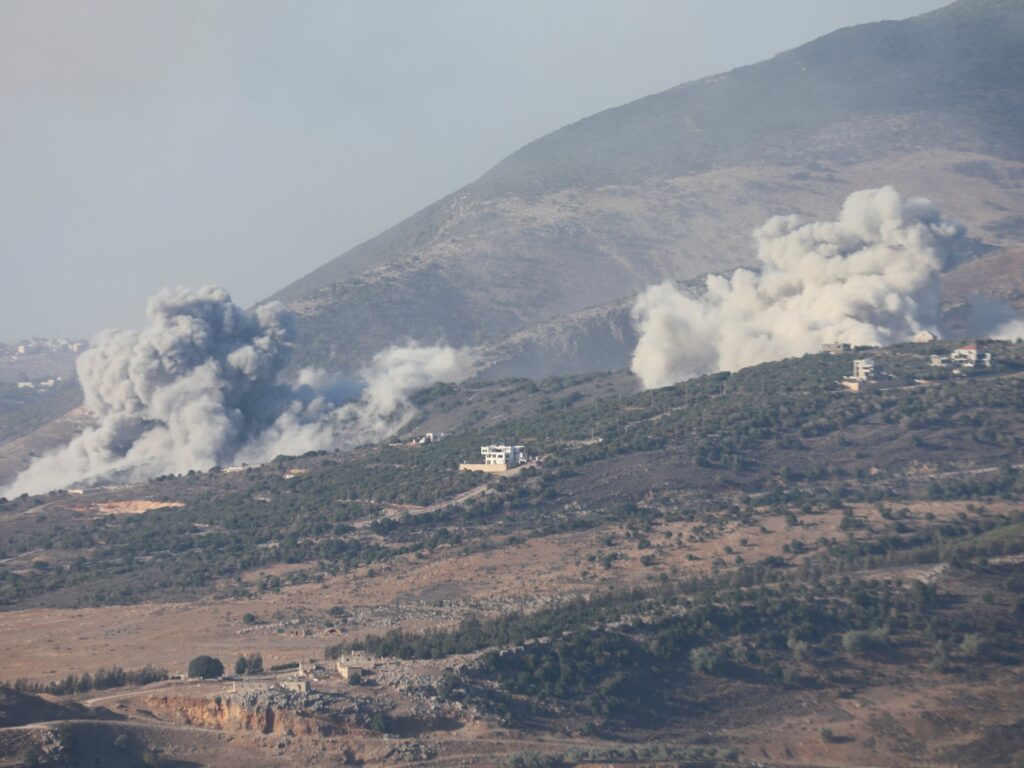
Tensions have escalated once again on the Israel-Lebanon border as the Israeli military launched attacks targeting Hezbollah sites in southern Lebanon. This marks one of the latest in a series of near-daily ceasefire violations that have raised alarm across the region.
According to Israeli defense officials, the strikes were aimed at curbing Hezbollah’s military capabilities, which they claim pose a direct threat to Israeli security. Hezbollah, a Shiite militant group based in Lebanon, has been involved in numerous conflicts with Israel over the years and is considered a terrorist organization by Israel and several other countries.
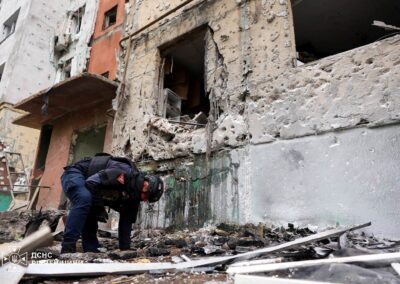
Despite the stated military objectives, reports from southern Lebanon indicate that these attacks have resulted in significant collateral damage, affecting civilians and critical infrastructure. Local witnesses and humanitarian groups have documented damage to residential areas, roads, and public utilities, raising concerns about the humanitarian impact of the ongoing hostilities.
The violence comes amid growing regional instability, with both sides accusing each other of provocations and violations of previous ceasefire agreements. The United Nations and various international organizations have repeatedly called for restraint and a return to dialogue to prevent further escalation.
Lebanese authorities have condemned the Israeli strikes, emphasizing the need for respect of Lebanese sovereignty and the protection of civilian lives. In parallel, Hezbollah has vowed to respond to any aggression, signaling the potential for a broader conflict if tensions continue to mount.
The international community remains wary of the implications of continued clashes, fearing that any significant escalation could destabilize an already volatile Middle East region. Diplomatic efforts are ongoing to mediate between the conflicting parties, but the path to peace remains uncertain as hostilities show no signs of abating.
Analysts highlight the delicate balance of power and the complex political landscape that makes resolving the Israel-Hezbollah conflict particularly challenging. Both the military campaigns and the political rhetoric contribute to an environment where ceasefire agreements are fragile and frequently broken.
As the situation develops, humanitarian organizations are urging for immediate measures to protect civilians and provide aid to those affected by the conflict. The unfolding events underscore the urgent need for renewed diplomatic engagement to address the root causes of the violence and establish a sustainable peace framework.
In summary, the latest Israeli attacks on southern Lebanon represent a continuation of near-daily ceasefire violations with significant consequences for regional security and civilian safety. The ongoing conflict between Israel and Hezbollah remains a critical issue demanding international attention and concerted efforts toward de-escalation.