Hungarian Prime Minister Viktor Orban has ordered heightened security measures across the country following allegations of a planned attack connected to the ongoing conflict in Ukraine. This announcement comes amid a tense political atmosphere as Orban and his Fidesz party face their most significant challenge in the upcoming parliamentary elections scheduled for April 12.
The government claimed intelligence sources had uncovered plans suggesting that forces linked to Ukraine were plotting attacks within Hungary’s borders. In response, Orban has instructed the security forces to increase vigilance and readiness to prevent any such threats from materializing.
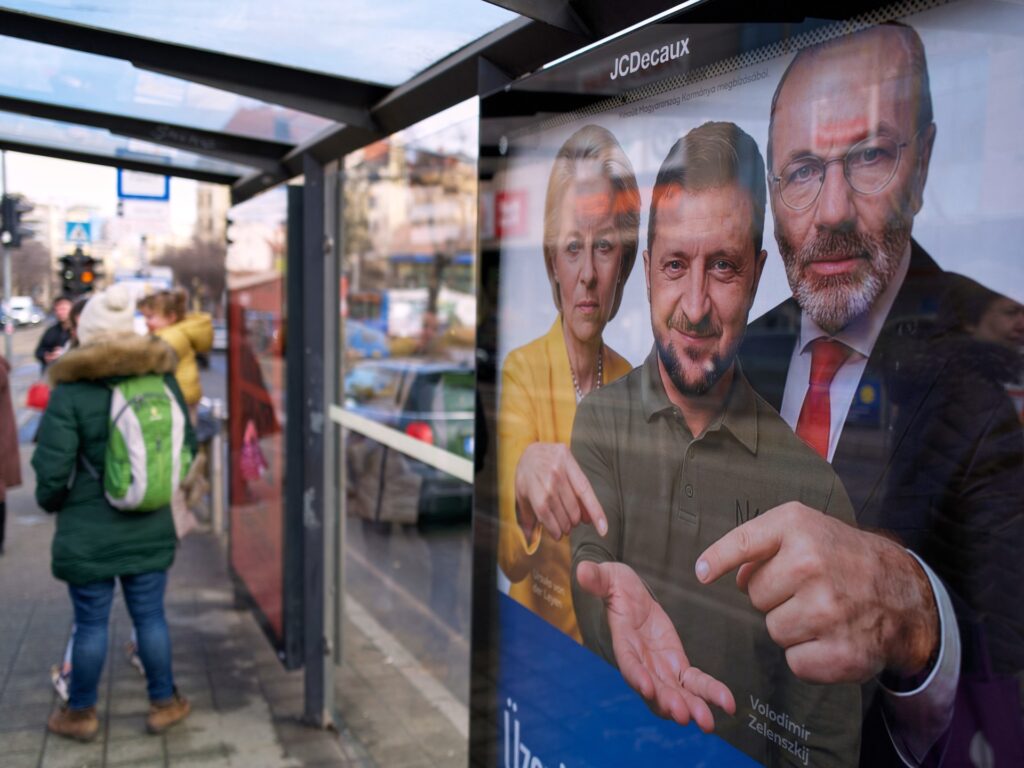
This move has added a new layer of urgency to the political landscape in Hungary. Orban and his Fidesz party, which have traditionally held strong influence in Hungarian politics, are now confronted with a more determined opposition. The elections promise to be highly competitive, with multiple parties vying to unseat Orban’s longstanding administration.
As part of the enhanced security protocols, border controls have been intensified, and additional law enforcement personnel have been deployed in strategic locations. The government has emphasized that these steps are necessary to safeguard national security and prevent any spillover effects from the conflict in Eastern Europe.
Observers note that the timing of this security escalation coinciding with the election season could have implications beyond the immediate safety concerns. Critics argue that Orban might be using the alleged threat to consolidate political support and frame his administration as the protector of Hungarian sovereignty.
The situation has drawn reactions from both domestic and international stakeholders. Opposition parties have called for transparent investigations into the alleged attack plot and cautioned against using security concerns for political gain. Meanwhile, European Union officials have urged all parties to maintain calm and uphold democratic processes during the electoral period.
The ongoing conflict in Ukraine continues to impact neighboring countries, with Hungary’s government walking a delicate line between addressing security challenges and managing political pressures. As the April 12 elections approach, all eyes are on Hungary to see how these developments will influence the political environment and the future direction of the country.
In summary, Hungary is currently navigating a complex intersection of national security concerns tied to the Ukraine conflict and a fiercely contested election cycle. Prime Minister Viktor Orban’s recent order for extra security highlights the heightened tensions and uncertainties facing the nation during this critical period.