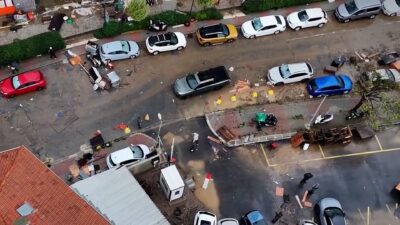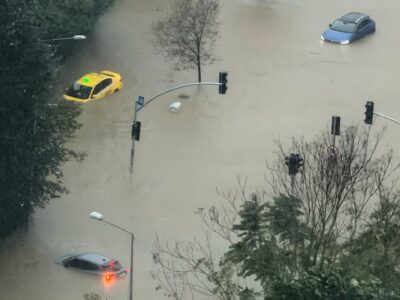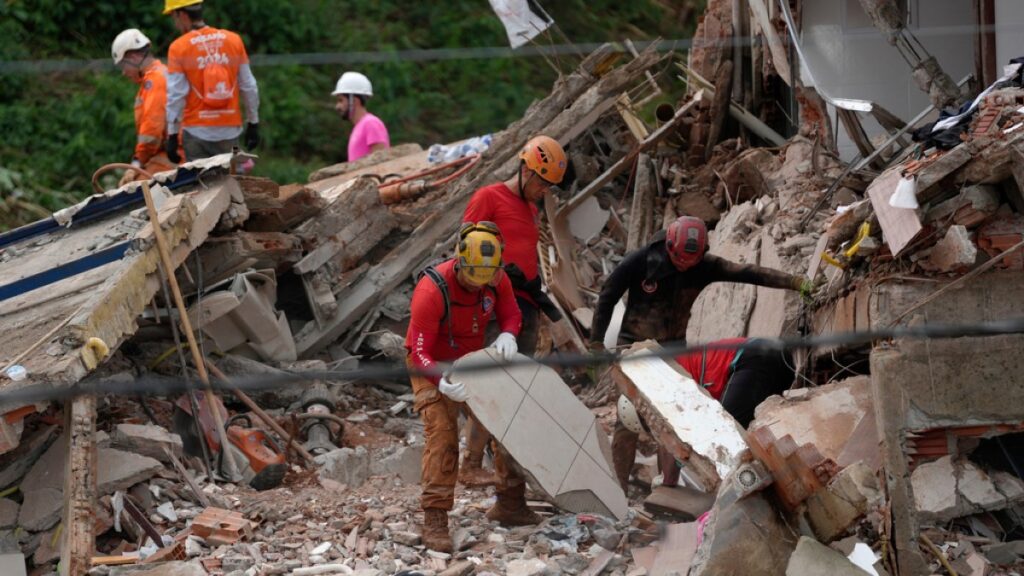
Southeastern Brazil is grappling with a severe natural disaster as torrential rains have unleashed devastating floods, resulting in at least 23 deaths. The relentless downpour has caused widespread flooding and landslides, severely impacting towns across the region. Rescue operations are currently underway, with search and rescue teams tirelessly looking for over 40 individuals who remain missing amid the chaos.
The heavy rains have overwhelmed local infrastructure, washing away roads and isolating communities, making it difficult for emergency responders to reach those in need. Many residents have been forced to evacuate their homes as rising waters sweep through neighborhoods, damaging homes, businesses, and essential services.
Authorities have issued alerts and warnings to residents in vulnerable areas, advising them to stay indoors and avoid travel unless absolutely necessary. Emergency shelters have been established to accommodate those displaced by the floods, providing food, water, and medical assistance.
Meteorologists attribute the intensity of the rainfall to a combination of atmospheric conditions that have funneled moisture into the region, exacerbating the flooding situation. The Brazilian government has pledged to mobilize additional resources to support relief efforts and assist affected communities.
Local officials emphasize the importance of community solidarity and timely communication during this emergency. The region’s residents are urged to heed safety instructions and report any signs of worsening conditions to authorities immediately.
Historical data shows that southeastern Brazil periodically faces heavy rainfall, but the scale of the current floods is among the worst in recent years. The disaster highlights the urgent need for improved infrastructure resilience and enhanced emergency preparedness to mitigate the impacts of such extreme weather events in the future.
As search and rescue missions continue, international aid organizations have expressed their willingness to offer support. Meanwhile, ongoing assessments aim to determine the full extent of the damage and develop long-term strategies for recovery and reconstruction.
The tragic loss of life and the disruption to communities serve as a somber reminder of the vulnerabilities faced by regions prone to natural disasters. Continued vigilance and coordinated response efforts remain crucial as southeastern Brazil works to recover from the heavy rains and floods that have struck the area.