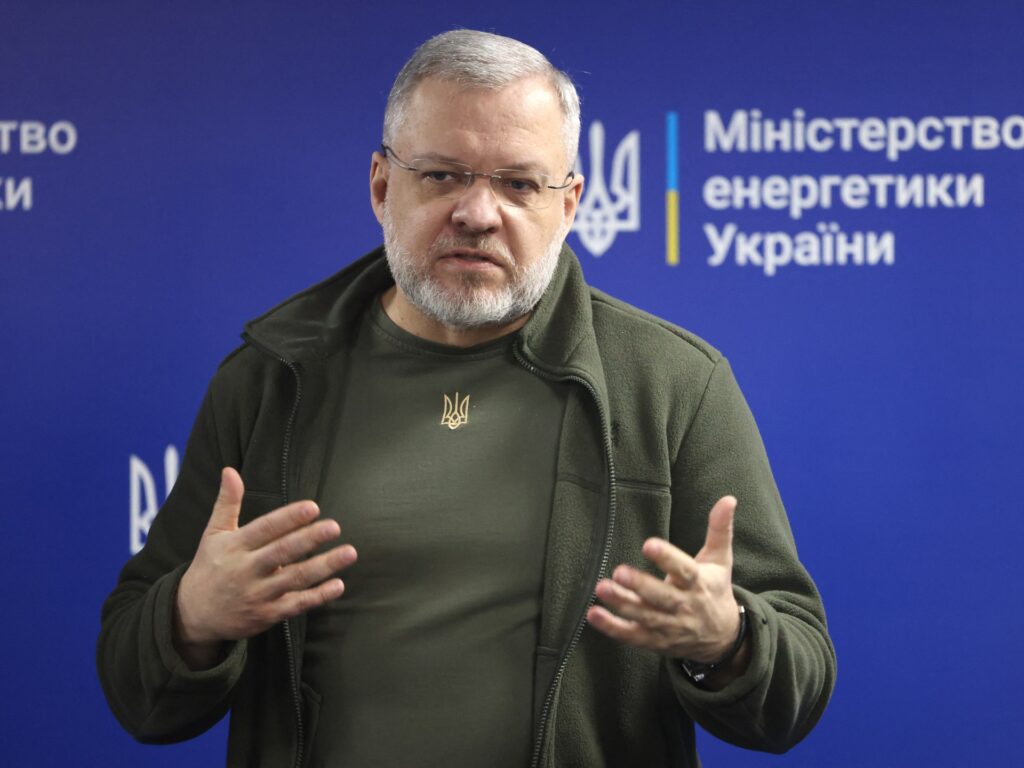
In a significant development within Ukraine’s political and judicial landscape, German Galushchenko, the former energy minister, has been detained by Ukraine’s anti-corruption bureau. The arrest took place as Galushchenko attempted to cross the country’s border. This event marks a critical point in Ukraine’s ongoing efforts to tackle corruption, particularly within key government sectors. Galushchenko, who served as the energy minister during a turbulent period for Ukraine’s energy sector, has been under scrutiny amid broader anti-corruption measures implemented by Ukrainian authorities. The circumstances surrounding his attempted border crossing raise questions about the timing and nature of his travel and the charges that may be involved. Ukraine has been intensifying its fight against corruption as part of broader reforms aimed at improving governance and attracting international support and investment. The detention of a high-profile former official like Galushchenko underscores the government’s commitment to accountability, regardless of the individual’s previous status or influence. While details of the specific allegations have not been fully disclosed, the anti-corruption bureau’s involvement indicates serious concerns relating to potential misuse of power or financial irregularities. This arrest comes amid a backdrop of ongoing tensions in Ukraine, where political stability and economic reforms are critical priorities. The situation also highlights the challenges faced by Ukrainian leadership in balancing internal governance reforms with external pressures and security concerns. Observers are closely watching the developments, as the case could have wider implications for Ukraine’s political factions and the future direction of its energy policies. Galushchenko’s legal proceedings are anticipated to be closely monitored domestically and internationally, given his former role in shaping Ukraine’s energy strategies. The broader context of this arrest may also reflect the increased vigilance by Ukrainian authorities to prevent former officials from evading justice by fleeing the country. In summary, the arrest of German Galushchenko at the border represents a pivotal moment in Ukraine’s anti-corruption efforts. It signals a resolute stance against graft and mismanagement within the government and aims to reassure citizens and international partners of Ukraine’s dedication to transparency and rule of law. The case will likely evolve as more details emerge, with significant attention on how Ukraine prosecutes alleged wrongdoing among its former high-ranking officials, and what this means for the country’s political and economic future.