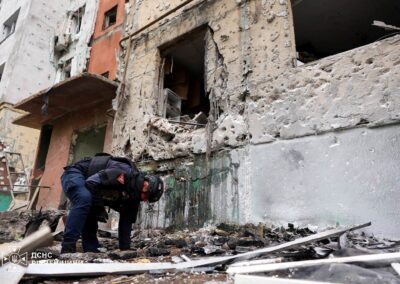
The recent conflict in Gaza has drawn significant international attention, not only due to the severe humanitarian impact but also because of the participation of thousands of Western nationals in the Israeli military efforts. These foreign fighters have joined Israel during its intense military operations in Gaza, a conflict that has tragically resulted in the deaths of over 72,000 Palestinians.
This unprecedented involvement of Western citizens highlights a complex dimension of the Gaza war. Many of these individuals have traveled from countries across Europe, North America, and beyond, motivated by various factors ranging from ideological alignment to personal convictions about the conflict.
The influx of Western recruits has posed new challenges and dynamics within the Israeli Defense Forces (IDF). Their participation is seen by some as a show of international support for Israel, while critics argue it complicates the situation further and raises questions about the legality and implications of foreign combatants in the conflict.
Human rights organizations have expressed grave concerns regarding the scale of civilian casualties and the overall impact of the war. The death toll, exceeding 72,000 Palestinians, underscores the devastating human cost of the military campaign. These figures have prompted calls for urgent ceasefires and renewed peace negotiations to prevent further loss of life.
Analysts note that the involvement of foreign fighters could have long-lasting implications for regional stability. It might affect diplomatic relations between Israel and Western nations, particularly as domestic opinions in many countries are divided on the issue.
Moreover, the presence of Western nationals in the conflict zone raises legal and ethical questions. International law generally restricts the participation of foreign fighters, especially in active war zones, due to risks of escalation and violations of human rights. Governments in the West are grappling with responses, balancing national security concerns with the rights of their citizens.
The recruitment and mobilization of these Western fighters have been facilitated through various channels, including social media, diaspora networks, and ideological groups. This trend has drawn attention to the increasing globalization of conflicts and the role of transnational actors in modern warfare.
In conclusion, the Gaza war’s scale and the involvement of thousands of Western nationals in the Israeli military campaign mark a significant and troubling development. The high Palestinian death toll highlights the urgent need for international diplomatic efforts and a reconsideration of the paths towards achieving peace and security in the region. The conflict remains a critical issue of global concern, demanding a nuanced understanding of the multiple facets at play.