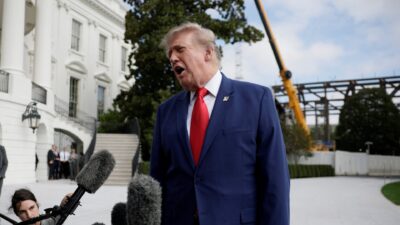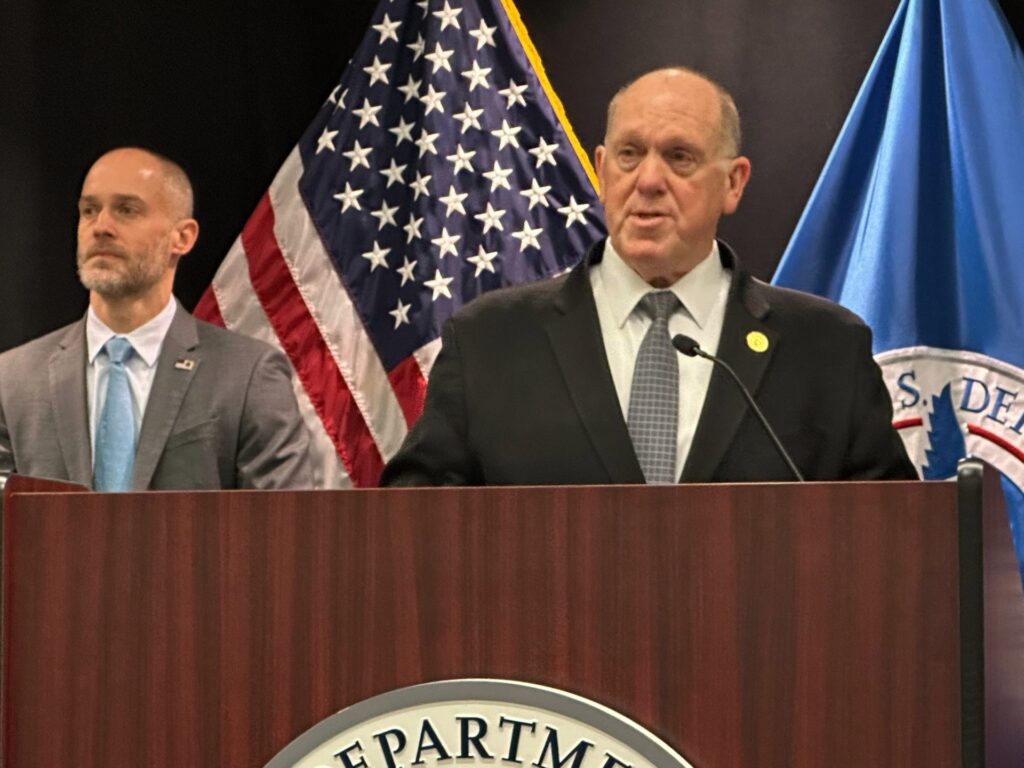
In a significant development concerning immigration enforcement, the US border chief has confirmed that former President Donald Trump has agreed to halt the ongoing surge of deportations in Minnesota. This decision marks the conclusion of a high-profile federal operation involving roughly 700 immigration agents deployed to the state.
The surge operation was initiated amid growing concerns over illegal immigration and related security issues within Minnesota. The influx of federal agents was aimed at addressing these challenges by increasing deportations and immigration enforcement. However, the move has been highly controversial, drawing criticism from local officials, advocacy groups, and some members of the public who argued that the operation was harsh and disruptive to communities.
According to the border chief, the original intent of the deployment was to send a strong message regarding immigration policies, but the recent agreement reflects a shift towards more measured enforcement strategies. The withdrawal of the 700 immigration agents will see a de-escalation of federal actions in the state, signaling a return to collaboration with local authorities under less aggressive parameters.
This announcement comes at a pivotal time as immigration continues to be a contentious topic in national politics. The decision to end the surge could be interpreted as a response to political pressures, public opinion, or a strategic recalibration of enforcement priorities under Trump’s influence.
Local leaders have welcomed the decision, viewing it as an opportunity to focus on community-based solutions rather than aggressive federal interventions. Advocacy groups have also expressed relief, emphasizing the need for humane and just immigration policies.
While the end of the operation signals a temporary reprieve for many immigrants in Minnesota, immigration enforcement remains an ongoing priority for federal authorities. The border chief underscored the importance of balancing enforcement with respect for human rights and community stability.
Observers will be closely watching the outcomes of this decision and its impact on immigration patterns and enforcement practices in the region. For now, Minnesota stands at a crossroads, navigating the complex dynamics of immigration policy in a way that aims to balance security and compassion.