Bangladesh has witnessed a landmark moment as its 2024 general elections reached a critical juncture with the formal closing of polls and the commencement of vote counting. This election is particularly significant as it symbolizes the country’s return to democratic governance following a widespread student-led uprising earlier in the year.
The 2024 elections were closely watched both domestically and internationally due to their potential to reshape Bangladesh’s political landscape after months of civil unrest triggered by demands for democratic reforms and greater governmental accountability. The student protests, which began as peaceful demonstrations, rapidly gained momentum and mobilized much of the youth, ultimately leading to significant political changes and the scheduling of this crucial election.
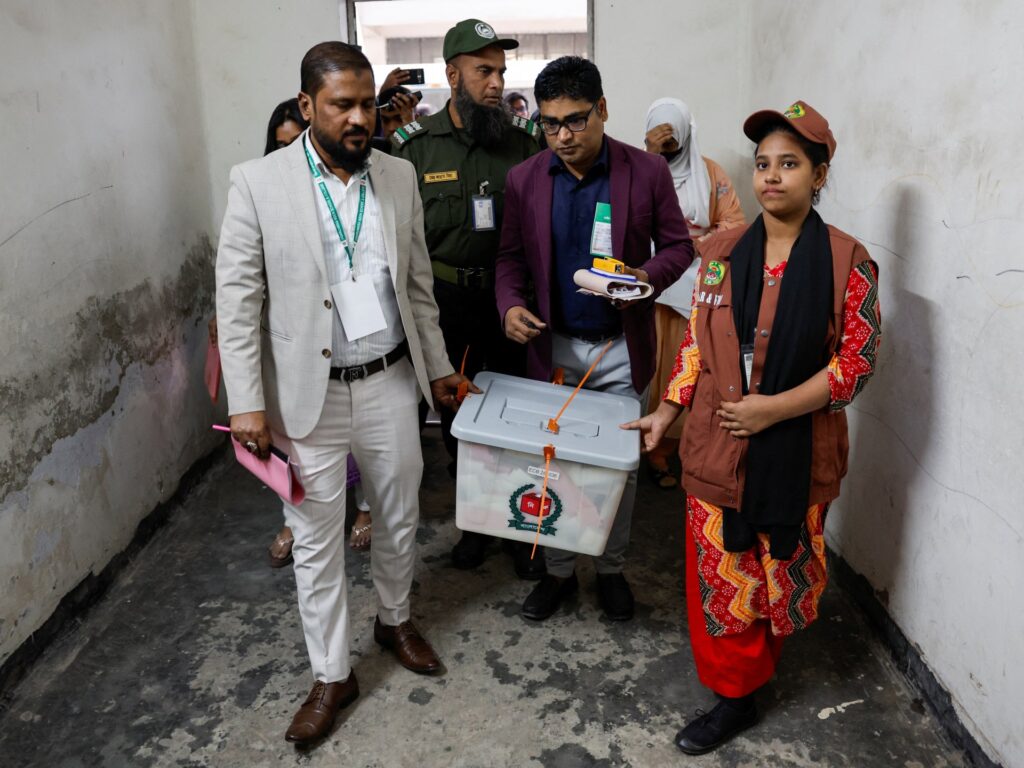
Polling stations across the country formally closed their doors in the late afternoon, marking the end of a day characterized by high voter turnout and heightened security measures. Electoral authorities reported the voting process was largely peaceful, despite some isolated incidents of disruption in a few districts, which were swiftly managed by law enforcement agencies.
The vote counting process has now begun, with officials meticulously tallying ballots at centralized centers. Early indicators suggest a competitive election, with multiple parties vying for power amid an energized electorate eager to influence Bangladesh’s future leadership. This election determines who will steer the nation’s policies and governance structures, as well as the country’s ongoing commitment to democratic principles.
Political analysts emphasize the weight of this election as a decisive moment for Bangladesh’s democratic maturation. The results will not only dictate the composition of the government but also reflect the public’s sentiment on recent political upheavals and aspirations for reform. The international community remains keenly interested in the outcome, viewing the elections as a barometer of political stability in a key South Asian nation.
Voters expressed a mix of hope and cautious optimism as they cast their ballots. Many see this election as an opportunity to consolidate gains made during the student protests and to push for continued political openness and socio-economic progress.
As the counting continues, election commissions have promised transparency and accuracy in reporting results. Media outlets are providing live updates, while security forces maintain vigilance to prevent any post-election disturbances.
The final results are expected to be announced in the coming days, providing clarity on Bangladesh’s new leadership and the direction the country will take after a turbulent yet transformative period. This election marks a critical chapter in Bangladesh’s democratic journey, reflecting the resilience and aspirations of its people.