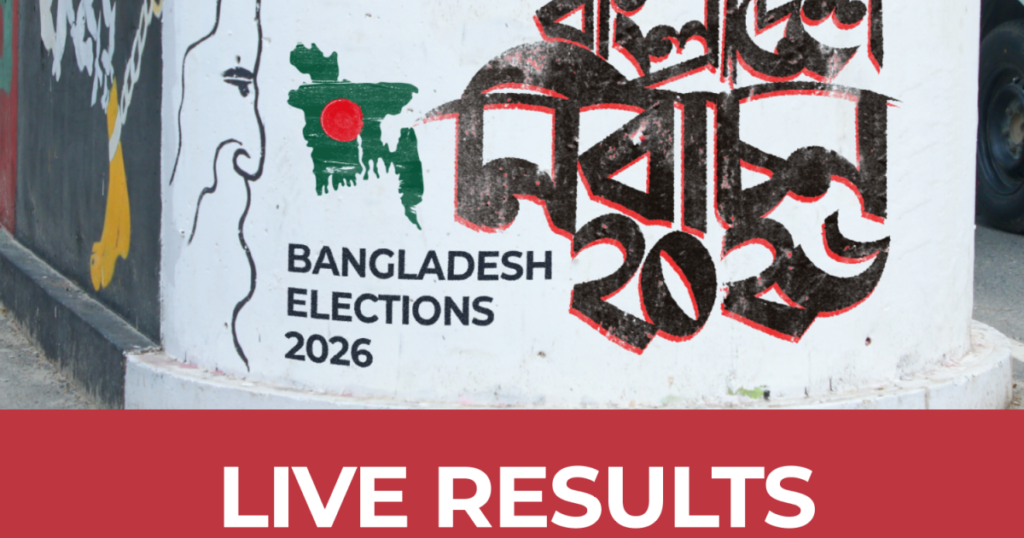
The Bangladesh general election of 2026 is a pivotal event, with nearly 127 million eligible voters heading to the polls. This election will determine the next prime minister and the composition of the national parliament for a tenure of five years. The stakes are high as the country’s political landscape could see significant shifts based on the election outcomes.
Bangladesh, a nation known for its vibrant democratic processes, has consistently shown high voter engagement, and this election is no exception. The number of eligible voters, close to 127 million, highlights the massive scale of this democratic exercise. This figure underscores the importance of every single vote in shaping the nation’s future.
The process involves electing representatives to the Jatiya Sangsad, the national parliament, which in turn paves the path for forming the government. The political parties involved include the major players who have been influential in shaping Bangladesh’s policies and development over the years.
As the votes are being counted live, the results by the numbers offer a detailed view of how various parties and candidates are performing across different constituencies. The live tracking of results allows citizens and observers to stay updated on the emerging trends and potential shifts in power.
The election coverage extends beyond just the final tally; it provides insights into voter turnout percentages, the distribution of votes among parties, and the comparative performance of incumbents versus newcomers. These statistics are crucial for understanding the public sentiment and the political climate in different regions.
Moreover, the election commission has implemented measures to ensure the transparency and fairness of the process, which is essential for the legitimacy of the results. International observers and media are closely monitoring the situation to report on the credibility of the election.
As results pour in, early indications may suggest leads for certain parties or coalitions, but the final outcome will only be clear once all constituencies have reported their votes. Analysts and political commentators will be dissecting the numbers to forecast the policy directions and governance style of the new government.
This election also reflects the democratic maturity of Bangladesh, with peaceful voting processes and active civic engagement despite the large scale of participation. The outcome will influence the country’s trajectory on economic policies, international relations, and social progress for the next five years.
In summary, the Bangladesh 2026 election live results, represented by the numbers, are more than just a tally. They are a barometer of the people’s mandate, a reflection of political dynamics, and a decisive moment in the nation’s democratic journey.