Bangladesh is gearing up for a crucial national election, held under heightened security measures, marking the first vote since the significant 2024 uprising that ended the 15-year rule of Prime Minister Sheikh Hasina. The election is a pivotal moment in the country’s political landscape as citizens prepare to choose their next leaders in a climate shaped by recent unrest and calls for political reform.
The 2024 uprising was characterized by widespread demonstrations and civil disobedience, driven by public dissatisfaction over governance, corruption, and economic challenges. It culminated in the removal of the long-standing Prime Minister Sheikh Hasina, signaling a major shift in Bangladesh’s political order.
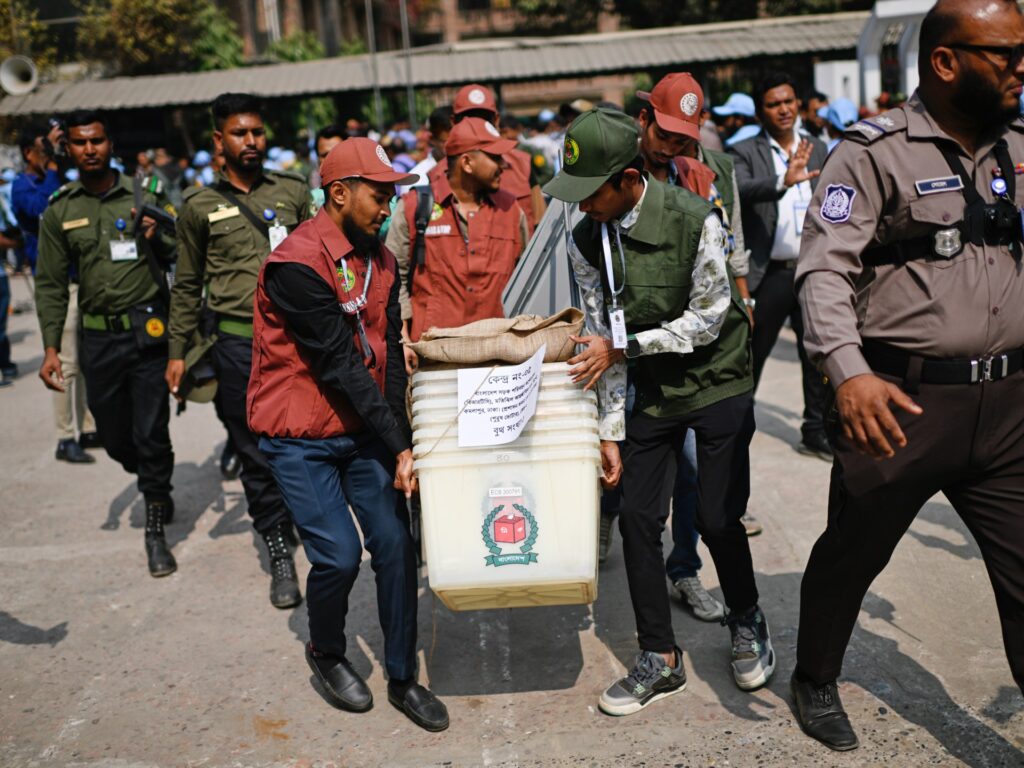
In response to ongoing tensions and to ensure a peaceful election process, the government has deployed additional security forces across key locations. Police and military personnel are working together to maintain order, protect polling stations, and prevent any potential outbreaks of violence or disruption.
Election officials have reported that preparations are underway with a focus on transparency and fairness. Independent observers and international monitors have been invited to oversee the voting process, aiming to instill confidence among the electorate and the global community.
The election holds particular significance as it tests the resilience of the democratic process in Bangladesh after a period of political upheaval. It is anticipated that multiple political parties will compete vigorously for power, reflecting a broader debate about the country’s future direction and governance.
Experts suggest that the smooth conduct of this election could pave the way for political stability and economic recovery. Conversely, any electoral disputes or violence could exacerbate existing divisions and hinder national progress.
Public interest in the election is exceptionally high, with voter turnout expected to be robust. Many citizens view the election as an opportunity to influence meaningful change and hold leaders accountable.
The international community has expressed cautious optimism about the election, emphasizing the importance of peaceful participation and respect for democratic principles. Various countries and organizations have extended their support and offered assistance to ensure an inclusive and credible voting process.
Overall, Bangladesh’s tightened security measures underscore the seriousness with which the government and stakeholders are approaching this historic election. As the nation navigates this critical juncture, the outcomes will likely shape the political, social, and economic trajectory of Bangladesh for years to come.