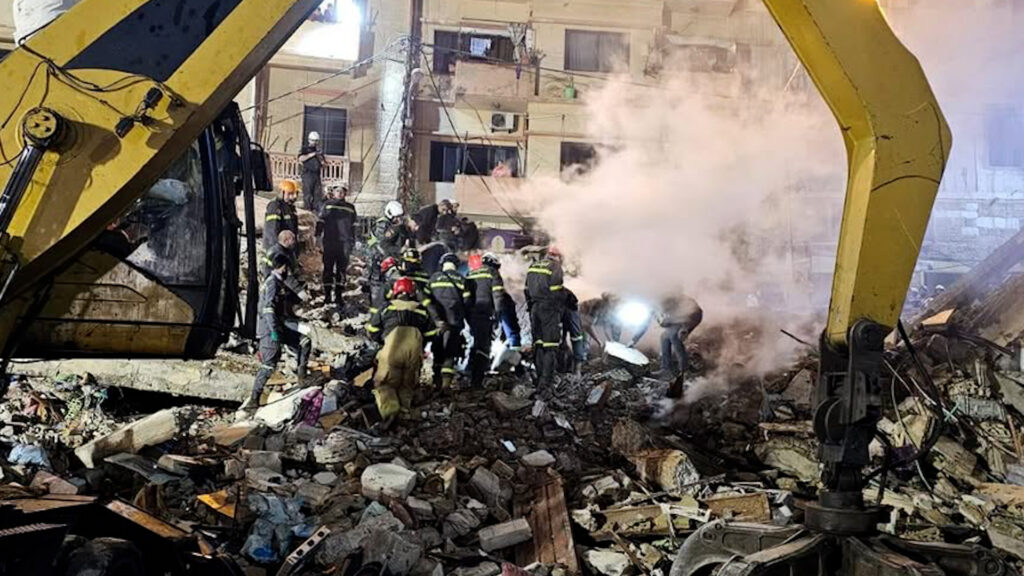
In a devastating incident in the northern city of Tripoli, Lebanon, a multi-storey apartment building suddenly collapsed, resulting in the deaths of at least 14 people. The tragedy has sent shockwaves through the local community and raised urgent concerns about building safety standards in the region.
The collapse occurred without warning, trapping residents under the rubble. Emergency responders were quick to arrive at the scene, immediately commencing rescue operations to locate survivors and recover the deceased. Despite their efforts, early reports confirm that at least 14 individuals lost their lives in the disaster.
Authorities suspect that structural weaknesses and poor construction practices may have contributed to the catastrophic failure of the building. Lebanon, particularly in urban areas like Tripoli, has faced ongoing challenges with regulatory enforcement and ensuring that buildings comply with safety codes. This incident has spotlighted those issues with tragic consequences.
Residents of the collapsed building and surrounding neighborhoods expressed deep shock and grief. Many are calling for a thorough investigation into the collapse to hold responsible parties accountable and to prevent such tragedies in the future.
Local government officials have pledged to conduct a comprehensive inquiry and to reassess the integrity of other buildings in the area that might be at risk. They also promised to enhance building inspection protocols and enforce stricter safety regulations moving forward.
This disaster comes amid Lebanon’s broader economic and infrastructural hardships, which have strained public services and regulatory bodies. The need to address unsafe construction practices and improve urban planning has become more urgent than ever.
Humanitarian groups are mobilizing to support the victims and their families, providing emergency aid, shelter, and psychological support to those affected by the catastrophe.
As rescue teams continue their work, the Lebanese nation mourns the lives lost and hopes for a swift recovery for those injured and displaced. This tragic event underscores the critical importance of stringent building safety standards and robust urban management to safeguard communities from preventable disasters.
Moving forward, the incident serves as a solemn reminder of the dangers posed by neglecting infrastructure safety, emphasizing the essential role of government oversight and community vigilance in protecting lives.