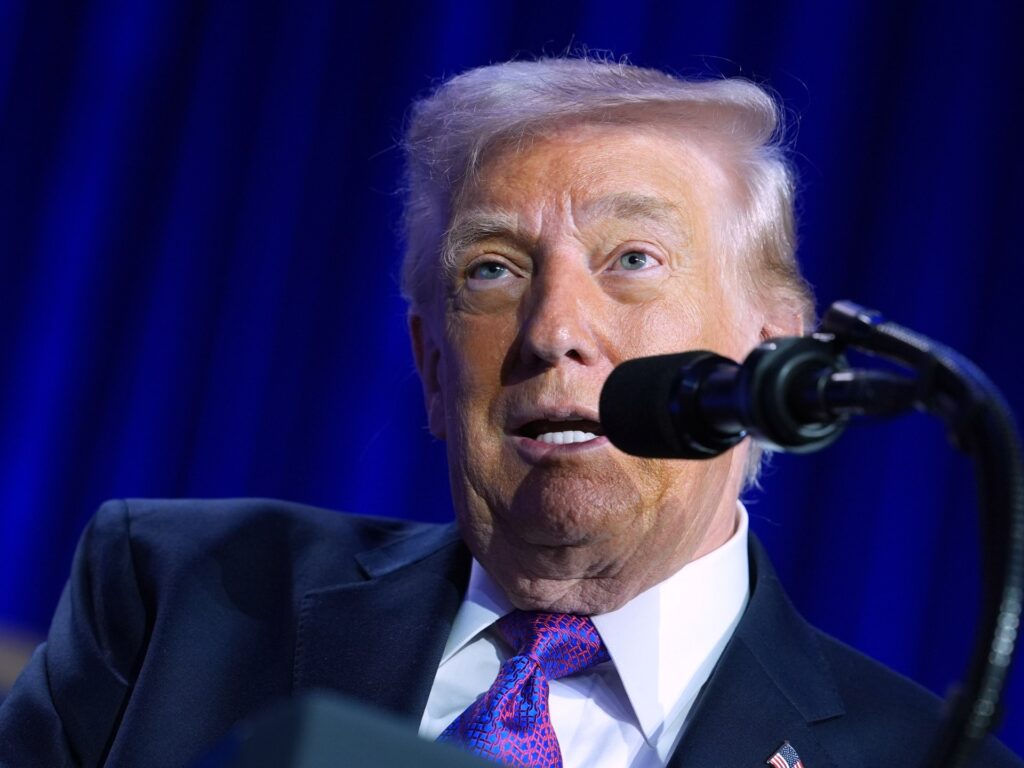
Recent negotiations between the United States and Iran, held in Oman, face significant uncertainty as analysts point to the ambiguous and demanding stance of former President Donald Trump as a destabilizing factor. Trump’s ‘maximalist demands’—a term used to describe his extensive and uncompromising set of conditions for engagement—have injected doubt regarding the viability of meaningful progress in the talks.
The diplomatic efforts aimed at resolving tensions between the US and Iran have encountered numerous obstacles, but the current impasse is largely attributed to the unclear strategic approach from the American side. Trump’s posture is criticized for lacking a coherent plan, which complicates the negotiation dynamics and undermines trust.
In the context of these talks, Iran is experiencing profound internal unrest, with widespread protests challenging the regime. Concurrently, military activities along the region’s strategic zones have intensified, further escalating tensions. Analysts argue that the convergence of internal dissent and external pressures necessitates a measured and clear diplomatic framework, yet the US stance appears counterproductive.
Observers note that Trump’s emphasis on maximalist conditions risks alienating Iranian negotiators who seek a pragmatic path forward. This approach could drag talks into protracted stalemates or outright collapse, potentially reversing any diplomatic gains made in previous discussions.
Moreover, the Iranian government’s response to the protests and military posturing has been one of heightened defensiveness, making flexibility in negotiations less likely. The intersection of domestic upheaval and international rhetoric creates a volatile environment where diplomatic breakthroughs are challenging.
International actors monitoring the situation express concerns that the lack of clarity and the aggressive negotiating posture might increase regional instability. They emphasize the importance of nuanced diplomacy that respects the complexities on both sides.
The ongoing US-Iran talks in Oman remain a critical opportunity to prevent further escalation in the Middle East. However, the success of these negotiations hinges on the development of a clear, realistic strategy and a willingness to compromise, qualities that analysts find lacking in the current US approach.
As the talks continue, global attention will focus on whether the parties can move beyond maximalist demands and hostile posturing to forge a sustainable engagement framework. Failure to do so could risk entrenching conflict dynamics, affecting not only bilateral relations but also broader regional security.
In summary, Trump’s maximalist demands and an ambiguous US strategy are currently undermining the US-Iran negotiations held in Oman. Combined with Iran’s internal protests and military readiness, these factors contribute to an uncertain outlook for diplomatic success, with significant implications for regional and international stability.