The Rafah crossing, a critical gateway for Palestinians in Gaza, is currently subject to stringent restrictions imposed by Israel. These measures severely limit the movement of people and goods, exacerbating the already challenging humanitarian situation in the region. Palestinians looking to leave or enter Gaza through the Rafah crossing face numerous obstacles as Israel tightens control over what can be brought in or out. The crossing, which serves as one of the few entry and exit points for the Gaza Strip, has long been a focal point in the ongoing conflict, and the recent restrictions mark a significant escalation in movement limitations.
The tightening of restrictions impacts not only the flow of essential goods but also restricts medical supplies, food, and other critical resources necessary for daily life. This has led to growing concerns among humanitarian organizations about worsening conditions for civilians in Gaza, where access to basic services is already limited.
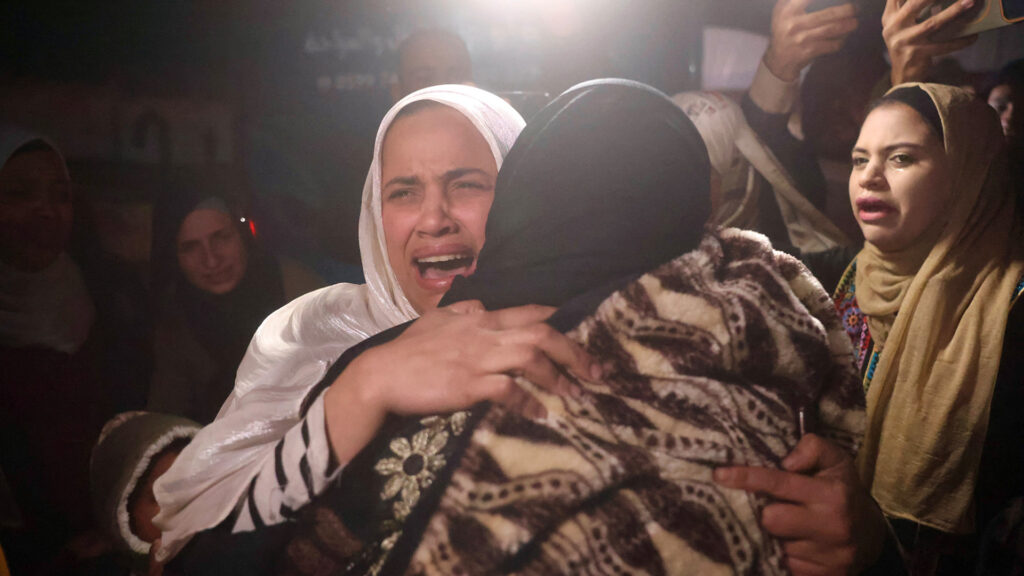
Travel for Palestinians is also severely curtailed, with many unable to leave Gaza for medical treatment, education, work, or family reasons. The restrictions disrupt lives and separate families at a time when the region is under tremendous strain.
Israel’s justification for these measures is often linked to security concerns, citing the need to prevent the smuggling of weapons and materials that could be used for attacks. However, critics argue that the restrictions are excessively harsh and contribute to collective punishment of the civilian population.
The Rafah crossing, operated by Egypt on its side, has been a lifeline for Gaza’s residents, providing crucial access to the outside world amid the blockade. Coordination between Israel and Egypt on border policies has become a critical factor influencing the movement of people and goods.
The current situation underscores the complexity of the political and security environment in Gaza, where humanitarian needs and security demands are deeply intertwined. International calls for easing restrictions and ensuring humanitarian access continue to grow.
Efforts by international organizations to negotiate more flexible crossing conditions have faced significant challenges, with political and security considerations often hindering progress. Meanwhile, the population in Gaza continues to endure the consequences of limited access and restricted movement.
The state of the Rafah crossing remains a barometer of the broader conflict dynamics in the region, reflecting ongoing tensions and the urgent need for a sustainable resolution that balances security with humanitarian imperatives. Until substantive changes occur, Palestinians in Gaza will remain constrained by the severe restrictions at Rafah, with significant implications for their daily lives and well-being.