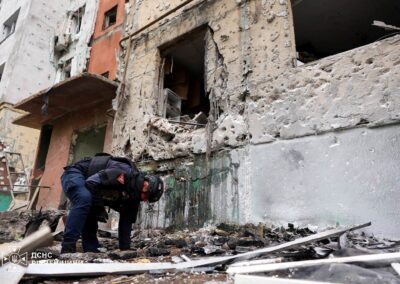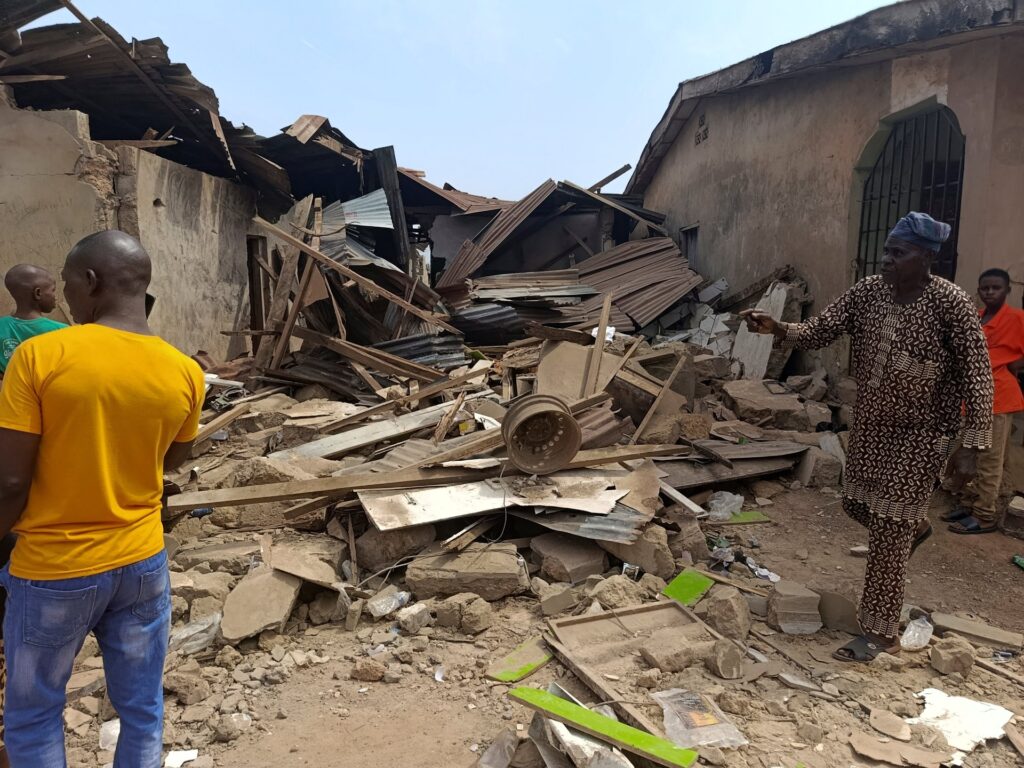
In a tragic and violent incident, armed men attacked Woro, a remote village in north-central Kwara State, Nigeria, resulting in the deaths of over 30 people. According to local authorities, these gunmen not only killed residents but also set fire to multiple homes and shops in the village. Woro, located near the border with Niger State, has been vulnerable to such attacks, which have intensified concerns about security in the region.
The attack unfolded when the gunmen descended on the village, unleashing terror on the inhabitants. Villagers were caught off guard as the assailants carried out the killings and the arson, leaving behind a scene of devastation and fear. The destruction of property has compounded the suffering of survivors, many of whom have lost everything they owned.
Authorities are currently investigating the incident and are working to restore order and provide aid to those affected. The motive behind the attack has not been officially confirmed, but such incidents have been linked to regional conflicts and criminal activities, including banditry and communal clashes.
Kwara State officials have condemned the violence and pledged to enhance security measures to protect vulnerable communities. They have also called for calm and cooperation from residents as the authorities seek to bring the perpetrators to justice. Security forces have reportedly increased their presence in the area to prevent further attacks and to support humanitarian relief efforts.
This attack comes amid a broader context of insecurity in parts of Nigeria, where armed groups have frequently targeted civilians, causing displacement and widespread distress. The government faces significant challenges in combating these threats and ensuring the safety of all citizens.
Local leaders and residents are urging for more robust government intervention and community-based strategies to address the root causes of such violence and to promote long-term peace and stability in the region.
The people of Woro are now in need of urgent assistance to rebuild their homes and livelihoods as they try to recover from this traumatic event. The international community and humanitarian organizations may need to step in to provide support during this critical period.
As investigations continue, the incident serves as a somber reminder of the persistent security issues facing Nigeria’s rural communities and the urgent necessity for comprehensive solutions to safeguard lives and property.