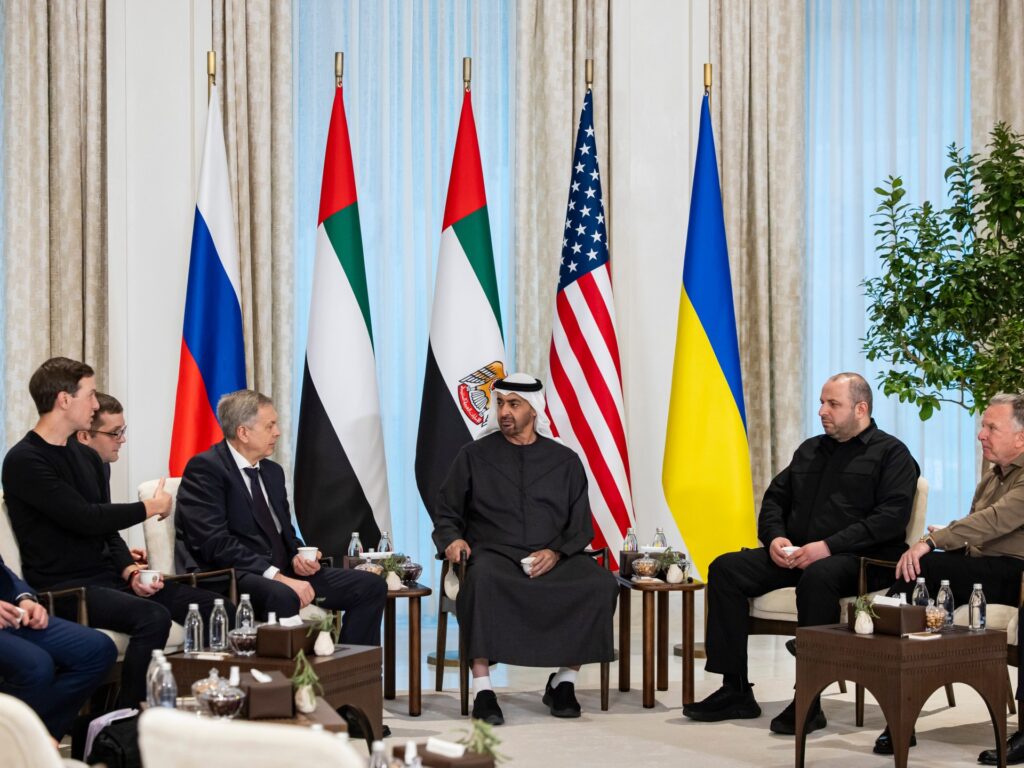
The second round of peace talks between Russia and Ukraine has commenced in Abu Dhabi, marking a significant yet cautious step toward resolving the ongoing conflict. These negotiations follow earlier discussions and aim to address some of the most contentious issues that have prolonged the war.
The primary obstacle remains the long-term fate of the territories in eastern Ukraine, which have been at the center of the conflict since its escalation. The region, known for its strategic and economic importance, has seen fierce battles and shifts in control, making consensus difficult to achieve.
Officials from both sides met in the neutral setting of Abu Dhabi to continue dialogue, hoping to bridge differences and pave the way for a sustainable peace agreement. Despite the challenges, there is cautious optimism that diplomatic efforts might yield progress where military measures have stalled.
The talks are being carefully monitored by the international community, with many countries advocating for a peaceful resolution to avoid further humanitarian crises and economic disruptions.
Previous rounds of negotiations have included discussions on ceasefires, prisoner exchanges, and humanitarian aid corridors, but the core issue of territorial sovereignty remains unresolved. Both Russia and Ukraine have maintained firm positions, reflecting national interests and security concerns.
The negotiations also underscore the complexity of the conflict, involving historical grievances, geopolitical dynamics, and the aspirations of local populations. The outcome of these talks could have far-reaching implications for regional stability and international relations.
Observers note that progress in Abu Dhabi could encourage further diplomatic engagement, potentially involving broader multilateral frameworks and support from international organizations.
As the dialogues continue, the focus remains on achieving a balanced approach that respects Ukraine’s territorial integrity while addressing Russia’s security concerns.
Stakeholders emphasize the importance of sustained communication and compromise to avoid a protracted stalemate and the risk of renewed hostilities.
The peace talks in Abu Dhabi represent a critical juncture in the Russia-Ukraine conflict, with hopes that diplomacy will lead to a durable solution that benefits all parties involved and contributes to lasting peace in the region.