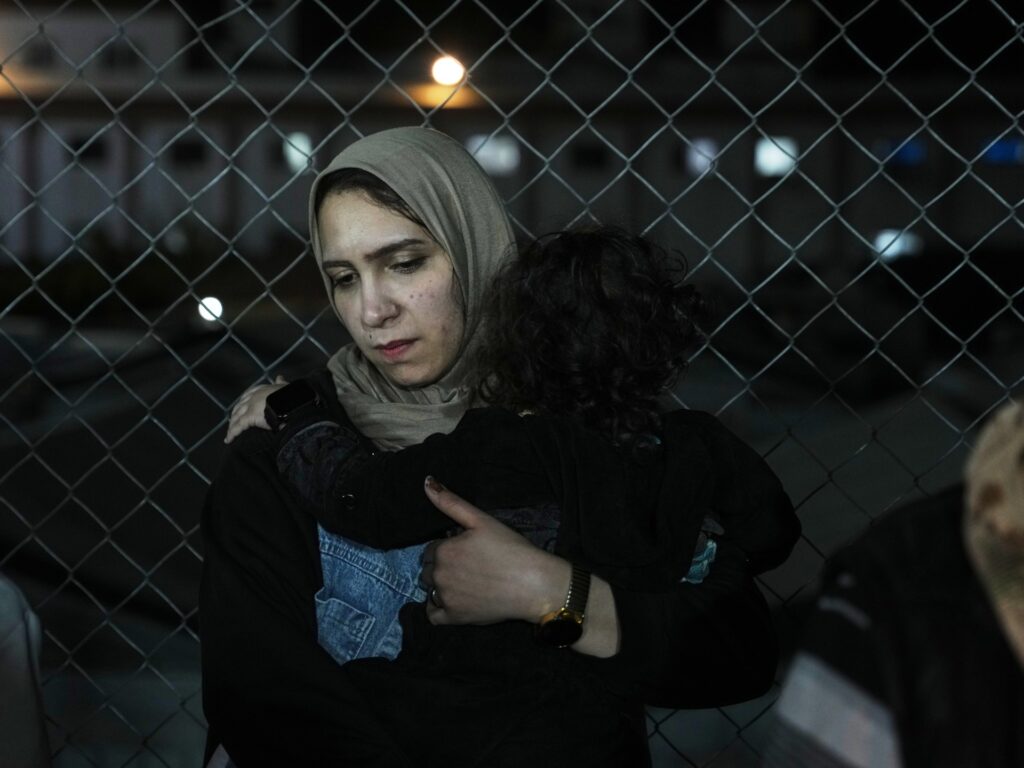
The Gaza Strip witnessed one of its deadliest days since the ceasefire, as Israeli military operations resulted in the deaths of at least 18 Palestinians, including two children. The intensified attacks have raised alarm internationally and heightened tensions in a region already fraught with conflict. The city of Rafah, in particular, has faced strict restrictions, compounding the humanitarian crisis in Gaza. This surge in violence comes amidst ongoing efforts to maintain the fragile ceasefire, which has seen repeated violations over recent months. Residents of Gaza have expressed deep fears for their safety as airstrikes and shelling continued without respite. Medical facilities in Gaza are reportedly overwhelmed, struggling to treat the wounded and manage the influx of casualties. The attacks have targeted various locations across Gaza, with Israeli forces citing security concerns and a need to neutralize militant threats as justification. However, civilian casualties have sparked widespread condemnation from human rights organizations and international actors calling for restraint and adherence to international law. The deaths of two children during these attacks have been particularly highlighted as evidence of the devastating impact on innocent civilians. Humanitarian aid agencies have reported difficulties in delivering essential supplies due to the operational restrictions and escalation in hostilities. The Rafah crossing, a critical point for movement and aid into Gaza, remains heavily restricted, severely limiting access for injured Palestinians to receive medical treatment outside the besieged area. The ongoing violence threatens to destabilize the region further, undermining recent diplomatic efforts aimed at securing long-term peace. Political leaders around the world have urged both sides to de-escalate tensions and return to negotiation tables to prevent further loss of life. The international community is closely monitoring the situation, with calls for an immediate halt to attacks and a renewed commitment to uphold a sustainable ceasefire. The human toll from the attacks underscores the urgent need for renewed diplomatic engagement and humanitarian support to address the crisis gripping Gaza. As casualties continue to rise, the prospects for peace remain precarious, highlighting the deep-rooted challenges in resolving the Israeli-Palestinian conflict. The recent events have reemphasized the devastating consequences of military actions in densely populated areas, where civilians bear the brunt of the violence. Efforts to protect non-combatants and ensure safe passage for humanitarian aid are central to mitigating the impact on vulnerable populations. The Rafah restrictions and the accompanying military operations depict a grim reality for Palestinians caught in the crossfire and raise critical questions about the future of the ceasefire agreement. As Gaza confronts these challenges, international organizations are calling for increased support and protection for civilians to prevent further humanitarian disasters. The situation remains fluid and unpredictable, with potential implications for broader regional security. In this climate of uncertainty, the voices of affected communities emphasize the urgent need for peace, justice, and an end to cycles of violence that have plagued the region for decades.