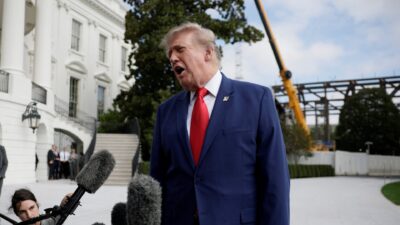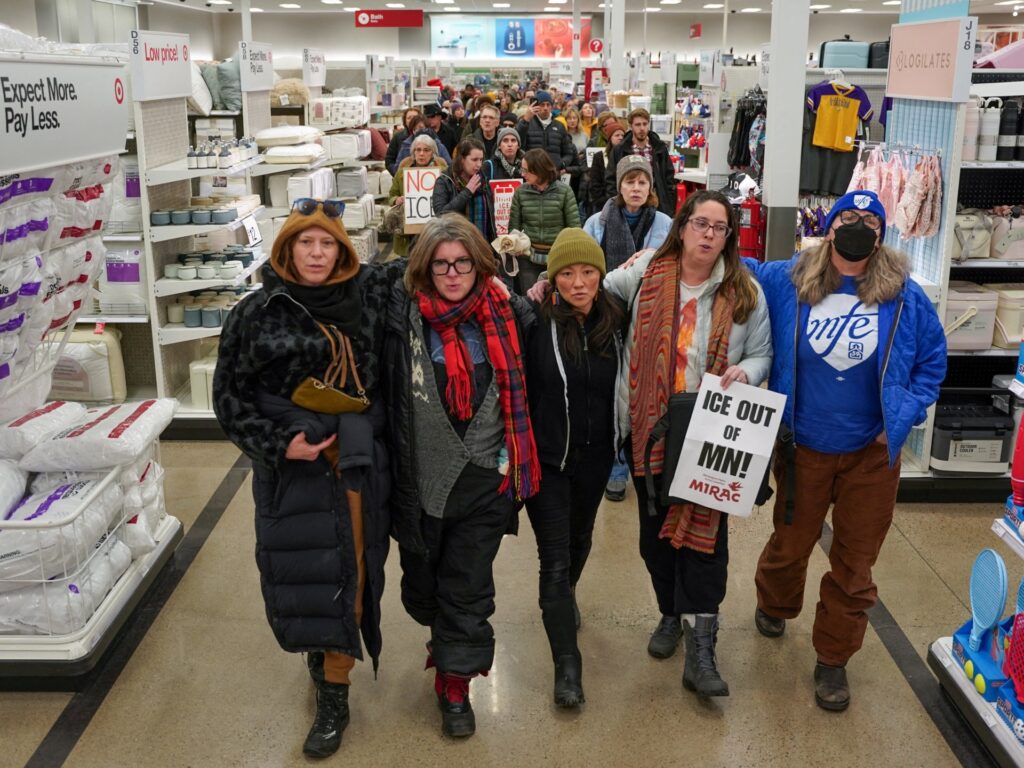
In a significant shift of policy, President Donald Trump has ordered federal agents to refrain from intervening in protests in cities run by Democratic administrations. This directive comes amidst escalating criticism of the Trump administration’s aggressive immigration enforcement tactics, which have resulted in fatalities and widespread unrest in several Democratic-governed urban areas.
The announcement marks a departure from previous weeks when federal agents were deployed to cities such as Portland and Seattle to handle protests, especially those associated with immigration and racial justice. The presence of federal law enforcement officers in these cities sparked confrontations and intensified tensions between protesters and authorities.
Critics of the administration have condemned the use of force and the injection of federal agents into city streets without clear coordination with local officials. Many view the crackdown as excessive and politically motivated, targeting cities that oppose Trump’s policies.
By ordering federal agents to stay away from protests in Democratic cities, the Trump administration appears to be responding to mounting pressure from local leaders, civil rights groups, and the general public. This move aims to ease the political and social unrest while addressing the controversy surrounding law enforcement’s role in managing protests.
Democratic mayors and governors have welcomed the decision, citing the importance of maintaining local control over law enforcement and ensuring the safety of their communities without outside interference. The directive also reflects growing demands for police reform and accountability in how protests and civil unrest are handled nationwide.
While the order limits federal agents’ involvement in protests, immigration enforcement continues to remain a priority for the administration. However, the approach to managing protests surrounding immigration issues will now emphasize collaboration and de-escalation rather than aggressive federal intervention.
This policy change arrives at a time when the nation is deeply divided over immigration, racial justice, and law enforcement practices. The Trump administration’s earlier hardline stance drew criticism from both domestic and international observers for exacerbating tensions and leading to violence.
Moving forward, the administration will likely face ongoing challenges balancing immigration enforcement with respect for civil liberties and local governance. The decision to pull back federal agents from Democratic-led cities may signal a broader attempt to recalibrate strategies amid a politically charged environment.
As protests continue across the country, the role of federal agents and their interaction with local authorities remains a critical aspect of the national conversation on law enforcement and civil rights. The recent order reflects an evolving approach to managing these complex issues in the lead-up to approaching elections and amidst growing public scrutiny.