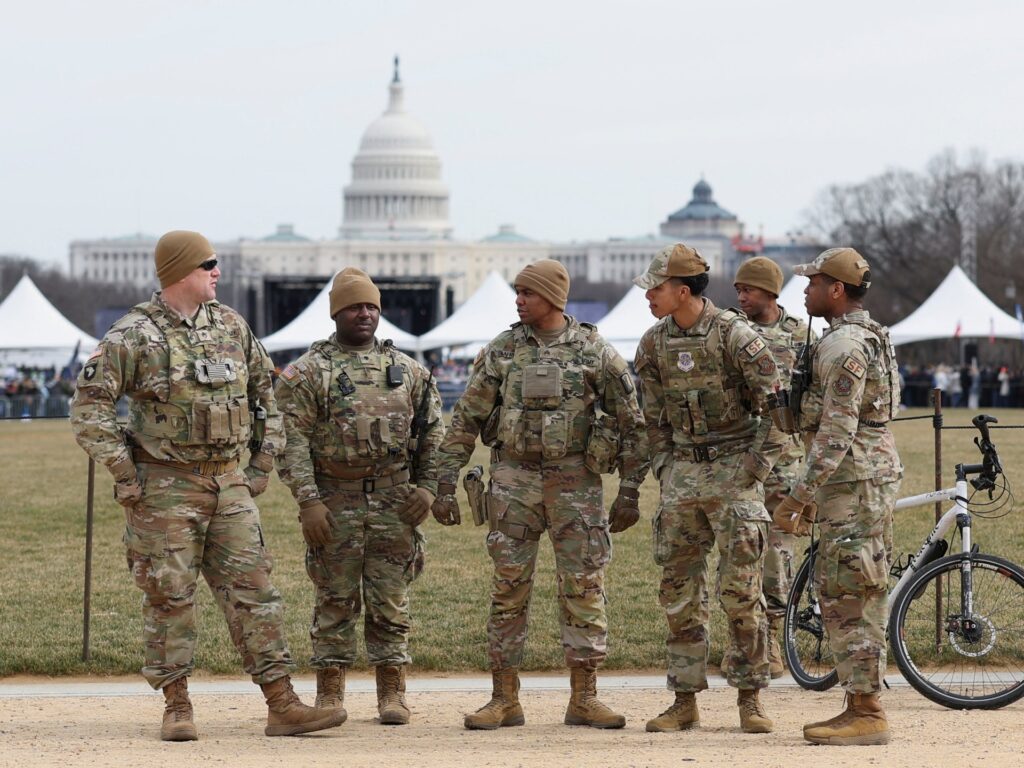
In 2025, military operations conducted under the directive of former President Donald Trump in several U.S. cities have resulted in significant expenditures amounting close to $500 million. According to the Congressional Budget Office (CBO), the ongoing deployment of troops and related military activities in urban areas are costing the government approximately $93 million each month.
The deployment stems from attempts to manage civil unrest, protests, and other security challenges within U.S. cities, a move that has attracted both support and criticism. The operation costs include personnel deployment, logistical support, equipment use, and coordination efforts alongside local law enforcement agencies.
The CBO’s report highlights that if this expenditure rate continues consistently throughout the year, the total annual cost for these operations will approach half a billion dollars. This figure brings to light the financial burden of domestic military involvement and raises questions about the long-term sustainability and necessity of such deployments.
Critics argue that these funds could have been better invested in community programs and policing reforms rather than militarized intervention, which some see as escalating tensions rather than calming them. Supporters maintain that the troop presence is crucial for maintaining law and order amid escalating unrest.
The use of military forces in domestic urban settings is a contentious subject, balancing between ensuring public safety and upholding civil liberties. The Trump administration’s approach has set a precedent that subsequent administrations may consider or reject based on its outcomes and public reception.
As 2025 progresses, lawmakers and citizens alike continue to monitor the situation closely. Discussions about the costs, benefits, and implications of deploying troops within U.S. cities remain highly relevant as the government weighs future decisions regarding domestic security and federal deployment strategies.
The financial implications underscore the need for a clear and transparent policy framework governing military involvement in civilian matters, ensuring accountability and efficient use of taxpayer dollars. The $93 million monthly spend is a substantial allocation of federal resources, prompting renewed debates on how best to secure cities while respecting democratic principles and human rights.
Ultimately, the cost of $500 million serves as a stark reminder of the intersection between national security policy and fiscal responsibility, spotlighting the complex challenges faced when the military is called upon to address domestic issues.