Cuba is facing a critical economic crisis as its main sources of oil are drying up under increasing pressure from former US President Donald Trump’s administration. Two of Cuba’s most significant oil suppliers, Venezuela and Mexico, have been forced to reduce or halt shipments to the island nation due to US sanctions and diplomatic pressure aimed at undermining the communist government.
For years, Cuba has relied heavily on subsidized oil from Venezuela, a close political ally, to fuel its economy, including energy production, transportation, and industry. However, the ongoing political and economic turmoil in Venezuela, compounded by pressure from the US, has led to a serious decline in oil exports to Cuba. The Venezuelan president has faced sanctions that limit his ability to ship crude oil to allies, while US authorities have signaled strict consequences for countries and companies involved in supplying Cuba.
Simultaneously, Mexico, another oil supplier to Cuba, has reduced its shipments significantly, reflecting a change in its foreign policy under the Trump administration’s influence. The reduction in Mexican oil exports has added fuel to Cuba’s economic struggles, which are further worsened by internal inefficiencies and long-standing trade embargoes.
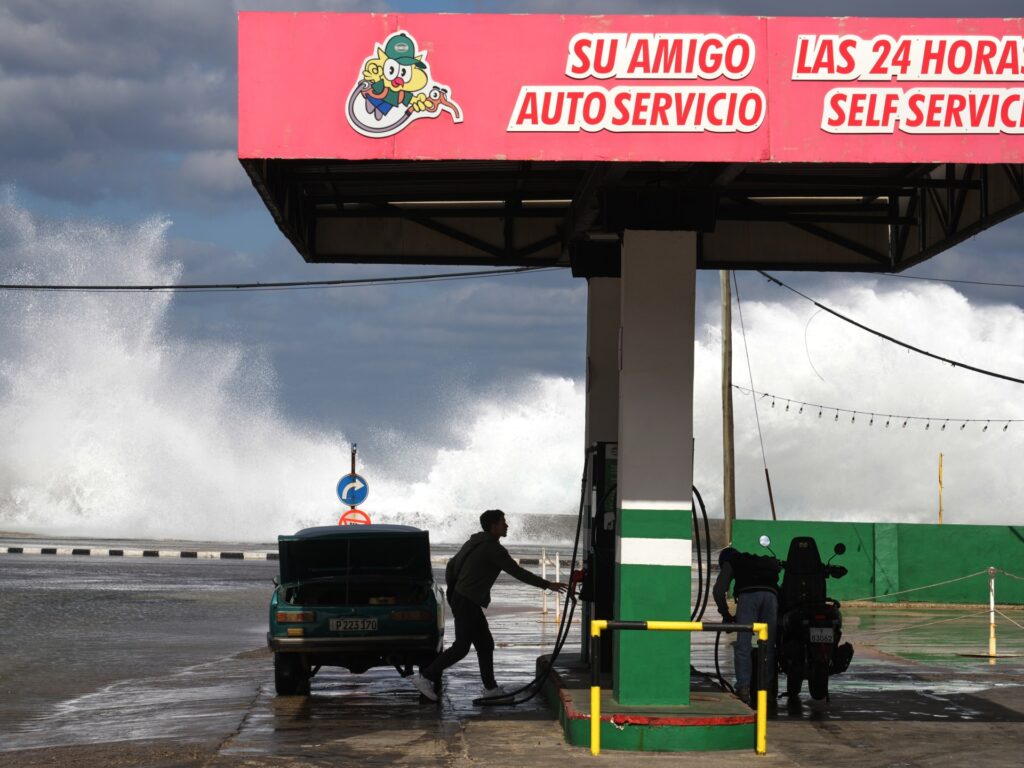
The combination of these factors has left Cuba grappling with acute fuel shortages. These shortages ripple through the island’s economy, throttling electricity production, limiting transportation options, and disrupting the functioning of hospitals and food distribution systems. As a result, Cuba’s economy teeters on the edge of collapse, with many experts warning of a humanitarian crisis if the oil supply situation does not improve.
Trump’s strategy to choke Cuba’s oil supplies forms part of a broader US policy aimed at isolating and weakening the Cuban government by targeting its economic lifelines. The administration has imposed multiple rounds of sanctions designed to restrict access to financial systems, trade routes, and commodity imports, all intensifying pressure on Cuba’s already fragile economy.
The impact extends beyond economics to the geopolitical landscape of Latin America. Venezuela and Mexico face complex pressures balancing their national interests and relations with the United States while trying to maintain historical and regional ties with Cuba. These dynamics continue to shift as the US exerts influence over the hemisphere to curb socialist governments and reassert geopolitical dominance.
Cuba’s leadership has condemned US actions, branding them as economic warfare that hurts ordinary Cuban citizens most. They argue that the sanctions violate international law and humanitarian principles, calling for global solidarity and resistance against the blockade.
In summary, through a combination of sanctions and diplomatic pressure, the Trump administration has significantly disrupted Cuba’s vital oil supply lines from Venezuela and Mexico, pushing the island nation toward an economic crisis with dire humanitarian consequences. The ongoing struggle highlights the profound impact of geopolitical strategies on vulnerable populations and the complex interplay of international relations in the Western Hemisphere.