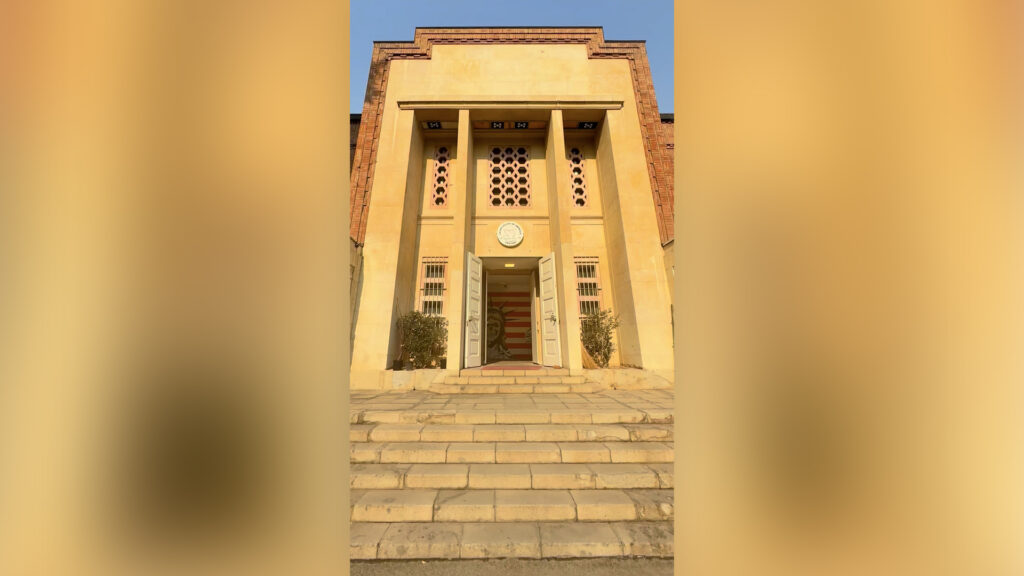
The former US embassy in Tehran stands as a powerful historical symbol of the drastic turn in US-Iranian relations that began in 1979. Al Jazeera’s correspondent Ali Hashem visited the site to explore its significance, the memories it holds, and the current state of this iconic location.
In 1979, the US embassy in Tehran became the epicenter of a major geopolitical crisis when Iranian revolutionaries stormed the building and took American diplomats hostage, marking the beginning of a prolonged period of hostility between the two nations. This event strained diplomatic ties and left lasting scars on US-Iran relations.
Ali Hashem’s visit to the former embassy reveals not only the physical state of the compound but also how it has been preserved as a symbol of resistance against American influence. The site is now a museum and hosts exhibits that reflect the narrative of the revolutionaries, providing visitors with insight into the Iranian perspective on those tumultuous times.
Inside the embassy compound, remnants of the confrontation can still be seen. The walls bear graffiti and propaganda imagery that comment on the revolutionary sentiments of the era. The exhibits include documents, photos, and artifacts related to the hostage crisis, giving a behind-the-scenes glimpse into the historical event.
The atmosphere at the site is charged with historical significance; it serves as a reminder of the deep-seated mistrust and ideological opposition that shaped the course of US-Iran relations for decades. Visitors and observers reflect on how a single event at this location triggered a complex narrative of conflict, negotiation, and intermittent diplomacy.
The embassy itself, once a symbol of American diplomacy, has transformed into a monument of revolutionary zeal. It is a place where history is actively remembered and interpreted within the context of Iranian national identity and political history.
Ali Hashem’s report from the scene also touches on the broader implications of the embassy crisis, highlighting how the standoff influenced international perceptions and policies regarding the Middle East. The episode contributed to a lasting freeze in diplomatic relations and shaped the geopolitical dynamics in the region.
Today, the site is not only a destination for those interested in history but also serves as a case study on how physical spaces embody political memory and national narratives. The former embassy stands as a powerful testament to the complexities of US-Iran relations that continue to resonate in current affairs.