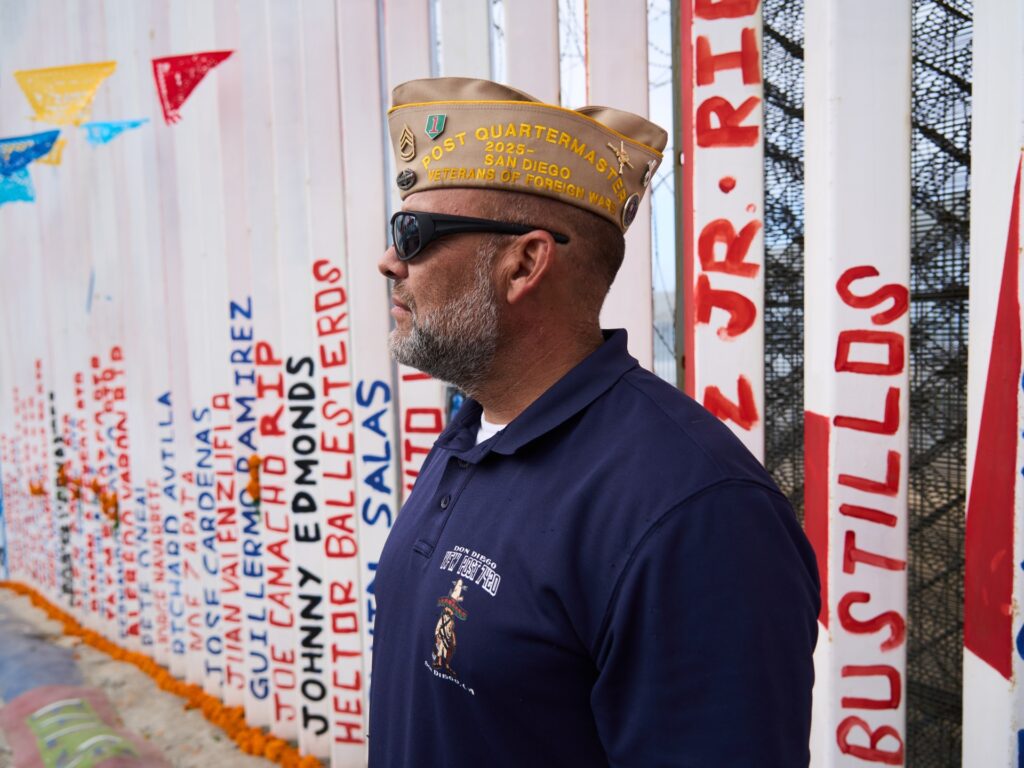
In the wake of former President Donald Trump’s aggressive mass deportation policies, a growing wave of concern has swept through immigrant veterans of the US military. These men and women, who have served their adopted country honorably, now face the unthinkable possibility of being expelled from the nation they fought to protect.
Trump’s tenure was marked by heightened immigration enforcement and policies aimed at reducing undocumented immigration through mass deportations. While much of the focus has traditionally been on undocumented civilians, a lesser-known but deeply troubling consequence has been the impact on immigrant veterans.
Immigrant veterans, many of whom served in combat zones and risked their lives under the US flag, have historically been viewed with respect and gratitude. Many gained citizenship through their military service, and some continue to navigate complex immigration statuses even after honorably completing their terms.
The fear of deportation among these veterans stems from stringent immigration enforcement measures that do not always exempt those who have served in the military. This gap in policy has led to cases where veterans with complicated immigration histories find themselves vulnerable to removal, despite their service and sacrifices.
Legal advocates have sounded the alarm, calling for clearer protections for immigrant veterans. They argue that deporting individuals who have demonstrated loyalty and bravery in the defense of the United States undermines national values and disrespects their sacrifices.
Statistics reveal a significant number of immigrant service members in the armed forces. According to recent data, tens of thousands of immigrants serve actively or in reserve roles, many of whom are on pathways to citizenship. For these individuals, the risk of deportation is not just a legal threat but a personal and emotional crisis.
Veterans like Rosa Maria Hernandez, an immigrant who served two tours in Iraq, express a deep sense of betrayal. “I pledged my life to the US military,” she said in an interview. “Now, I live with the fear that I can be deported despite what I did for this country.”
The push for mass deportations has also raised broader ethical and political debates, with critics pointing to the potential damage to military recruitment and morale. Immigrant communities and veterans groups have launched campaigns urging Congress and the Department of Defense to implement robust measures that protect immigrant service members from deportation.
Furthermore, some veterans face challenges in accessing benefits and legal assistance due to their precarious immigration status. The uncertainty about their future in the United States complicates their transition back to civilian life and their ability to reintegrate into society.
On the legislative front, there have been efforts to pass bills providing stronger safeguards for immigrant veterans. However, progress remains slow amid partisan divisions and competing priorities.
Military officials have also expressed concern about the implications of deporting trained personnel who understand US defense priorities. They argue that such actions could weaken the armed forces’ diversity and readiness.
The conversation around deporting immigrant veterans highlights the complex intersection of immigration enforcement, military service, and national identity. It raises crucial questions about what it means to serve a country and how that service should be honored and protected.
As the Trump administration’s policies have created a climate of fear, immigrant veterans and their advocates continue to fight for recognition, protection, and dignity. Their struggle underscores the need for nuanced immigration reforms that respect the sacrifices of those who bear the uniform.
In conclusion, the possibility of deporting immigrant veterans spotlights an urgent human rights issue. These individuals stand as symbols of loyalty and valor yet face the risk of removal, which could have profound personal and national consequences. The path forward requires thoughtful policy revisions, compassionate leadership, and unwavering support for those who have served the United States with honor.