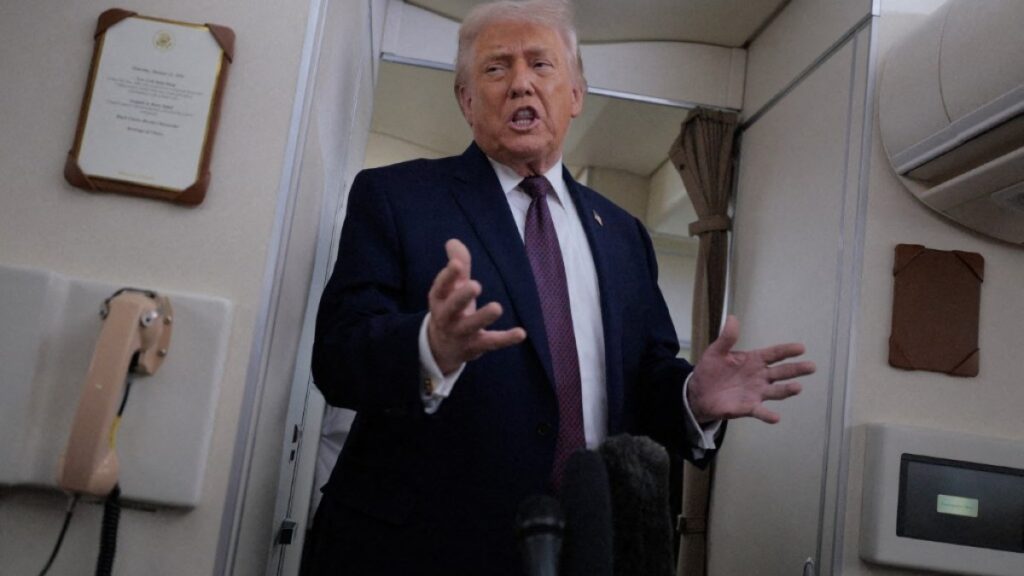
In a recent announcement, President Donald Trump declared that the United States will be raising tariffs on South Korean imports from the previous 15% up to 25%. The decision comes amid rising tensions over trade negotiations and is attributed to South Korea’s failure to ratify a significant trade deal with the US.
According to President Trump, the elevated tariff rate is a strategic move to pressure South Korea into finalizing the trade agreement that has been under discussion. The original tariff stood at 15%, but the intensified rate aims to address what the president views as insufficient progress in trade negotiations.
South Korea is a vital ally of the United States in the Asia-Pacific region, and both countries have had a complex trade relationship characterized by mutual benefits and disputes. The current tariff hike adds a new layer of economic friction that could impact various sectors including automotive, electronics, and steel industries.
The trade deal in question has been in negotiation for several years, and ratification is crucial to unlocking tariff reductions and enhanced market access between the two countries. South Korea’s delay or refusal to ratify the agreement has led to escalating tensions, prompting President Trump to take a more aggressive stance.
Industry leaders and economists have expressed concerns about the possible repercussions of higher tariffs. Increased costs for South Korean goods could lead to higher prices for American consumers and strain the supply chains of many corporations.
Moreover, trade experts warn that the tariff increase might escalate into a broader trade conflict if not resolved promptly. Retaliatory tariffs from South Korea could affect American exports, impacting jobs and economic growth.
While the White House defends the tariff hike as a necessary action to ensure fair trade practices, critics argue that such measures could backfire, leading to increased costs and diminished cooperation between the two countries.
The US administration continues to push for a swift resolution to the trade impasse with South Korea. In parallel, diplomatic efforts are likely to be intensified to bring both parties back to the negotiating table.
The trade relationship between the United States and South Korea is a critical component of regional stability and economic prosperity. As the tariff rates increase to 25%, both nations face a challenging path ahead to restore mutual trust and cooperation.
Observers note that this move by President Trump signals a broader trend of the US adopting a tougher stance on international trade issues. It underscores the administration’s willingness to use economic tools to enforce compliance and secure favorable trade terms.
The global market has responded cautiously to the announcement, with stock prices in related sectors exhibiting volatility. Investors are watching closely to see how this development will influence trade patterns and international relations.
In summary, President Trump’s decision to raise tariffs on South Korea from 15% to 25% marks a significant escalation in trade policy. The move highlights ongoing challenges in bilateral trade negotiations and signals a potential shift towards a more confrontational trade agenda by the US government.
Moving forward, it remains to be seen whether this tariff increase will compel South Korea to ratify the trade deal or trigger further economic tensions. Both countries will need to engage in constructive dialogue to resolve their differences and prevent lasting damage to their trade relationship.