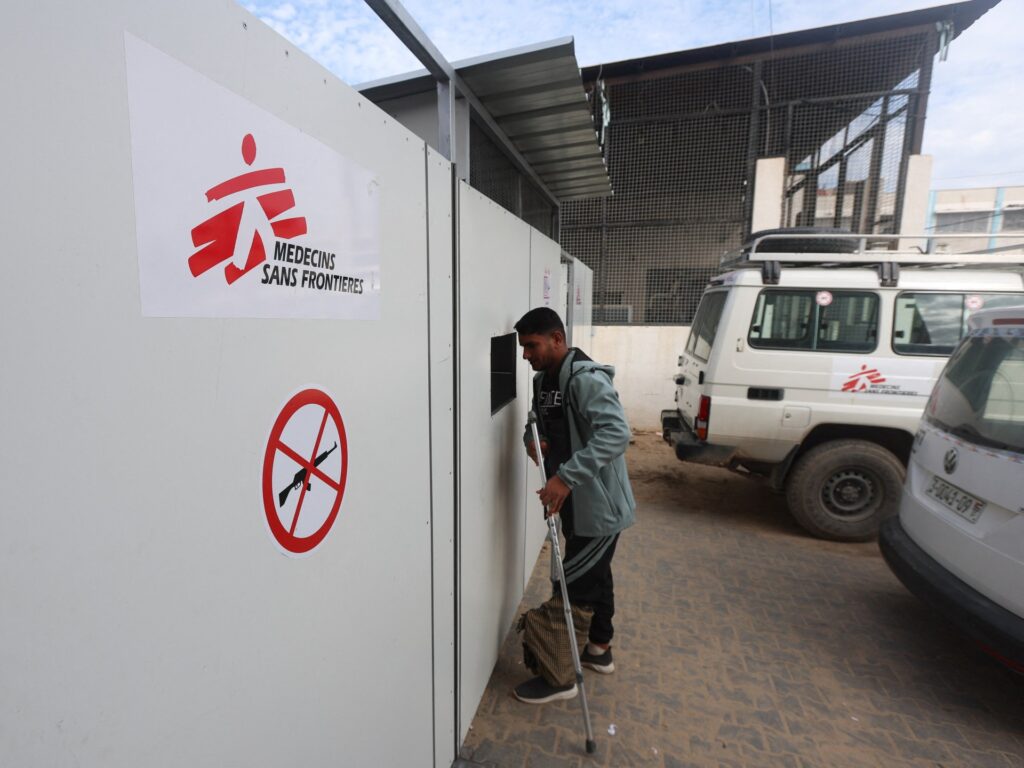
The medical charity Médecins Sans Frontières (MSF) has recently faced widespread condemnation after agreeing to comply with Israel’s demands to hand over personal details of its Palestinian staff. This move has generated significant outrage among human rights advocates, aid organizations, and members of the international community.
MSF, known internationally as Doctors Without Borders, operates in conflict zones worldwide, providing impartial medical aid regardless of political affiliations. Their presence in Palestine is critical, given the ongoing violence and humanitarian crises affecting the region, particularly following recent escalations.
Israel’s demands come amid accusations that Palestinian aid workers have been involved in activities that Israel perceives as security threats. The demands have been described by MSF and other humanitarian entities as “unreasonable,” given the risks posed to local staff by sharing sensitive information.
Human rights organizations highlight a growing pattern of targeting Palestinian medical and aid workers by Israeli forces. This has been particularly alarming since the outbreak of violent confrontations, which many international observers have labeled as genocidal in nature due to the scale and intensity of violence against Palestinian populations.
By agreeing to Israel’s request, MSF risks exposing its staff to potential harassment, detention, or worse. The safety and confidentiality of local medical workers are paramount to enabling them to carry out their life-saving work effectively and without fear. Critics argue that MSF’s decision undermines the principle of neutrality and protection that medical charities must uphold.
Reactions continue to pour in from various corners. Prominent human rights groups describe the decision as a troubling precedent that could compromise the safety of aid workers everywhere in conflict zones. They emphasize that medical personnel should remain neutral parties and should not be compelled to share information that could endanger them or their patients.
On the other hand, some voices within the international community suggest MSF might have faced intense pressure and limited options, given Israel’s control over movement and access in the region.
MSF has stated that it is committed to the safety and dignity of its staff but has been tight-lipped about the negotiations leading to this agreement. They have promised to work towards minimizing any risks to their employees and will continue advocating for the impartial provision of medical aid.
The controversy has sparked a broader debate about the responsibilities and challenges humanitarian organizations face when operating under oppressive or militarized environments. It underscores the complex dynamics between securing operational access and protecting personnel.
In the wider context, the targeting of aid workers aligns with a worrying trend in the Palestine conflict where medical facilities and personnel are increasingly caught in the crossfire or deliberately attacked, affecting an already devastated civilian population.
As the situation unfolds, many call for international legal and diplomatic intervention to ensure the protection of humanitarian workers and reaffirm their rights under international law.
This incident shines a spotlight on the precarious nature of humanitarian efforts in areas of intense and prolonged conflict and raises urgent questions about how best to safeguard the lives and efficacy of those dedicated to saving lives amidst war.