Israel has escalated its military operations in southern Lebanon, continuing a series of intense airstrikes following a day marked by multiple attacks. The sustained bombardment highlights a significant increase in hostilities in the region, reflecting deepening tensions between Israel and militant groups operating in southern Lebanon.
The day began with a series of attacks targeting Israeli positions near the border, prompting a swift and forceful response from the Israeli Defense Forces (IDF). According to military sources, the initial attacks included rocket launches and infiltration attempts aimed at Israeli territory, which were repelled with defensive measures.
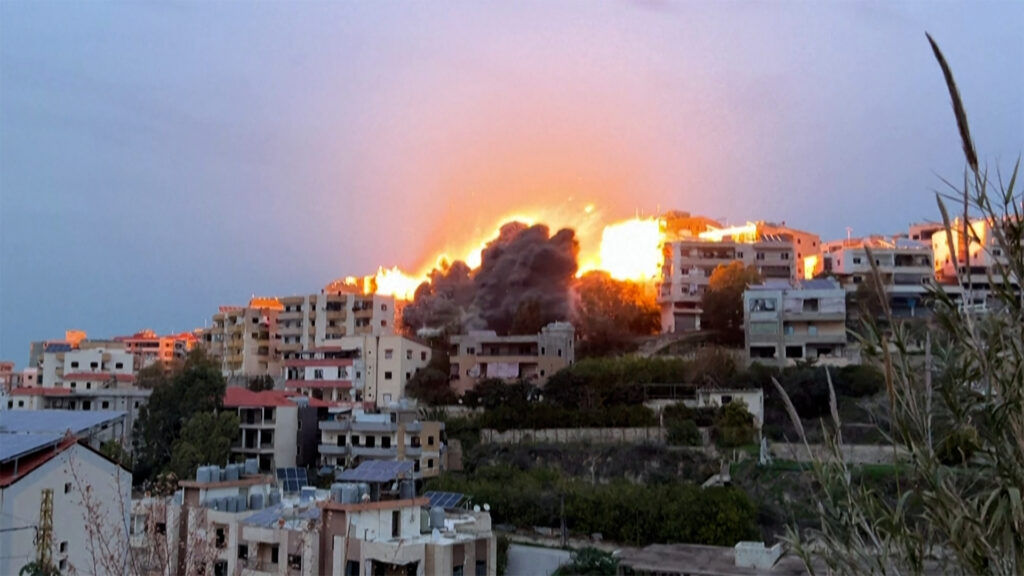
In retaliation, Israel launched extensive air and artillery strikes against multiple targets in southern Lebanon, focusing on what it described as militant infrastructure and weapons storage sites. The IDF affirmed its intent to degrade hostile capabilities and prevent future attacks.
The bombardment extended into the evening, with strikes reported across several locations in southern Lebanon. Local sources report significant damage to infrastructure and casualties among militant groups, though exact figures have not been independently verified.
This escalation follows a pattern of periodic flare-ups in the Israel-Lebanon border area, where various factions, including Hezbollah and other militant groups, have a strong presence. The recent attacks and counterattacks signal a volatile security situation that risks broader regional instability.
International observers have expressed concern over the potential for the conflict to widen. Calls for restraint and dialogue have come from the United Nations and neighboring countries, urging both sides to de-escalate tensions and seek diplomatic solutions.
In Israel, the government has defended its military actions as necessary to safeguard national security and protect its citizens from cross-border threats. Meanwhile, Lebanese authorities have condemned the strikes, denouncing them as violations of sovereignty and raising fears of civilian casualties.
The ongoing strikes are expected to exacerbate humanitarian challenges in southern Lebanon, a region already grappling with economic difficulties and displaced populations. Aid organizations are monitoring the situation closely, preparing to respond to possible increases in civilian needs.
As the conflict unfolds, analysts underscore the importance of regional dialogue to address the underlying causes of violence and prevent further escalation. The situation remains fluid, with both sides maintaining high alert as night falls on the border zone.
The international community continues to watch developments closely, emphasizing the urgent need for restraint to prevent a broader conflict in the already volatile Middle East region.