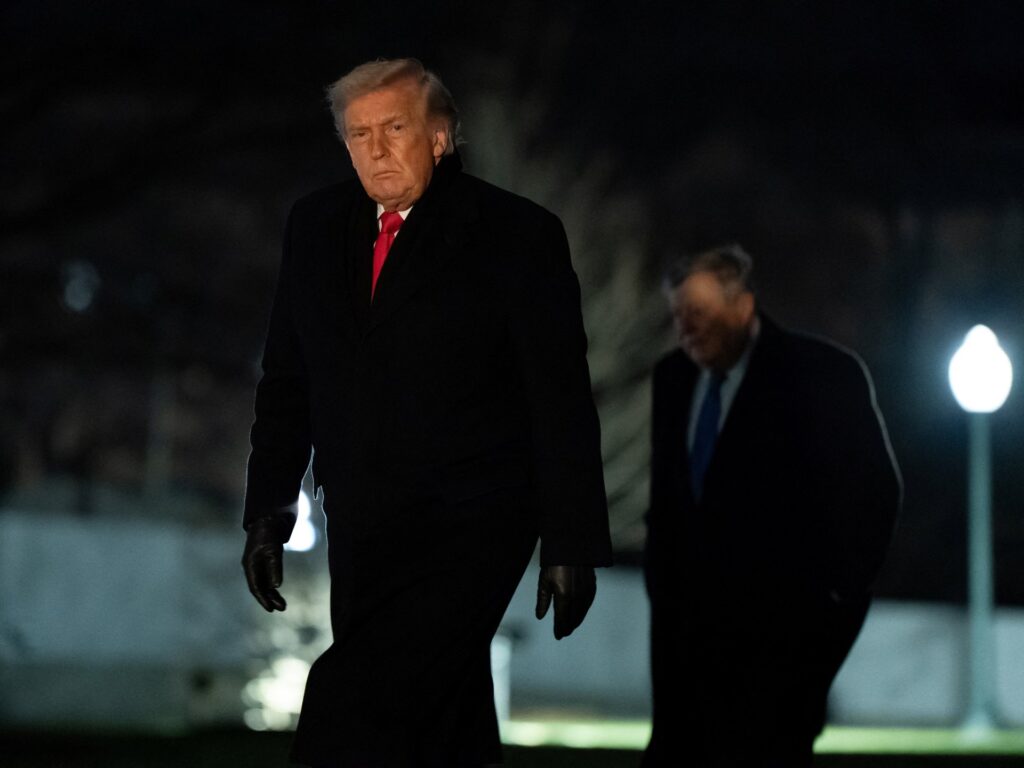
In a series of provocative social media posts, US President Donald Trump has escalated tensions with key allies the United Kingdom and France just days before his scheduled visit to the World Economic Forum in Davos. Trump’s messages notably included criticism regarding the UK’s handling of the Brexit situation as well as remarks that appeared to undercut France’s position on various international issues.
One of the more striking provocations pertained to Greenland, a strategically important territory whose ownership and geopolitical significance have attracted global attention since Trump previously proposed purchasing it. His recent posts revisited the topic, framing it in a manner that many interpret as a direct challenge to Denmark, Greenland’s sovereign nation.
The timing of these messages has raised eyebrows among international observers, as the World Economic Forum is traditionally a platform for collaboration and diplomacy among world leaders. Analysts suggest that Trump’s approach could undermine ongoing efforts to strengthen alliances and promote cooperative solutions to global challenges.
In addition to straining relations with the UK and France, Trump’s comments may complicate US relations with other European nations, which have been pivotal partners in addressing economic and security issues. The White House has yet to clarify whether these social media posts are indicative of a broader diplomatic strategy or represent off-the-cuff remarks by the President.
Political commentators highlight that while Trump’s unorthodox communication style has been a hallmark of his presidency, the implications of alienating traditional allies ahead of key international engagements could have lasting repercussions. The UK’s government responded cautiously, emphasizing the importance of the ‘special relationship’ between London and Washington, while French officials expressed concern about the potential impact on European unity.
As the countdown to Davos continues, global leaders are watching closely to see how Trump’s stance will shape the agenda and whether it will impede the collaborative spirit necessary for addressing pressing issues such as climate change, trade negotiations, and international security.
The situation underscores the complexities of modern diplomatic relations in an era where social media amplifies every statement, often blurring the lines between personal opinion and official policy. Observers remain keenly interested in the developments at Davos, anticipating how the US president’s rhetoric will influence alliance dynamics and the future course of international cooperation.