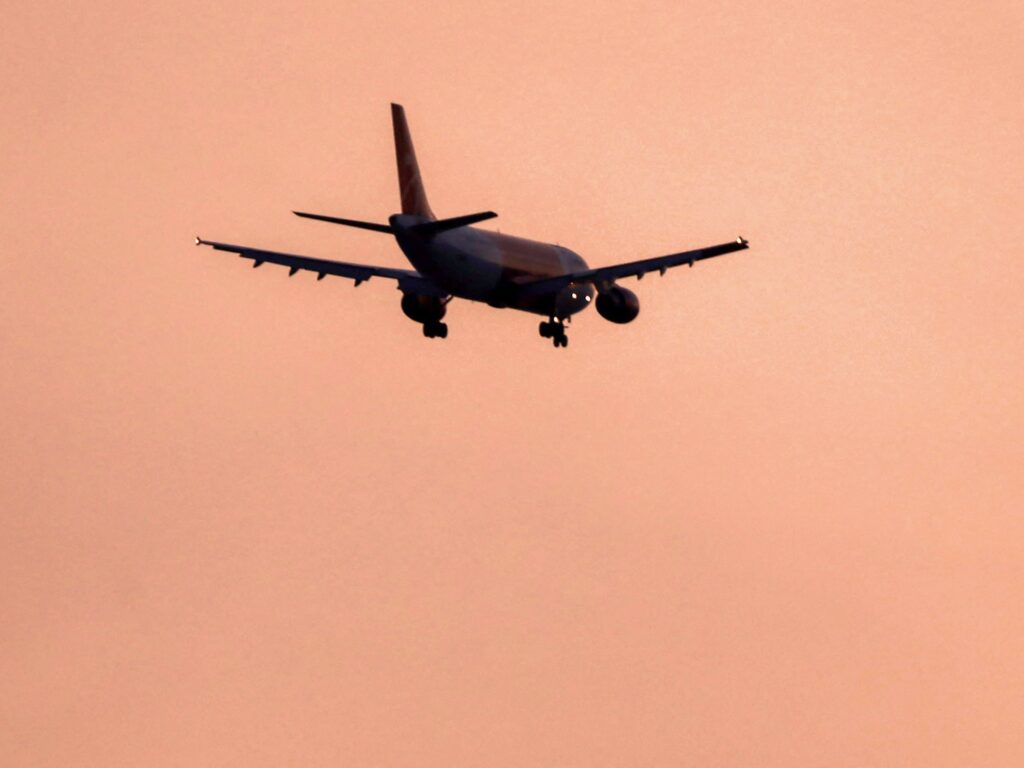
Iran has reopened its airspace to most flights after a period of closure that was imposed due to fears of potential attacks from the United States. Earlier, Iran had restricted most air travel through its airspace following alarming threats made by US President Donald Trump, which raised concerns of an imminent military action against the country.
The closure of airspace had caused significant disruptions to international and regional air traffic, impacting airlines and passengers alike. Many airlines were forced to reroute flights, leading to longer travel times and increased operational costs. Iran’s decision to impose these restrictions reflected the heightened tensions in the region amid a broader geopolitical standoff between Iran and the US.
Sources from Iran’s civil aviation authorities confirm that the airspace has gradually been reopened following de-escalation in immediate threat levels. Iranian officials had stated that the move to close the airspace was a precautionary measure to safeguard civil aviation and avoid any tragic incidents amid the volatile situation.
Throughout the closure period, Iran’s surroundings airspace remained under close surveillance by both Iranian and international aviation bodies. Diplomats and international aviation regulators were reportedly involved in monitoring the situation closely, advocating for calm and safety for commercial aircraft in the region.
The reopening of Iran’s airspace signals a reduction in immediate military tensions for now, though the political landscape remains volatile. Analysts warn that the situation could quickly change depending on further developments in US-Iran relations.
This episode highlights the significant risks that geopolitical conflicts pose to global civil aviation and international security. The ability of nations to ensure the safety of air travel amid threats of military conflict is crucial to maintaining international connectivity and economic stability.
The international community continues to call for dialogue and diplomatic solutions to reduce hostility in the region. Airlines and global aviation authorities are urging ongoing vigilance and preparedness as the situation unfolds.
Travelers are advised to stay updated on the latest advisories and route changes related to flights passing through or near Iranian airspace. The situation underscores the delicate balance between national security concerns and the need to maintain uninterrupted global travel.
In summary, Iran’s reopening of its airspace provides temporary relief to global air traffic disrupted by recent threats of military conflict with the US. However, the broader geopolitical tensions that prompted these restrictions remain unresolved, keeping regional and international security concerns very much alive.