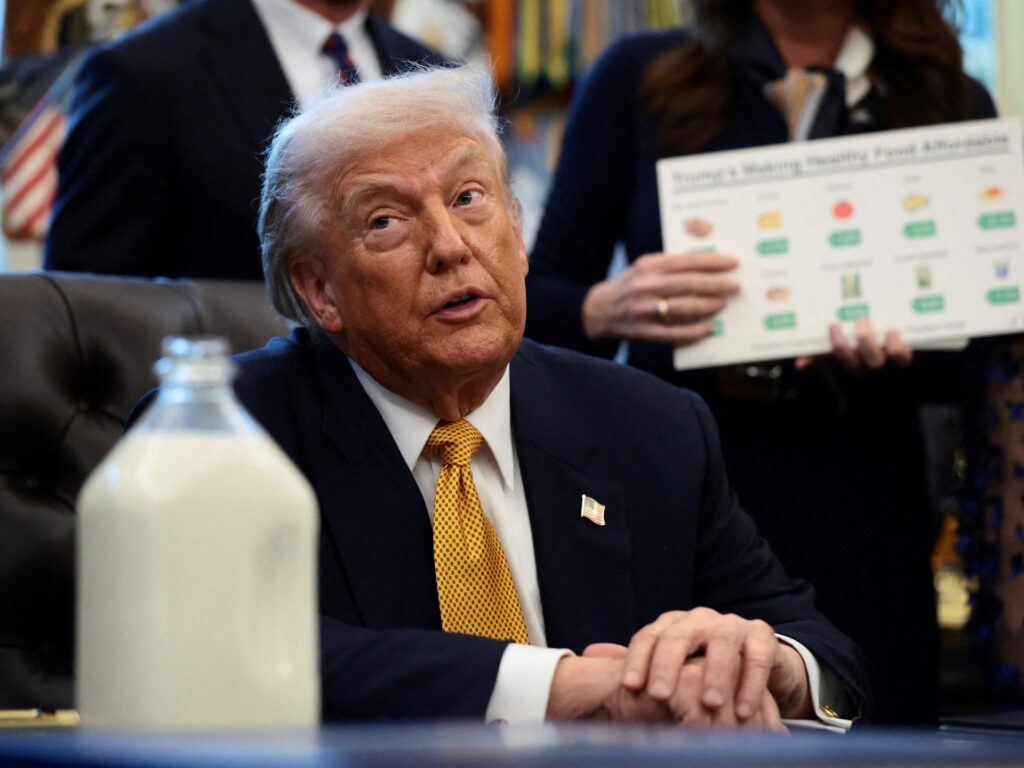
Former U.S. President Donald Trump has recently claimed that he has been informed the killing of protesters in Iran has ceased. This statement comes at a time of escalating tensions between the U.S. and Iran, marked by Trump’s previous threats to attack Iran. Tehran has responded to these threats with warnings of retaliation, raising fears of a potential military conflict.
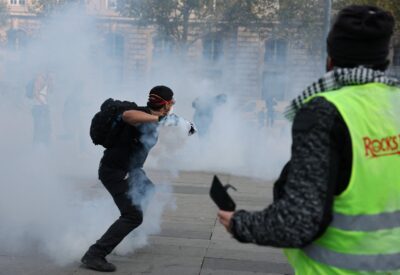
The backdrop to these developments is a wave of protests sweeping Iran, with demonstrators expressing deep dissatisfaction with various socio-political issues. The Iranian government initially responded with a violent crackdown, leading to international condemnation. Trump’s announcement suggesting an end to the killings could signal a shift in the Iranian government’s approach or a change in the information circulating within U.S. intelligence or diplomatic channels.
Despite this, the situation remains volatile. Trump’s threat to resort to military action has heightened concerns not only in Iran but globally, as the risk of a large-scale conflict could have far-reaching consequences for regional stability and international security.
Iran’s official warnings of retaliation against any U.S. aggression underscore the gravity of the standoff. Tehran has emphasized its readiness to defend itself, further intensifying the atmosphere of uncertainty.
Analysts caution that while a halt in the killing of protesters might be a positive development, the broader political and military tensions require careful navigation by all parties involved. The international community continues to monitor the situation closely, advocating for diplomatic solutions to avoid escalation.
As this complex crisis unfolds, the world watches keenly, hoping for a de-escalation that will allow peaceful resolution and respect for human rights within Iran.