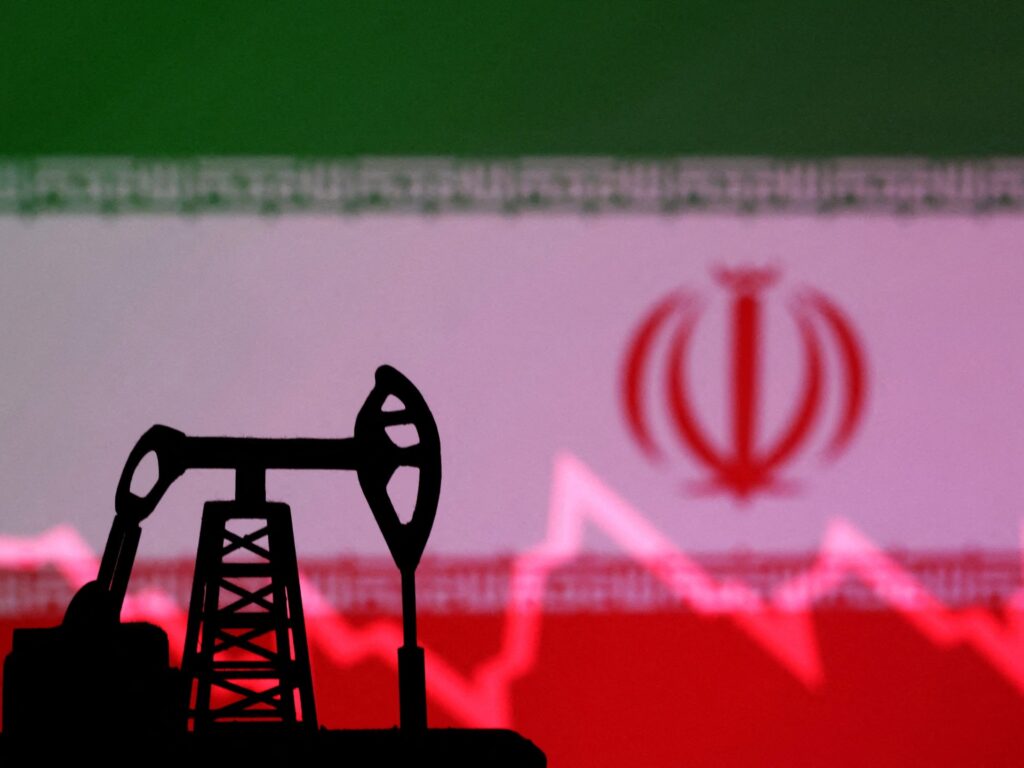
In a recent announcement, U.S. President Donald Trump declared the imposition of a new 25% tariff targeting countries and companies that engage in trade with Iran. This move is part of a broader strategy to increase economic pressure on Tehran amid ongoing geopolitical tensions.
The tariff aims to dissuade international actors from conducting business with Iran, thereby isolating the Iranian economy and reducing its ability to fund controversial programs. The announcement underscores the Trump administration’s tough stance on Iran and its desire to curb the country’s influence in the Middle East.
Impact on Iran’s Trading Partners
Countries that have substantial trade relationships with Iran are now facing a dilemma. On one hand, continuing trade could expose them to the punitive tariffs and associated economic consequences from the United States. On the other hand, severing these ties might lead to significant economic losses and potential political fallout within their own regions.
Key trading partners affected include China, India, Turkey, and several European countries. These nations rely on Iran for energy supplies, raw materials, and as a market for various goods. The new tariff regime complicates their economic calculus, forcing governments and industries to reassess their engagements with Iran.
For China and India, two of the largest consumers of Iranian oil, the tariff intensifies the challenge of balancing energy security with maintaining friendly diplomatic relations with the U.S. Both countries will need to consider alternative suppliers or risk escalating tensions.
European nations, while outwardly critical of unilateral U.S. tariffs, must contend with the reality of the American economic system’s reach. Many European companies operate within the U.S. financial ecosystem, making them vulnerable to U.S. sanctions and tariffs due to potential repercussions on their American business interests.
Turkey, sharing a geographic border with Iran, has deep economic ties and cultural ties that complicate an abrupt halt in trade. The tariff imposes pressure on Ankara to align its policies more closely with Washington’s or risk financial penalties.
Broader Economic and Political Consequences
The 25% tariff announcement may lead to disrupted supply chains and increased costs for companies stuck in the middle of the U.S.-Iran tensions. There is also the risk of a broader escalation, where retaliatory measures from Iran or its partners could further disrupt global trade.
Moreover, the tariff adds an additional layer of uncertainty for global markets already sensitive to geopolitical conflicts and trade disputes. Investors and multinational companies may adopt a cautious stance, potentially slowing down international investments and cooperation.
Conclusion
President Trump’s new 25% tariff on countries trading with Iran marks a significant escalation in U.S. efforts to isolate Iran economically. While aimed at pressuring Tehran, the policy inevitably affects Iran’s trading partners, creating complex diplomatic and economic challenges. How these countries respond could shape the broader geopolitical landscape and impact global economic stability in the months to come.