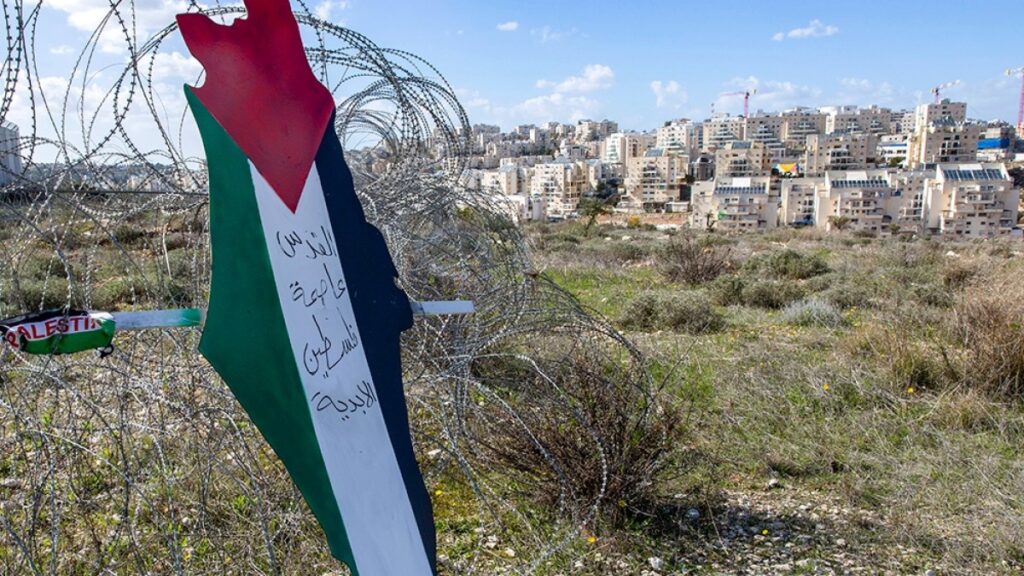
Israel has moved forward with a significant and contentious housing project in occupied East Jerusalem, aiming to build approximately 9,000 new residential units near Jerusalem’s airport. This move has attracted international attention and criticism, as analysts suggest it is a strategic effort to further separate East Jerusalem from the West Bank, complicating prospects for peace in the region.
The settlement plan targets an area near the airport, which is a critical geographical link between East Jerusalem and the West Bank. By establishing these units, Israel is perceived to be effectively bisecting the territory, potentially isolating East Jerusalem and reinforcing control over the city.
Experts describe this project as a ‘fatal’ step in the Israeli-Palestinian conflict, indicating that it could undermine any future negotiated settlement and diminish the viability of East Jerusalem as the capital of a prospective Palestinian state. The construction of settlements in contested regions has long been a source of tension, with the international community frequently deeming such settlements illegal under international law.
Palestinian leaders have condemned the plan, calling it an aggressive land grab and a violation of their rights. Meanwhile, Israeli officials argue that the project is essential for accommodating the growing population and ensuring the city’s security and development.
Human rights organizations have also voiced concerns, warning that the expansion of settlements exacerbates humanitarian issues for Palestinians, including displacement and restrictions on movement. They urge the Israeli government to reconsider and halt the plan to prevent further destabilization.
The international response includes calls for renewed dialogue and efforts to restart peace negotiations. Many countries emphasize the importance of preserving the possibility of a two-state solution and warn that such unilateral moves threaten peace prospects.
This development is inevitably tied to broader geopolitical dynamics in the region. It highlights the ongoing complexities of sovereignty claims, the role of international law, and the persistent challenges in reaching a just and lasting resolution to the Israeli-Palestinian conflict.
As the project progresses, attention will be on the reactions from the United Nations, neighboring Arab states, and global powers, all of which play influential roles in mediating and supporting peace initiatives.
The settlement plan in East Jerusalem underscores the fragile nature of the current situation, where spatial and political divisions continue to grow. The future of Jerusalem, a city of immense significance to Israelis, Palestinians, and many religious communities worldwide, remains uncertain in light of such developments.
Overall, the plan to construct 9,000 housing units near Jerusalem’s airport symbolizes more than just urban expansion; it represents a critical juncture in the ongoing conflict and the quest for peace in the Middle East.