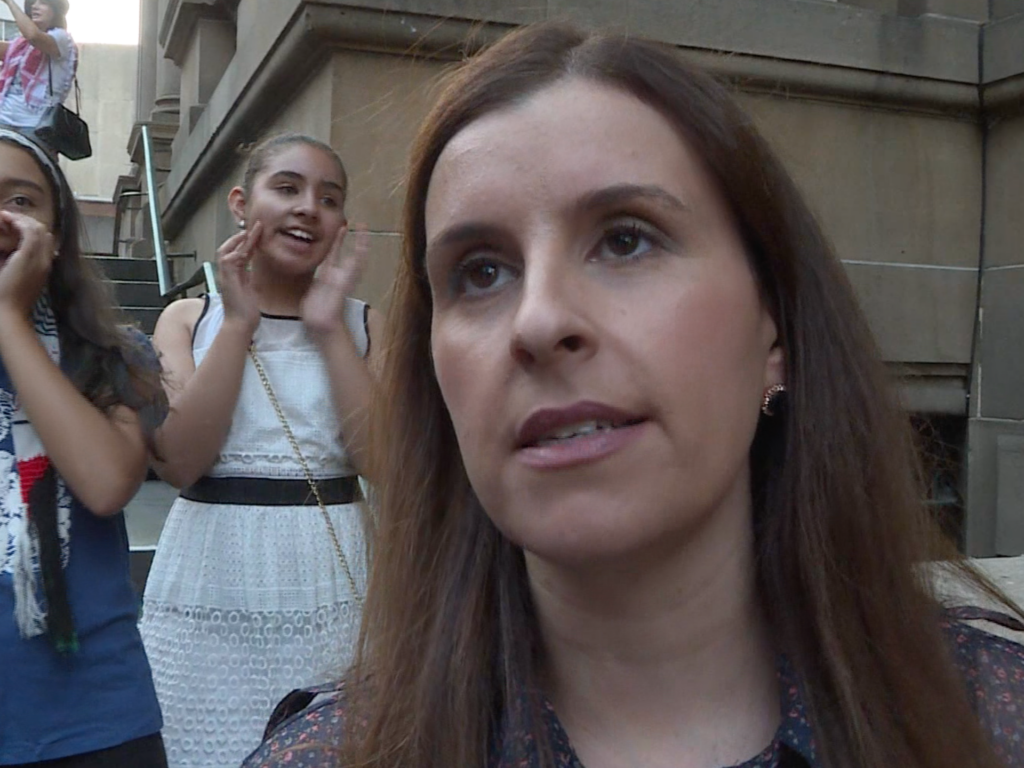
The Adelaide Festival in Australia is currently embroiled in a significant controversy that has led to a massive boycott involving prominent writers and members of the festival’s own board. The conflict erupted after the festival made the decision to bar Palestinian author Randa Abdel-Fattah from participating in this year’s event.
Randa Abdel-Fattah is a well-known writer and advocate who has been recognized for her poignant works that explore Palestinian identity and narratives. Her exclusion from the festival has sparked a vehement backlash from the literary community and beyond, highlighting ongoing tensions regarding freedom of expression and political sensitivity in cultural events.
Following the announcement of Abdel-Fattah’s removal, approximately 100 writers collectively chose to withdraw their participation in protest. This significant action underscores the depth of discontent within the arts community, which sees the ban as a form of censorship and an unjust political statement.
Adding to the turmoil, four members of the Adelaide Festival’s board resigned in solidarity with the authors and in opposition to the festival’s decision. These resignations have raised questions about the leadership and governance of the festival, suggesting an internal crisis as well as external fallout.
The boycott and resignations have drawn widespread media attention, bringing the festival’s decision and its broader implications to an international audience. Critics of the festival argue that excluding Abdel-Fattah sets a dangerous precedent, potentially undermining artistic freedom and the festival’s role as a platform for diverse voices.
Supporters of the festival’s decision, however, claim it was necessary based on concerns not detailed publicly, reflecting the complex and often contentious dynamics surrounding cultural events in politically sensitive contexts.
The Adelaide Festival, one of Australia’s premier cultural events, annually hosts a wide array of artists, writers, and performers from around the globe. This incident threatens its reputation as a space for open dialogue and artistic exchange.
Many observers believe that this crisis will spark ongoing debates about how cultural institutions should navigate political issues, particularly those related to the Israeli-Palestinian conflict. The role of cultural festivals in advancing inclusivity while managing contentious issues is now under a spotlight.
In the wake of these developments, calls have intensified for the festival organizers to reconsider their stance and engage in dialogue with the communities affected. International arts organizations and human rights groups have also expressed concern over the implications of the barring, emphasizing the need for cultural spaces to remain open and inclusive.
As the boycott continues and the festival faces logistical and reputational difficulties, the situation poses a challenge for Australia’s cultural sector at large. The event has typically been a celebration of diverse voices, but this controversy highlights the difficulties in balancing political sensitivities with artistic freedom in a globalized world.
Moving forward, the Adelaide Festival’s leadership must address the fallout and potentially rebuild trust with artists, audiences, and the wider community. The incident serves as a reminder of the powerful role that literature and the arts play in reflecting and shaping societal debates.
This controversy over the barring of Randa Abdel-Fattah is likely to resonate beyond Australia, influencing how cultural festivals worldwide handle issues related to inclusion, censorship, and political expression.
Ultimately, the boycotts and resignations at the Adelaide Festival symbolize a critical moment of reckoning for cultural institutions in navigating the intersection of art and politics. The decisions made here may set precedents impacting cultural dialogues for years to come.