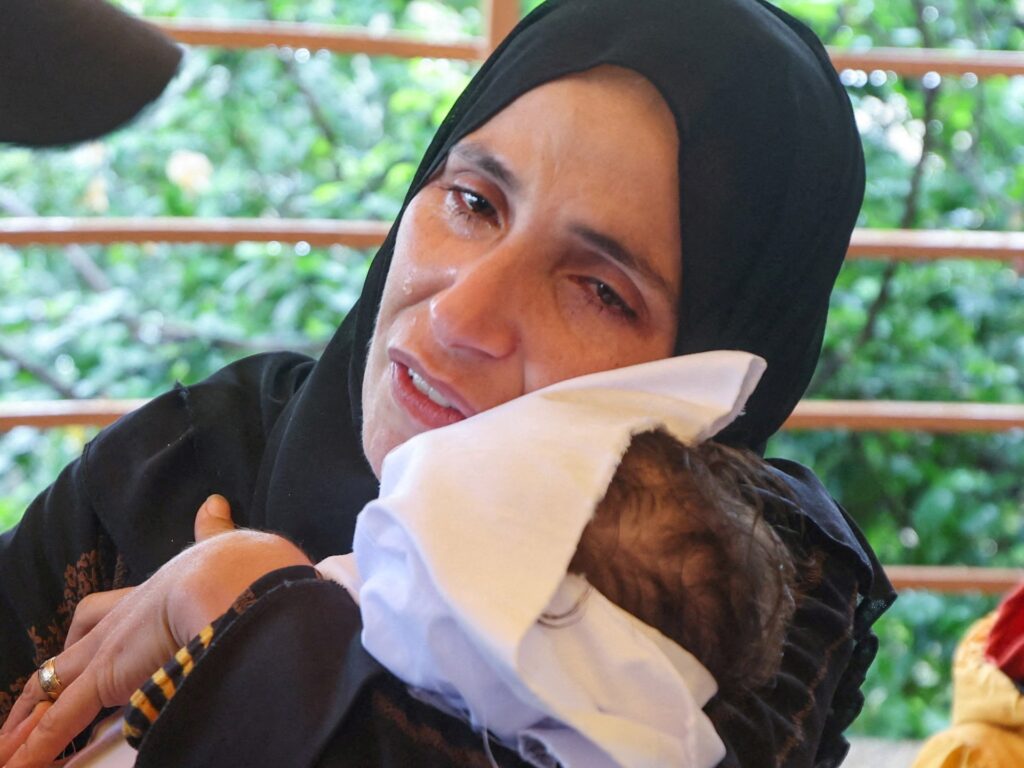
In the ongoing humanitarian crisis in Gaza, a fourth Palestinian infant has tragically frozen to death since November, highlighting the dire conditions faced by families in the region. This heartbreaking occurrence underscores the severe challenges posed by power outages and harsh weather conditions, significantly impacting vulnerable populations.
Doctors and medical staff in Gaza are struggling to provide adequate care due to frequent power cuts, which disrupt heating and essential medical equipment. The fragile healthcare infrastructure is overwhelmed as it tries to manage an increasing number of cases involving cold-related illnesses and other medical emergencies.
Displaced families, forced to live in temporary shelters and tents, are battling freezing temperatures while managing the added hardship of flooding caused by recent rains. These conditions have created treacherous living situations, with limited access to warmth, dry clothing, and sufficient medical care.
The death of this fourth infant is a stark indicator of the broader crisis affecting Gaza, where infrastructure limitations, ongoing conflict, and blockades contribute to difficult living conditions. Many families are trapped in overcrowded and poorly insulated tents, making it nearly impossible to shield themselves from the cold.
Humanitarian organizations have called for urgent assistance to address these critical issues. Immediate interventions are needed to restore power, provide adequate winter clothing, heating solutions, and improve shelter conditions for displaced populations. Additionally, increased medical supplies and support for healthcare providers are critical to preventing further loss of life, especially among the most vulnerable — infants and young children.
The international community is urged to prioritize aid and facilitate the delivery of assistance to Gaza to alleviate the suffering and prevent further tragedies. The plight of these children and their families serves as a somber reminder of the human cost of prolonged conflict and instability in the region.
As winter continues, the risks to vulnerable populations in Gaza remain high. Without swift and comprehensive action to improve living conditions and medical support, more lives may be lost to preventable causes related to the cold and inadequate shelter.