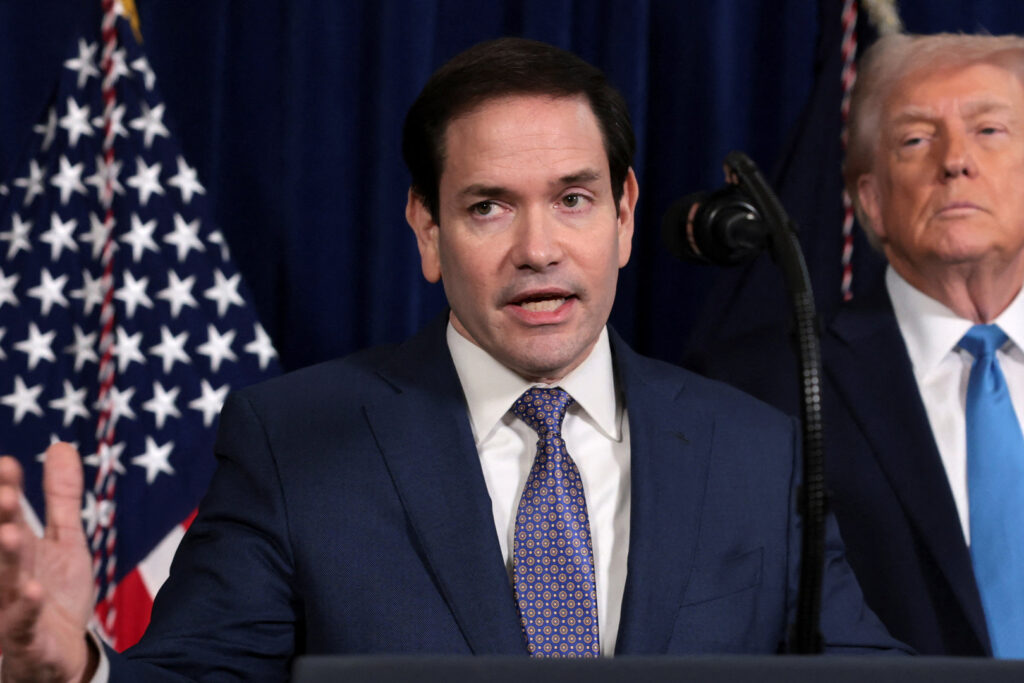
In a dramatic assertion that has sent ripples across international diplomacy, US President Donald Trump has declared that a “team” from the United States is poised to assume control of Venezuela following the “capture” of its current leader, Nicolás Maduro. The declaration signals a significant escalation in Washington’s stance towards the beleaguered South American nation, outlining an unprecedented level of direct US involvement in its governance should Maduro be removed from power.
President Trump’s statement, delivered amidst ongoing political turmoil and humanitarian crisis in Venezuela, suggests a highly interventionist approach. While specifics regarding the composition or mandate of this “team” remain undisclosed, analysts speculate it would likely comprise a mix of diplomatic personnel, economic advisors, and possibly security experts. Their presumed mission would be to stabilize the country, facilitate a transition to democratic rule, and address the profound socio-economic challenges that have plagued Venezuela for years.
The premise of this audacious plan hinges on the “capture” of President Maduro, whom the US and dozens of other nations no longer recognize as Venezuela’s legitimate head of state. Washington has repeatedly called for Maduro’s resignation, imposing stringent sanctions on his regime and backing opposition leader Juan Guaidó. The idea of a US-led team taking over suggests a direct administrative role, moving beyond mere support for an interim Venezuelan government to an active, hands-on management of the nation’s affairs during a transitional period.
Such a move, if actualized, would represent a seismic shift in international relations and set a potentially controversial precedent. Proponents within the US administration might argue that direct intervention is necessary to prevent further collapse, ensure the delivery of humanitarian aid, and restore democratic institutions in a country facing hyperinflation, widespread shortages, and a massive exodus of its population. They might view it as a necessary, albeit extreme, measure to safeguard regional stability and human rights.
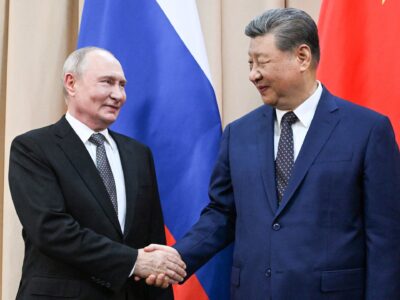
However, the proposition is fraught with immense challenges and potential international backlash. Critics would undoubtedly decry it as an affront to Venezuela’s sovereignty, a clear violation of international law, and a form of neocolonialism. Russia, China, and Cuba, key allies of the Maduro regime, would likely condemn such an action in the strongest terms, potentially exacerbating geopolitical tensions. Even among US allies, the notion of a foreign “team” directly governing a sovereign nation could raise significant concerns about self-determination and national sovereignty.
Within Venezuela itself, the reaction would be deeply polarized. While some in the opposition, desperate for an end to the current crisis, might welcome any intervention that promises stability, Maduro’s loyalists and nationalist elements would almost certainly view it as an invasion and a foreign occupation, potentially igniting widespread resistance and further complicating an already volatile situation. The logistical complexities of governing a nation of over 28 million people, particularly one deeply divided and economically devastated, are staggering.
President Trump’s announcement, therefore, serves not only as a stark warning to the Maduro government but also as a profound declaration of intent regarding future US policy towards Venezuela. It underscores a readiness for extraordinary measures to achieve Washington’s objectives in the region, signaling a period of intense diplomatic maneuvering and potentially, highly contentious actions on the international stage. The coming days and weeks will undoubtedly reveal more about the specifics of this “team” and the detailed strategy behind this audacious proposition for Venezuela’s future.