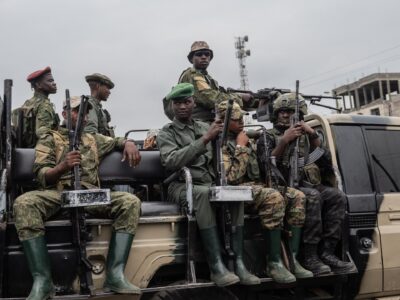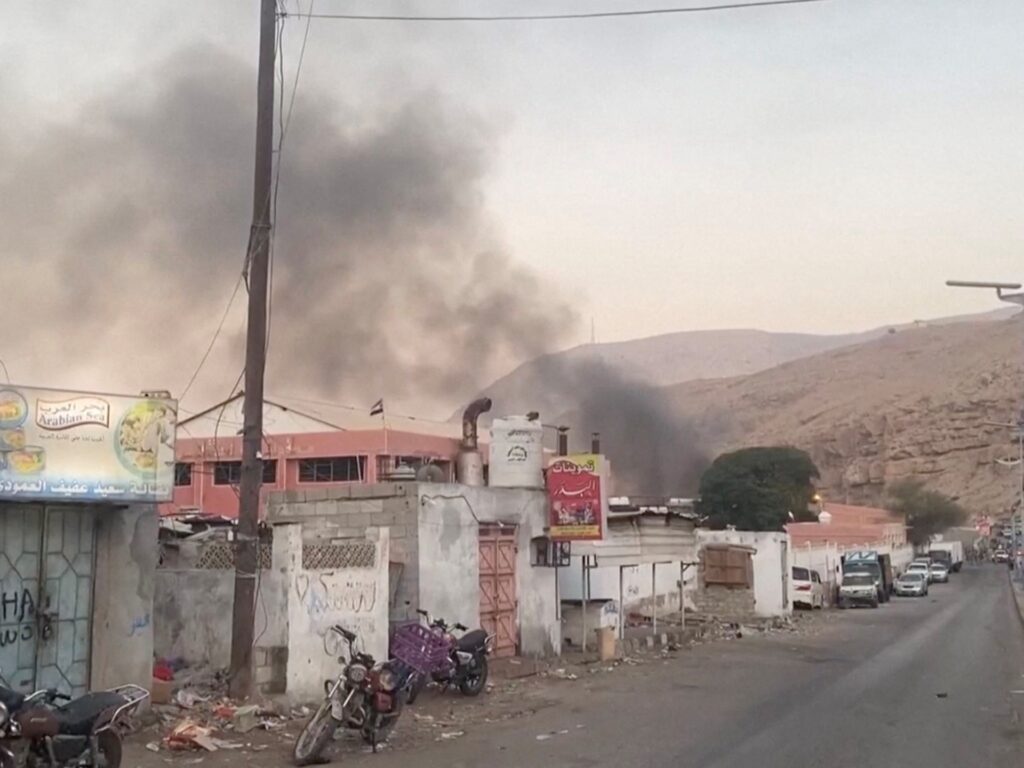
In a significant development in Yemen’s ongoing conflict, the Southern Transitional Council (STC), a separatist group, has announced its refusal to withdraw from strategic provinces located near the Saudi Arabian border. This move marks a crucial point in the complex power struggle within Yemen, where various factions vie for control amidst a multifaceted civil war.
The STC, which controls significant portions of southern Yemen, cited security concerns and territorial rights as reasons for maintaining its presence in these key provinces. Despite this firm stance, the STC showed a degree of compromise by agreeing to allow the deployment of Saudi-backed National Shield government forces in the same areas. This agreement represents a nuanced approach to the conflict, blending opposition with cooperation under specific terms.
The provinces in question hold substantial strategic value, not only due to their proximity to Saudi Arabia but also because they serve as critical corridors for trade, military logistics, and political influence. Control over these border provinces affects the balance of power and the ability of factions to influence the course of the Yemen conflict.
Saudi Arabia, a major regional power and key player in the Yemen war, has long supported the internationally recognized Yemeni government and allied local forces, including the National Shield. Riyadh’s backing is part of a broader campaign to counteract the influence of the Iran-aligned Houthi movement and to stabilize a volatile region on its southern frontier.
The deployment of National Shield forces is poised to bolster Saudi-aligned influence but may also complicate the situation on the ground. The coexistence of STC and Riyadh-backed troops in overlapping territories could lead to tense interactions, the need for strict coordination, or heightened risk of local clashes.
Observers note that the STC’s decision to maintain its troops underscores the group’s intention to retain leverage in any future political negotiations or territorial settlements. It reflects a broader pattern of assertiveness by southern separatists who seek greater autonomy or independence for southern Yemen.
The agreement to allow National Shield forces’ deployment, however, suggests some recognition by the STC of the strategic necessity of aligning with Riyadh’s objectives to a degree. This might be seen as a pragmatic approach to balancing military realities with political ambitions.
The situation remains fluid, and future developments will hinge on the interactions between STC forces, the National Shield government troops, and other stakeholders, including the Houthi rebels and the Yemeni government. Any escalation or cooperation in these border provinces will have significant implications for the broader Yemen conflict and regional stability.
In summary, the STC’s refusal to withdraw from southern provinces near Saudi Arabia, coupled with its conditional acceptance of Riyadh-backed military deployments, encapsulates the complex and often contradictory nature of Yemen’s ongoing struggle. This highlights the challenges facing peace efforts to resolve one of the most enduring and complicated conflicts in the Middle East.