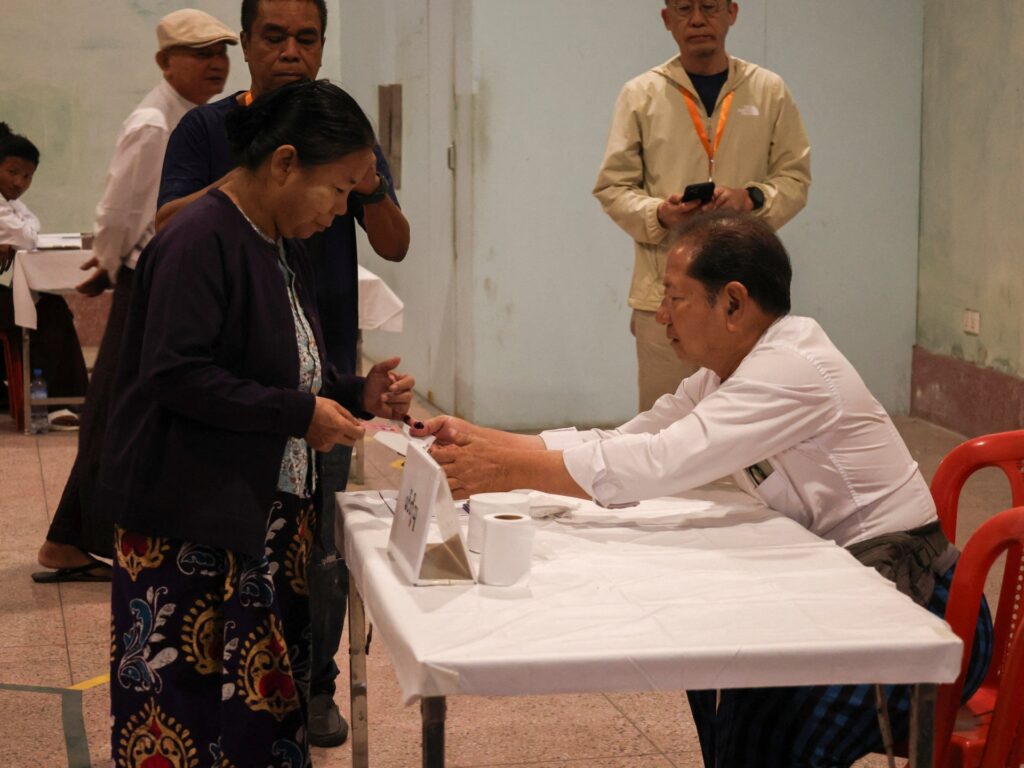
Myanmar recently saw the closure of polls in its first election since the military coup in 2021, sparking widespread controversy and international concern. The election, conducted under the strict supervision of the military junta that seized power three years ago, has been met with significant criticism from the United Nations, human rights organizations, and opposition political parties.
The coup in February 2021 ended a decade-long experiment with quasi-democratic governance in Myanmar, bringing military leaders back to the forefront of the nation’s political landscape. Since then, the military has maintained tight control over the country’s institutions and civil society, severely limiting political freedoms and civil rights.
The electoral process this time around has been widely condemned as neither free nor fair. Observers report that the environment in which the election took place was heavily unfavorable to opposition parties. Voting rights were reportedly suppressed, and various administrative obstacles were placed before opposition candidates to limit their participation and influence.
International entities like the United Nations have questioned the legitimacy of the electoral process, pointing out the absence of impartial monitoring and restrictions on campaigning. Human rights groups highlight ongoing crackdowns on dissent and the absence of basic freedoms required for genuine democratic competition.
Opposition parties also denounce the elections, stating that the military’s dominance over electoral mechanisms and media coverage prevented an equitable contest. Many opposition figures have been detained, barred from running, or otherwise excluded from the political process.
Despite these critiques, the military claims that the elections were conducted legally and represent the will of the people. The junta seeks international recognition of the results to legitimize its rule, which has been marked by considerable violence and human rights abuses.
The voter turnout and exact results remain closely scrutinized by both domestic and international observers who question the transparency and reliability of the reported figures. The electoral outcomes are expected to shape Myanmar’s political trajectory significantly, potentially solidifying military rule or igniting further unrest and resistance.
The situation underscores the ongoing struggle for democracy in Myanmar and the challenges faced by its people under military governance. The international community continues to call for inclusive dialogue, the release of political prisoners, and meaningful steps toward restoring democratic norms and human rights protections.
As the country moves forward from this contested election, the stakes remain high for both the military regime and those advocating for a return to civilian rule. The outcome will likely influence Myanmar’s stability, regional relations, and the aspirations of its citizens for years to come.