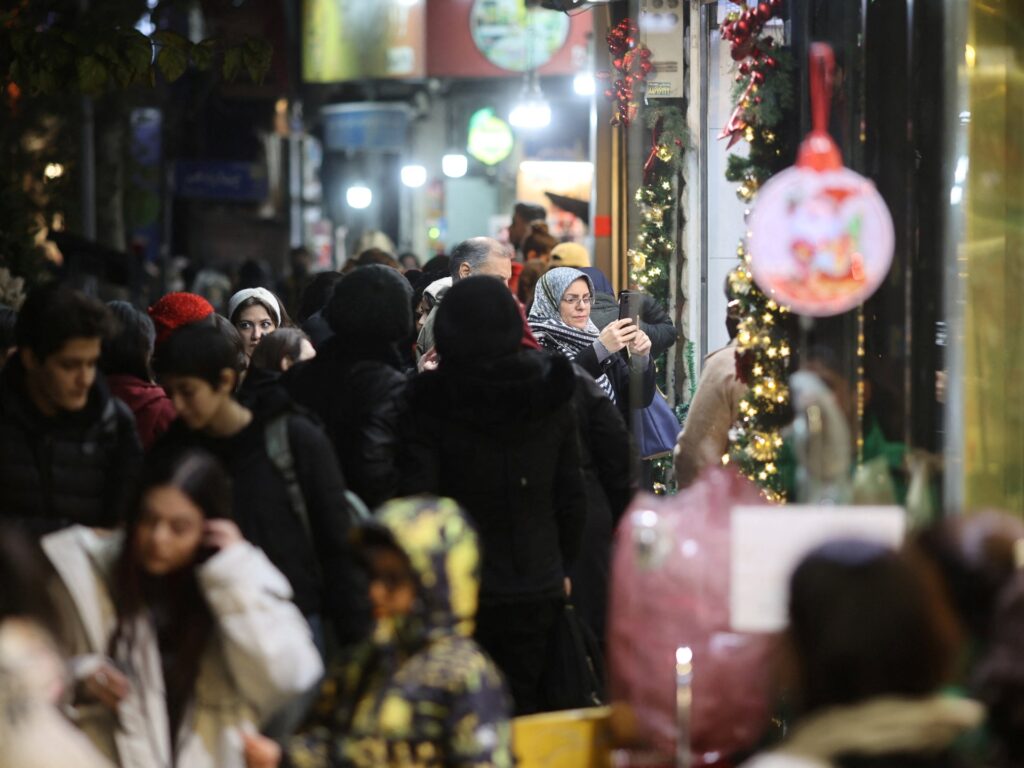
Iran is facing a challenging economic future as its government budget reflects the strain of a depreciating currency and rising prices. The Iranian rial recently hit a new low against major currencies, exacerbating the hardships faced by millions of Iranians. This ongoing depreciation not only affects foreign trade and investment but also has a direct impact on everyday life as prices of basic goods, including food, continue to soar.
The budgetary pressures arise from several factors including economic sanctions, lowered oil revenues, and persistent inflation. As the national currency weakens, the costs of imported goods and raw materials surge, leading to higher prices domestically. This inflationary pressure particularly affects the most vulnerable segments of the population who are already struggling with declining purchasing power.
Government officials have acknowledged the difficulties but face tough choices in balancing social welfare needs against fiscal constraints. Subsidies that once helped stabilize prices are increasingly difficult to maintain in the face of budget shortfalls. Meanwhile, plans for economic reform and diversification of income sources have yet to yield substantial relief.
Analysts warn that without strong policy intervention and structural economic changes, the downward spiral could deepen. The cost of living is expected to continue rising, with food prices among the most sensitive to currency fluctuations and supply chain disruptions.
Many Iranians are bracing for tougher times ahead as earnings fail to keep pace with inflation, leading to increased poverty and economic insecurity. Community support networks and informal coping mechanisms are becoming more vital for survival.
International observers note that the Iranian economy’s heavy reliance on oil exports makes it particularly vulnerable to external shocks. With the added pressure of geopolitical tensions and sanctions, the government’s fiscal planning must contend with both domestic demands and international constraints.
In summary, Iran’s government budget reveals a tough road ahead as the national currency hits new lows. The expectation of rising prices for basic items such as food signals worsening economic conditions for ordinary Iranians. Policymakers face a critical challenge to stabilize the economy, support struggling households, and chart a path toward sustainable growth amid ongoing adversity.