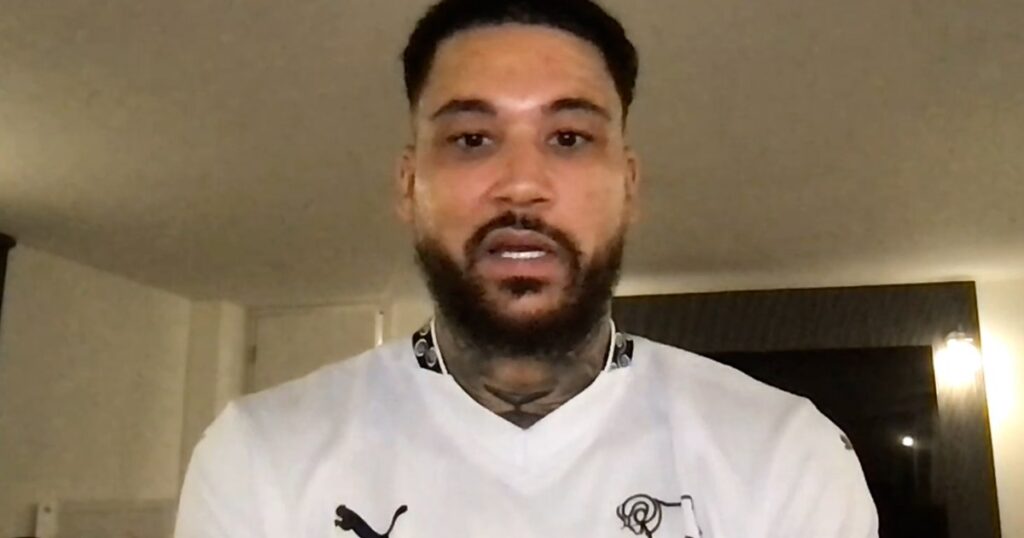
In a recent interview with Al Jazeera, professional boxer Ty Mitchell opened up about the reasons behind his decision to confront far-right British activist Tommy Robinson. Mitchell, known not only for his achievements in the boxing ring but also for his outspoken stance on social and political issues, felt compelled to take a stand against what he perceived as harmful ideologies propagated by Robinson.
Tommy Robinson, a controversial figure in British politics, gained notoriety for his far-right views and activism, which critics often describe as divisive and inflammatory. Mitchell’s confrontation with Robinson highlights a growing trend where athletes are using their platforms to address and challenge social injustices and extremist rhetoric.
During the interview, Mitchell emphasized that his actions were driven by a sense of responsibility and the desire to promote unity and equality. He expressed concern over the impact of Robinson’s rhetoric on communities, particularly those vulnerable to discrimination and hate crimes. By confronting Robinson, Mitchell sought to call attention to these issues and encourage a more inclusive dialogue.
Mitchell also discussed the risks involved in standing up against prominent figures like Robinson. He acknowledged that such confrontations could lead to backlash and personal threats, but insisted that silence in the face of hate is not an option. His courage reflects a broader movement among athletes who leverage their visibility to advocate for social change.
The interview sheds light on the intersection of sports, politics, and activism, demonstrating how public figures can influence conversations around critical societal matters. Mitchell’s narrative resonates with many who believe in using their voices to challenge extremism and foster a society characterized by respect and understanding.
In conclusion, Ty Mitchell’s decision to confront Tommy Robinson reveals the role that athletes can play beyond their sporting careers. It underscores the importance of standing against hate and promoting values that unite rather than divide. As conversations surrounding far-right activism continue to evolve, figures like Mitchell are pivotal in shaping a more inclusive and empathetic discourse.