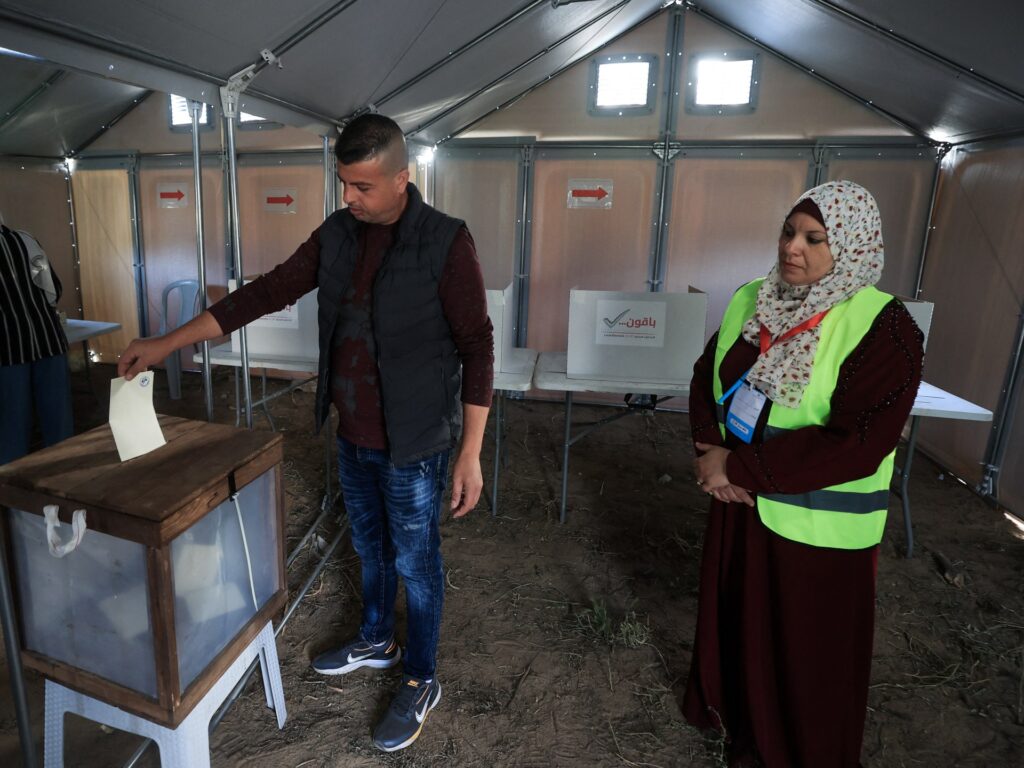
For the first time in 20 years, residents of the Gaza Strip have begun voting in municipal elections, marking a significant political event in the region. The elections, which started in the city of Deir el-Balah, are being described by Gaza officials as a ‘pilot’ project. This municipal vote signifies an attempt to reinvigorate local governance in a territory that has seen persistent conflict and political isolation. Concurrently, the occupied West Bank is also participating in elections—the first since the conflict escalated in 2023—signaling a broader push for civic engagement despite ongoing tensions. The elections hold importance beyond the poll results, representing a rare opportunity for Palestinians in both Gaza and the West Bank to exercise electoral rights and influence local administration. Observers note that these elections might provide fresh political dynamics and potentially ease some aspects of governance challenges faced by these areas. The process, however, comes with unique difficulties, including security concerns and the complex political landscape involving multiple factions and authorities. International responses have varied, with some expressing cautious optimism about the potential for these elections to foster stability and democratic development. Residents in Gaza, especially in Deir el-Balah, turned out in significant numbers despite hardships, showing a strong desire for political participation and local representation. Technological and logistical efforts were intensified to ensure the smooth conduct of the polls, reflecting lessons learned from past electoral challenges. This event also shines a light on the broader ongoing conflict and its impact on Palestinian civil life, highlighting the resilience of communities seeking normalcy and democratic processes amid adversity. The success and outcomes of this ‘pilot’ election in Gaza could set a precedent for future electoral activities in the territory and influence political strategies in the West Bank as well. Overall, these elections underscore a crucial moment in Palestinian political life, where the hopes for governance reform and democratic engagement face the realities of regional instability and longstanding conflict.