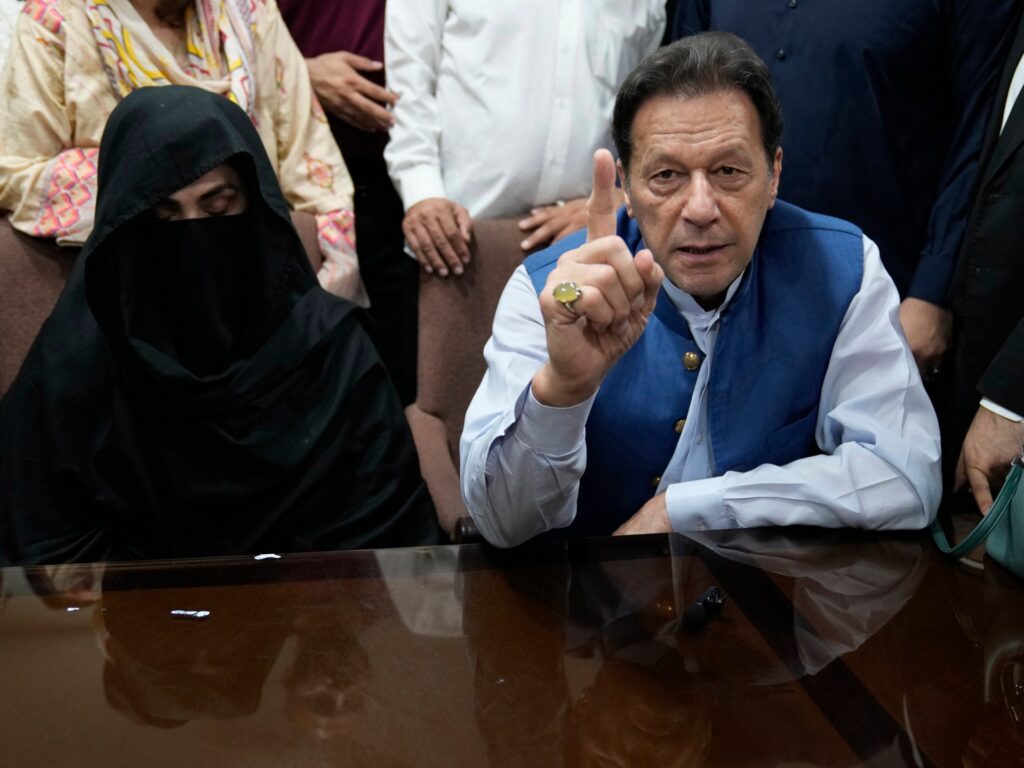
In a significant legal development, former Pakistan Prime Minister Imran Khan and his wife have been sentenced to 17 years in prison related to a corruption case involving misrepresentation of state gifts. The allegations centered on accusations that the couple undervalued valuable gifts including jewellery received during Khan’s tenure in office. Both Imran Khan and his wife have firmly denied the charges, asserting their innocence and disputing claims of wrongdoing. This verdict marks a critical moment in Pakistan’s ongoing struggle with corruption within its political landscape.
The case scrutinized the discrepancies in the declared values of luxury items that were reported as state property, raising concerns about financial deception and misuse of privileges by the country’s former first family. Legal experts suggest that the harsh sentence underscores the judiciary’s intent to strengthen anti-corruption measures and hold high-profile individuals accountable.
Supporters of Imran Khan have expressed skepticism regarding the judicial process, suggesting that the charges may be politically motivated. They argue that the timing and fervor of the prosecution could be influenced by rival factions aiming to undermine Khan’s political career.
Opponents, however, see the judgment as a necessary step in reinforcing transparency and integrity in public office, hoping it will deter future misconduct among government officials. The case has also drawn international attention, reflecting on Pakistan’s governance and judicial independence.
The sentencing includes penalties not only for Imran Khan but also for his wife, indicating the court’s view on the shared responsibility in the alleged financial misrepresentations. Details about potential appeals or further legal actions have yet to emerge, but the ruling could have substantial implications for both the former prime minister and Pakistan’s political environment.
As of now, the nation watches closely as this legal saga unfolds, hoping for a resolution that upholds justice while maintaining political stability. The case serves as a reminder of the critical need for accountability and ethical governance in Pakistan, as the country continues to navigate complex political and economic challenges.