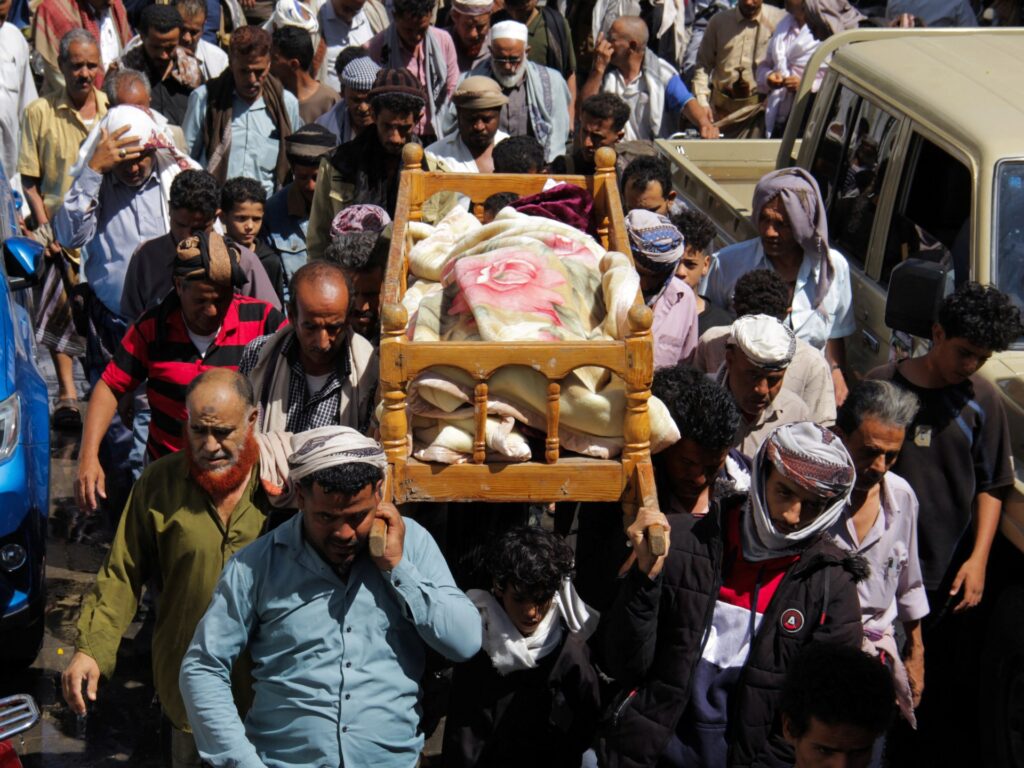
In the ongoing conflict in Yemen, government forces and Houthi rebels have recently engaged in a series of intense skirmishes, with both sides claiming to have inflicted substantial casualties on their opponents. According to statements from Yemen’s government, their forces have inflicted heavy losses on Houthi rebels, reporting as many as 190 rebel fighters killed or wounded during the confrontations. This claim highlights the severity and continued escalation of hostilities between the two factions.
The Houthis, an armed movement originating from northern Yemen, have also asserted that their forces dealt significant damage to government troops in recent clashes. These mutual claims underscore the persistent volatility and violence that plague the region, complicating efforts towards peace and stability.
The conflict in Yemen, which began in 2014 when the Houthis seized control of the capital, Sanaa, has since escalated into a devastating civil war involving multiple local and international actors. This recent exchange of attacks is part of a broader pattern of ongoing battles that have caused immense human suffering and displacement.
Casualty figures in Yemen’s conflict are often difficult to verify independently due to the extensive destruction of infrastructure and restricted access for international observers and journalists. Both the government and the Houthis tend to communicate their own assessments, often highlighting the successes of their military efforts.
The strategic significance of these confrontations lies in the control of territory, access to resources, and political influence within Yemen. Both the government and the Houthis vie for dominance to strengthen their negotiating positions in any potential peace talks.
International organizations and humanitarian groups have continuously expressed concern about the worsening humanitarian crisis in Yemen, amplified by ongoing clashes like these exchanges of attacks. Civilians often bear the brunt of such violence, facing food insecurity, lack of medical supplies, and disrupted access to essential services.
Efforts by the United Nations and regional powers to broker ceasefires have had limited success, with ceasefire agreements frequently broken amid fighting. Both sides accuse each other of violating such agreements, making the path toward a durable peace exceedingly challenging.
The recent claims of heavy losses by both Yemeni government forces and Houthi rebels signal the likelihood of sustained military engagements in the near term. The cycle of retaliatory attacks exacerbates the conflict’s toll on Yemen’s population and infrastructure.
As the international community calls for renewed dialogue and cessation of hostilities, the situation remains precarious. This exchange of attacks epitomizes the ongoing struggle between the Yemeni government and the Houthis, reflecting deep-rooted grievances and competing visions for Yemen’s future.
In conclusion, the reported exchange of heavy losses further entrenches the conflict dynamics in Yemen, with both factions asserting their military capabilities. Without robust and sustained diplomatic intervention, the violence is likely to persist, prolonging the suffering of millions and hindering prospects for peace in the region.