In Spain, a sweeping housing crisis has thrown the younger generation into a precarious living situation, highlighting a critical social and economic challenge gripping communities nationwide. Young people are increasingly finding themselves either confined to the family home or forced to accept cramped, overpriced rental accommodations that offer little in terms of security or control. This crisis is sparking growing protests, with voices of discontent rising from those most affected by unstable housing conditions.
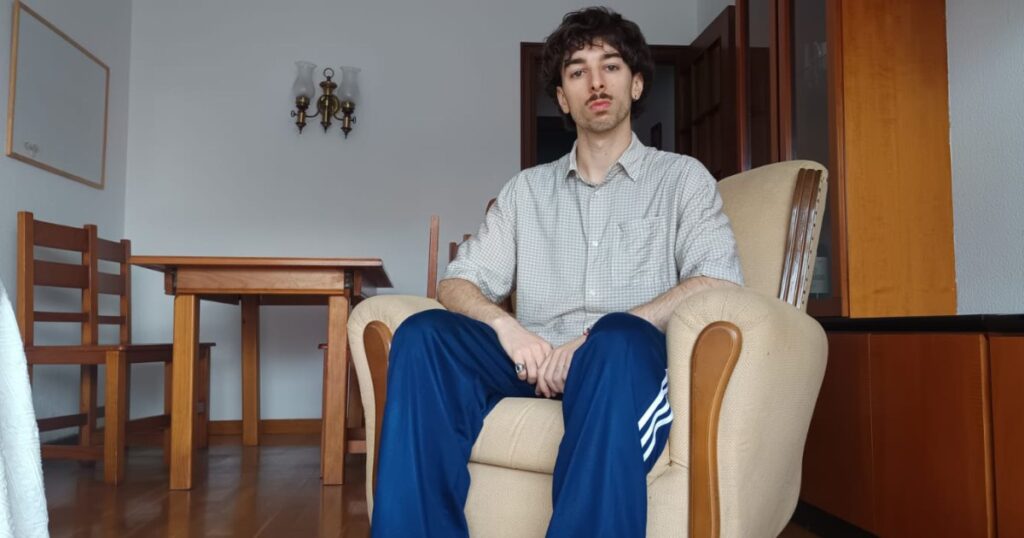
At the heart of this turmoil is the astronomical cost of living spaces, which has become a fundamental barrier to independence for many young Spaniards. One of the stark testimonials making rounds in protests dramatically encapsulates the plight many tenants endure: “I pay $500 for 5 square metres.” Such a statement vividly illustrates the harsh reality of the cost versus space dilemma—a metaphor for how young Spaniards feel boxed in by economic pressures.
This situation is not merely about housing affordability. It also touches on the broader issues of job security, wage stagnation, and regional inequalities that exacerbate the burden on young people trying to establish their own households. The traditional path to independent living—moving out and securing a home of one’s own—is increasingly unattainable without significant financial strain or compromise on quality of life.
Data shows the average rent prices in major cities like Madrid and Barcelona have surged dramatically over the past decade. The demand far outstrips supply, especially for affordable options, pushing prices to unsustainable levels. This price hike has also led to a proliferation of tiny, inefficient living spaces being rented out at premium prices, further fueling public outcry and demands for reform.
Compounding these issues is the often precarious nature of rental agreements, which offer little protection to tenants. Evictions under short notice and unstable lease conditions leave many young renters vulnerable, creating an environment of uncertainty that is detrimental to their overall well-being.
In response to the growing unrest, protestors have taken to the streets to demand government intervention, including stricter regulation of rental markets, increased investment in affordable housing, and policies aimed at stabilizing the housing sector. Calls for reforms focus on ensuring that housing is recognized as a basic right, not a commodity for speculative profit.
Moreover, there is a push to implement rent caps, increase transparency in housing transactions, and promote long-term rental contracts to provide tenants with greater security. Activists also advocate for public housing projects and support for first-time homebuyers to break the cycle of dependency on the volatile rental market.
This movement in Spain reflects a larger global trend where housing affordability has become a critical social issue in many urban centers. The protestors’ personal stories highlight the urgency of addressing these challenges to foster a society where young people can thrive independently.
Amid these tensions, some cities are piloting innovative solutions such as cooperative housing models and subsidized rentals to alleviate the crisis. Although still in early stages, these efforts signal a shift toward more inclusive and equitable housing policies.
Ultimately, Spain’s protests by young people are a poignant reminder of the deep connection between housing and social stability. As governments and communities grapple with these complex issues, the voices of those on the front lines underscore the fundamental need for change to ensure safe, affordable, and dignified living conditions for all.